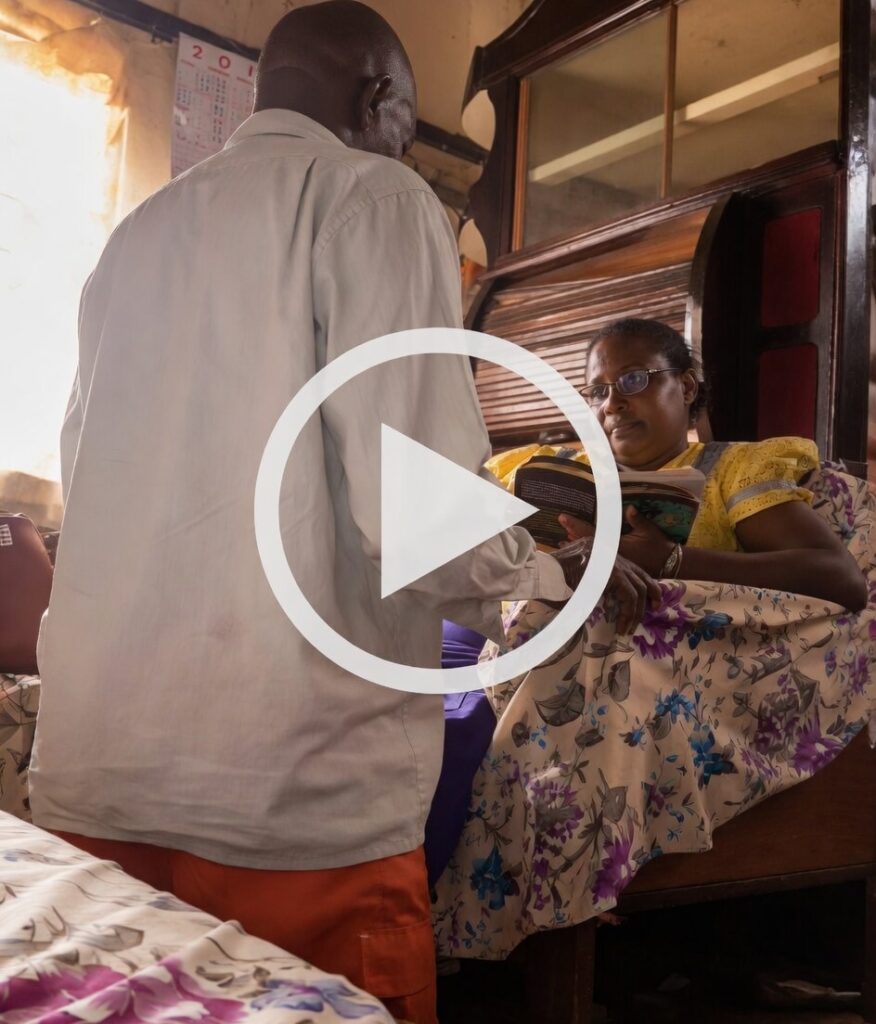
Kenyan Wives Are Secretly Choosing Pastors Over Husbands – The Jaw-Dropping Reason No One Dares Admit
In the bustling streets of Nairobi, the quiet villages of Kisumu, and the estates of Mombasa, a silent shift is happening behind closed doors. Kenyan men are waking up to empty beds and colder marriages, while their wives rush off to all-night prayer meetings, bake cakes for the church anniversary, and empty their M-Pesa accounts for the “Man of God.” It’s not gossip anymore. From heated barbershop debates to trending TikTok rants, the question is everywhere: Why do so many Kenyan women pour their hearts, time, and money into their pastors while treating their own husbands like distant roommates?
This isn’t about innocent churchgoing. It’s a full-blown loyalty swap that’s reshaping families, emptying wallets, and leaving husbands wondering when they lost the throne in their own homes.
The Emotional Thirst No Husband Is Quenching
Kenyan women today carry the weight of the world—raising kids, hustling side gigs, dodging economic chaos—yet many feel emotionally invisible at home. Husbands come home tired, glued to screens, or buried in “provider mode,” barking orders instead of offering a listening ear. Enter the pastor: warm voice on the pulpit, personal WhatsApp prayers at midnight, and words that make a woman feel seen, valued, and spiritually alive.
He doesn’t just preach; he connects. When a wife whispers about infertility, a cheating suspicion, or crushing debt, the pastor leans in with anointed oil and prophetic promises. The husband? “Pray harder and cook better.” No wonder she lights up after a “deliverance session” but shuts down the minute she walks through the front door. Pastors have mastered the art of emotional availability in a culture where many men see feelings as weakness.
Pastors Have Become the New Alpha in a Beta World
Flip through any Kenyan church livestream and you’ll see it: the man on stage commands respect with a single raised hand. He’s dressed sharp, speaks with fire, and carries the aura of divine authority. In a country where traditional manhood is under pressure—unemployment, side hustles, and the quiet erosion of respect—many husbands feel ordinary. The pastor? He’s extraordinary by design.
Women don’t just attend; they serve. They volunteer as ushers, organize women’s conferences, and defend their pastor fiercely on social media. Why? Because he represents power, purpose, and protection in ways their husbands stopped providing years ago. It’s not blind faith. It’s biology and culture colliding: women are wired to follow strong, decisive leadership. When the home lacks it, the altar fills the gap.
The Seed-Sowing Trap That Husbands Can’t Compete With
Prosperity preaching has turned church into a spiritual investment bank. “Sow KSh 10,000 today and unlock your miracle tomorrow.” For women battling barrenness, business failure, or marital strife, that promise is pure gold. They’ll sell land, skip school fees, or redirect rent money into the offering basket—while their husbands scrape by paying bills.
Real stories flood Kenyan Facebook groups: the wife who funded a pastor’s new SUV only to watch her own family eat ugali without meat. Or the mother who missed her daughter’s exam results because she was at a “breakthrough night.” Pastors don’t ask for accountability; they offer hope wrapped in Scripture. Husbands offer reality checks. Hope wins every time.
Modern Kenya Made This Inevitable
Urban migration, social media, and the explosion of charismatic churches created the perfect storm. A generation of women raised on “submit to your husband” sermons now hears the same line from a man they actually admire. Meanwhile, husbands scroll past church posts, too busy chasing the next deal to notice their wives’ growing attachment.
This isn’t harmless devotion. It’s fracturing homes, spiking emotional affairs disguised as “counseling,” and turning pastors into de facto heads of households. Some wives now consult their pastor before major family decisions—buying property, disciplining kids, even intimacy.
The Brutal Truth Kenyan Families Must Face
This loyalty flip didn’t happen because women are weak or pastors are saints. It happened because too many Kenyan men quietly surrendered the spiritual steering wheel and expected their wives to stay in the passenger seat forever. The church didn’t steal these women; the husbands handed them over.
If Kenyan men want their wives back, the mirror is waiting. Step up as the spiritual leader God designed you to be. Pray with her. Listen without fixing. Lead family altars instead of leaving them to Sunday mornings. Demand that churches focus on building strong marriages, not dependent followers.
Kenyan women, it’s time to ask: Is the man on the pulpit really closer to God than the one sharing your bed? The same “Daddy” who receives your seeds might be building his empire on your exhaustion.
The stakes are higher than ever—divorces rising, kids caught in the crossfire, and a generation watching their mothers choose the church over the home. This isn’t just a marriage crisis. It’s a quiet cultural earthquake shaking Kenya from the pulpit to the living room. And unless men reclaim their place and women redirect their devotion, the aftershocks will only get stronger.