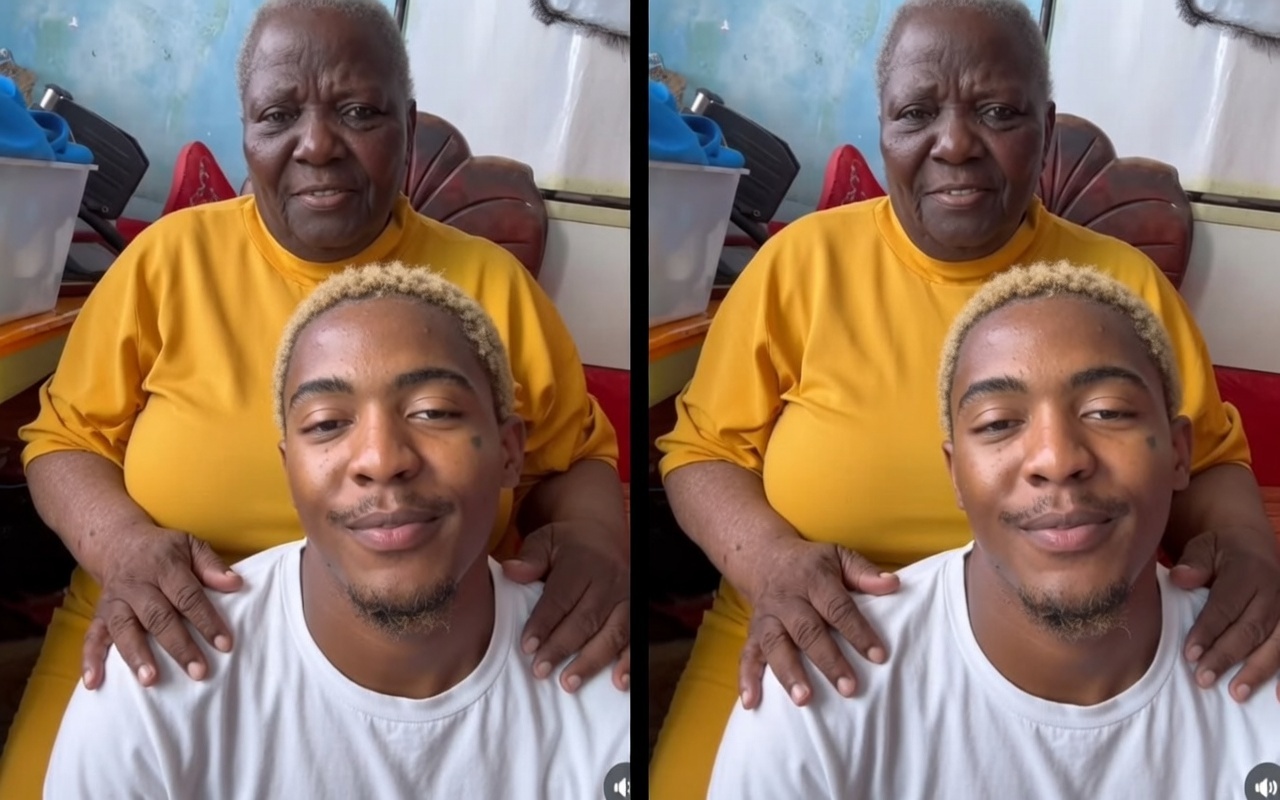
RUSSIAN MAN PICKING UP RANDOM KENYAN LADIES FOR SOME VIBE

Why Some Kenyan Women Prefer White Men: Understanding the Trends and Misconceptions

In recent years, conversations on social media have sparked debates about why some Kenyan women appear to prefer white men in relationships. While the topic can easily become emotional or controversial, it is important to approach it with nuance, respect, and an understanding of social dynamics. The reality is more complex than stereotypes suggest.

Globalization and Exposure to Different Cultures

Kenya is more globally connected than ever before. Through tourism, international education, remote work, and social media platforms like Instagram and TikTok, many Kenyan women interact with people from diverse backgrounds. Increased exposure naturally leads to cross-cultural relationships.

With Kenya being a major tourist destination — especially in coastal towns like Mombasa, Diani, and Malindi — interactions between locals and foreigners are common. Over time, some of these interactions develop into friendships, business partnerships, or romantic relationships.

Economic Perceptions and Stability

One factor often discussed openly is economic opportunity. Fair or not, there is a widespread perception that foreign men — particularly from Europe or North America — may offer financial stability. In a country where youth unemployment and economic pressure are real challenges, financial security can influence dating choices.

However, it is important to note that relationships based solely on economic expectations rarely succeed long term. Many cross-cultural couples build genuine partnerships rooted in shared values rather than finances.

Media Influence and Beauty Standards

Western media has played a significant role in shaping global beauty standards and lifestyle aspirations. Movies, television shows, and social media often portray interracial relationships in glamorous settings. Over time, this exposure can influence preferences, consciously or subconsciously.

That said, attraction is highly personal. Just as some Kenyan women may prefer white men, others prefer Kenyan men, African men from other countries, or partners from completely different backgrounds.

Curiosity and Cultural Exchange

For many individuals, attraction to someone from a different culture is about curiosity and new experiences. Intercultural relationships offer opportunities to learn new languages, travel, and experience different traditions. In today’s modern world, such diversity is increasingly embraced rather than questioned.

Social Media Amplification

Social media can create the illusion that a trend is bigger than it actually is. A few viral videos or publicized relationships can shape public perception, even if they represent a small percentage of the population. In reality, the majority of Kenyan women date Kenyan men.

Online platforms also amplify controversial narratives because they generate engagement. This can make the topic appear more widespread than it truly is.

Personal Choice and Individual Preferences

At the end of the day, relationships are deeply personal decisions. Attraction is influenced by personality, shared values, emotional connection, and life goals — not just race or nationality.

It is also important to avoid generalizations. Kenyan women are not a single, uniform group with identical preferences. Just like anywhere else in the world, individuals have different tastes and priorities.

Moving Beyond Stereotypes

Conversations about dating preferences should avoid promoting division or reinforcing stereotypes. Instead of framing the issue as competition or obsession, it may be more productive to focus on:

  • Building healthy relationships
  • Encouraging economic empowerment
  • Promoting cultural understanding
  • Respecting individual choices

Healthy relationships are built on mutual respect, communication, and shared goals — regardless of race or nationality.

Final Thoughts

The idea that “Kenyan ladies are obsessed with white men” is often an oversimplification. While some women may prefer partners from different cultural backgrounds, the reasons are varied and deeply personal.

In a globalized society, intercultural relationships are becoming more common worldwide. Rather than viewing this trend through a lens of controversy, it may be more helpful to understand it as part of Kenya’s growing connection to the world.


OLD WOMAN DATING A YOUNGER GIRL SPARKS A CONVERSATION

Why Some Older Women Are Dating Younger Men Today

In recent years, more people have noticed a growing trend: older women choosing to date younger men. While this may surprise some, it reflects changing social attitudes, evolving gender roles, and greater personal freedom in modern relationships.

Let’s explore some of the reasons behind this shift in a respectful and balanced way.


1. Changing Social Norms

In the past, relationships often followed traditional patterns — typically with older men and younger women. However, society has evolved. Today, adults are more open to forming relationships based on compatibility rather than age expectations.

As stigma decreases, more older women feel comfortable pursuing relationships that genuinely make them happy, regardless of age differences.


2. Increased Confidence and Independence

Many women today are financially independent, emotionally mature, and confident in their identities. With careers, life experience, and personal growth behind them, they may feel less pressure to follow societal expectations.

This independence allows them to prioritize connection, chemistry, and shared interests over conventional age norms.


3. Shared Energy and Lifestyle Compatibility

Some older women report that younger partners bring enthusiasm, fresh perspectives, and active lifestyles that align with their own goals. Age does not automatically define maturity or compatibility. In many cases, shared values and outlook matter far more than birth year.

Likewise, younger men may appreciate the life experience, stability, and emotional clarity that older partners bring.


4. Emotional Maturity and Clear Communication

Older adults often have a clearer understanding of what they want in a relationship. They may communicate expectations more directly and handle conflict more calmly. This level of maturity can create strong foundations for meaningful partnerships.

For younger men who value honesty and emotional intelligence, this can be especially appealing.


5. Reduced Focus on Social Pressure

Modern dating culture increasingly emphasizes personal happiness over public approval. Many people are less concerned about what others think and more focused on finding genuine companionship.

As a result, age-gap relationships — in either direction — are becoming more visible and normalized.


6. Media and Cultural Influence

Movies, television, and social media have also contributed to changing perceptions. Positive portrayals of confident, successful older women in relationships with younger men have helped shift public opinion and reduce stereotypes.

Visibility often leads to acceptance.


The Bigger Picture

It’s important to remember that relationships are personal choices between consenting adults. Age differences alone do not determine the success or failure of a partnership. Respect, communication, shared goals, and mutual understanding matter far more.

While age-gap relationships may still spark discussion, they are part of a broader trend toward greater freedom in how people define love and companionship.

As society continues to evolve, so do the ways people connect — proving that meaningful relationships can form at any stage of life.

ESTER MUSILA AND GUARDIAN ANGEL UNITE KENYANS

Why Do People Keep Talking Negatively About Esther Musila and Guardian Angel’s Relationship?

Public relationships often attract attention — but when a couple challenges social expectations, the spotlight becomes even brighter. That has been the case with Esther Musila and Guardian Angel. Over time, their relationship has sparked debate, criticism, admiration, and endless online commentary. But why does it continue to trigger so much negativity?

1. The Age Gap Factor

One of the biggest reasons people keep talking is the noticeable age difference between them. In many societies, relationships where the woman is significantly older than the man still face stigma. While older men dating younger women is often normalized, the reverse tends to raise eyebrows.

This double standard fuels gossip and judgment. For some critics, the age gap alone becomes enough reason to question the authenticity of the relationship — even without knowing the couple personally.

2. Challenging Traditional Expectations

In many African communities, cultural norms strongly influence perceptions of relationships and marriage. People often expect couples to fit certain patterns: similar age, conventional gender roles, and family expectations.

When a relationship doesn’t align with those expectations, it becomes a topic of discussion. Esther Musila and Guardian Angel’s union challenges traditional thinking, and for some observers, that discomfort turns into criticism.

3. Celebrity Spotlight and Public Scrutiny

Guardian Angel is a well-known gospel artist, and Esther Musila is also a public figure. When public personalities fall in love, their relationship becomes “public property” in the eyes of social media users.

Every photo, interview, or public appearance becomes content for online commentary. Unfortunately, social media thrives on controversy. Negative opinions often get more engagement than positive ones, which keeps the conversation — and criticism — alive.

4. Online Culture and Trolling

Social media has made it easier for people to share opinions instantly, often without accountability. Some users post negative comments for attention, entertainment, or simply to go viral.

In many cases, the criticism may have less to do with the couple and more to do with online culture itself — where controversy spreads faster than support.

5. Assumptions and Speculation

Whenever a relationship doesn’t follow the “usual script,” people tend to speculate. Some may question motives, finances, or intentions without evidence. Assumptions quickly turn into narratives, and narratives turn into repeated talking points.

However, outsiders rarely know the full story of any relationship. What people see publicly is only a fraction of the reality.

6. Gender Double Standards

Society often judges women more harshly than men in romantic relationships. An older woman dating a younger man may face labels that would not be applied if the roles were reversed. These ingrained biases contribute heavily to the negative discussions.

7. The Power of Visibility

The couple has chosen not to hide their relationship. By appearing together confidently and speaking openly, they have kept the narrative visible. While visibility promotes acceptance for some, it can also intensify criticism from those who disagree.


A Broader Reflection

The ongoing conversation around Esther Musila and Guardian Angel highlights something larger than just one couple. It reveals how society reacts to relationships that challenge norms. It also shows how social media amplifies opinions — both supportive and critical.

At the end of the day, relationships are personal. What works for two consenting adults is ultimately their decision. Public debate may continue, but long-term happiness and mutual respect are what truly define a partnership — not online commentary.

Whether people approve or not, their story has sparked important conversations about love, age, culture, and acceptance in modern society.

HON. RONALD KARAURI UNITING KENYANS

WATCH IT HERE

Understanding the Public Dispute Between Hon. Ronald Karauri and Edgar Obare

In Kenya’s fast-evolving digital landscape, public disagreements between political leaders and online commentators are becoming increasingly common. One recent situation that attracted significant public attention involved Hon. Ronald Karauri and blogger Edgar Obare. The matter quickly gained traction online, sparking debate about transparency, accountability, and the power of digital platforms in shaping public opinion.

How the Disagreement Became Public

The dispute unfolded largely on social media, where both public figures have active audiences. Edgar Obare, known for his investigative-style blogging and commentary on trending issues, reportedly shared information that touched on matters related to Hon. Ronald Karauri. As conversations spread online, reactions ranged from support to criticism on both sides.

In today’s digital age, information moves rapidly. A single post can spark nationwide discussion within hours. This dynamic played a significant role in amplifying the situation, turning what might have been a private disagreement into a widely discussed public issue.

The Role of Digital Media in Kenya

Kenya’s digital space has grown significantly over the past decade. Bloggers and influencers now play a key role in shaping conversations around politics, business, and social issues. Edgar Obare has built a following by discussing trending topics and highlighting matters of public interest.

On the other hand, public officials like Hon. Ronald Karauri operate under a different level of scrutiny. As elected leaders, they are accountable to constituents and often find themselves responding to claims, questions, or online narratives that affect their reputation.

This clash highlights the delicate balance between freedom of expression and responsible reporting.

Public Accountability vs. Reputation Protection

The disagreement raised important questions:

  • How should bloggers handle sensitive information?
  • What rights do public officials have when responding to online allegations?
  • Where is the line between public interest and personal privacy?

In Kenya, defamation laws and media regulations exist to protect individuals from false or harmful claims. At the same time, freedom of speech remains a constitutional right. Navigating these two principles can sometimes create tension, especially when conversations unfold in the public eye.

Lessons From the Situation

While online disputes can be polarizing, they also offer valuable lessons:

  1. Digital influence carries responsibility.
  2. Public leaders must manage communication strategically.
  3. Audiences should verify information before forming conclusions.
  4. Online platforms amplify narratives quickly, sometimes before facts are fully established.

Final Thoughts

The situation involving Hon. Ronald Karauri and Edgar Obare reflects a broader shift in how public discourse happens in Kenya. Social media is no longer just for entertainment—it is a powerful tool for accountability, storytelling, and influence.

As Kenya’s digital ecosystem continues to grow, both public officials and online commentators will need to navigate disagreements with professionalism, transparency, and respect for the law.

AZIAD NASENYA BROKE AND DESPERATE? FIND OUT

When writing about a real public figure, especially on sensitive topics like finances, it’s important to avoid spreading unverified claims or presenting rumors as facts. As of publicly available information, there has been online speculation and discussion about financial struggles involving Kenyan influencer and media personality Azziad Nasenya, but claims about someone “going broke” should be handled carefully and responsibly.

Here is a balanced, neutral, and AdSense-friendly article that explains the situation without making defamatory statements:


Understanding the Financial Rumors Surrounding Azziad Nasenya

Azziad Nasenya, a Kenyan content creator, actress, and radio personality, rose to fame in 2020 after her viral TikTok dance video captured national and international attention. Since then, she has built a strong personal brand, landing endorsement deals, media roles, and business opportunities. However, like many public figures, she has recently found herself at the center of online discussions about alleged financial difficulties.

Where the “Went Broke” Narrative Started

The speculation surrounding Azziad’s finances began circulating on social media after claims emerged suggesting that she was struggling financially. Online platforms amplified the rumors, with users debating her lifestyle, brand endorsements, and spending habits. As is often the case with celebrities, public curiosity quickly turned into widespread assumptions.

However, it is important to note that social media speculation does not always reflect verified financial facts.

The Reality of Influencer Income

Influencer income can appear glamorous from the outside. Brand partnerships, event hosting, media appearances, and advertising deals can generate significant earnings. However, the industry is often unpredictable. Income may fluctuate depending on:

  • Brand contract renewals
  • Market trends
  • Public image shifts
  • Algorithm changes on social platforms
  • Economic conditions affecting advertising budgets

Many influencers also operate like small businesses, covering expenses such as management fees, production costs, staff salaries, marketing, travel, and lifestyle maintenance.

Financial Pressure and Public Perception

Public figures often face pressure to maintain a certain lifestyle. Luxury travel, designer outfits, and high-end experiences can become part of their brand identity. Maintaining that image can be costly and, in some cases, financially straining.

In Kenya’s fast-moving digital space, trends change quickly. Influencers who were highly visible one year may face reduced engagement the next. This shift can affect income streams significantly.

Lessons from the Conversation

Regardless of the accuracy of online rumors, the discussions highlight broader lessons about money management in the influencer economy:

  • Sudden fame does not guarantee long-term financial stability.
  • Diversifying income streams is essential.
  • Financial planning and professional advice are crucial for public figures.
  • Social media rarely shows the full picture of someone’s financial reality.

The Importance of Responsible Reporting

When discussing financial matters of public personalities, it is essential to rely on confirmed information rather than speculation. Claims about bankruptcy, debt, or financial hardship should come from credible statements, verified reports, or official disclosures.

As of now, any claims that Azziad Nasenya has “gone broke” remain part of online discussions rather than officially confirmed facts.


Final Thoughts

The conversation surrounding Azziad Nasenya’s alleged financial struggles reflects a broader reality about fame in the digital age. Success can be rapid, but sustainability requires strategy, discipline, and adaptability.

Until verified information is available, it is wise to approach such topics with caution and fairness. Public figures deserve responsible discussion just as much as private individuals do.