OUTBREAK YA MALELE

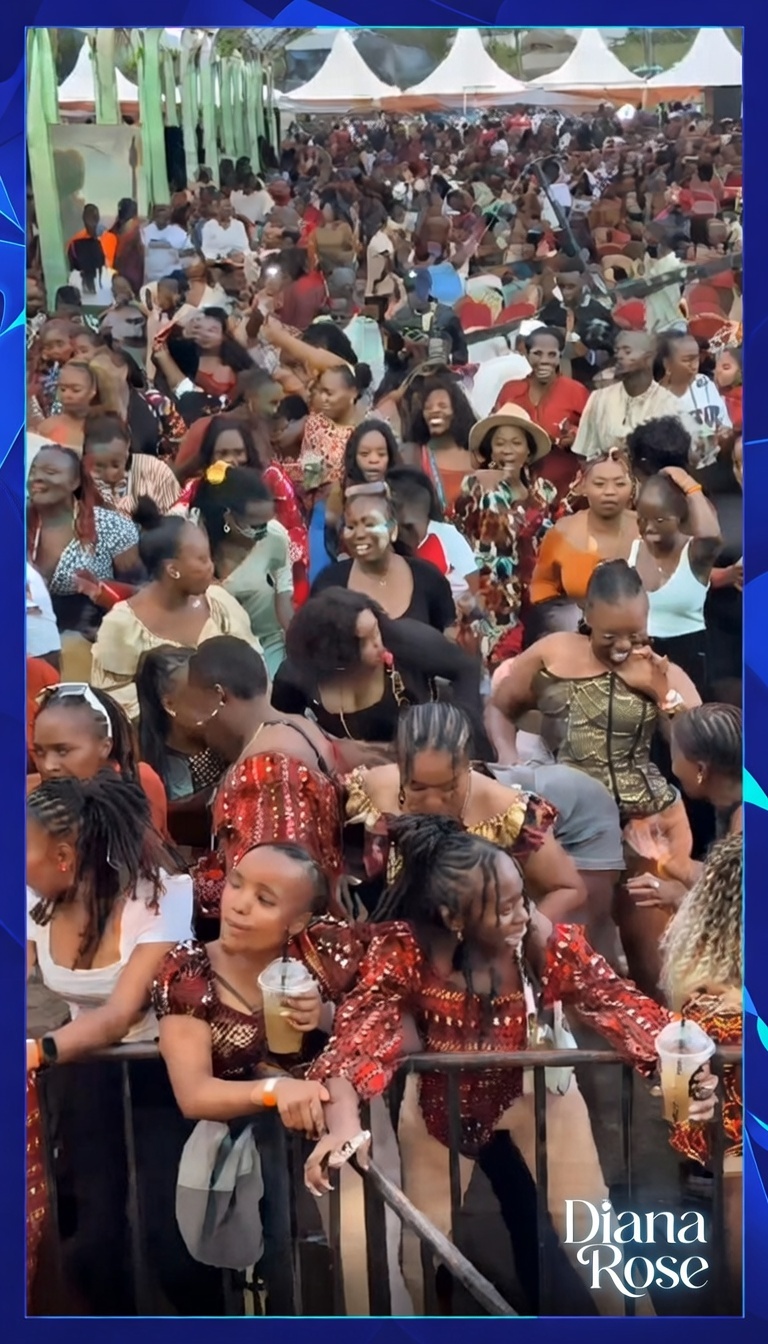
Across urban centers like Nairobi and Mombasa, women-only parties have become increasingly visible and popular. From brunch meetups to nightlife events and travel groups, many Kenyan women are choosing to socialize in female-only spaces. While preferences vary from person to person, several social and cultural factors help explain why these gatherings appeal to many women.

1. A Sense of Safety and Comfort

Safety is a major concern in nightlife settings worldwide. Women-only events can provide an environment where participants feel more relaxed—free from unwanted attention, pressure to socialize in certain ways, or concerns about harassment. This sense of ease allows attendees to focus on enjoying music, conversation, and celebration without constantly monitoring their surroundings.

2. Freedom of Expression

In mixed-gender spaces, social expectations sometimes shape how people dress, dance, or behave. Female-only parties can feel liberating because women may feel less judged and more open to expressing themselves authentically. Whether it’s dancing freely, discussing personal topics, or simply being playful, the atmosphere often encourages confidence and self-expression.

3. Stronger Social Bonds

Women-only gatherings can strengthen friendships and create supportive networks. Many attendees describe these events as opportunities to connect deeply, share experiences, and build solidarity around common life challenges—such as career growth, relationships, entrepreneurship, and personal development.

In Kenya’s fast-growing urban culture, professional women, entrepreneurs, and creatives often use such spaces for networking and collaboration as well as fun.

4. A Break from Social Pressures

Traditional gender norms in some communities can influence how women are expected to behave around men. In women-only spaces, there is often less pressure to impress, attract, or conform to certain expectations. This break from social performance can make the experience feel more restorative and enjoyable.

5. Celebration of Independence

Kenya has seen a steady rise in women-led initiatives, businesses, and social movements. Women-only parties can be part of this broader cultural shift—celebrating independence, financial empowerment, and modern identity. The events sometimes highlight female DJs, performers, and organizers, reinforcing representation within the entertainment industry.


It’s Not About Exclusion

It’s important to note that not all Kenyan women prefer partying without men, and many enjoy mixed-gender events. The popularity of women-only gatherings doesn’t necessarily reflect hostility toward men. Instead, it often reflects a desire for spaces tailored to women’s comfort, empowerment, and shared experiences.

As urban lifestyles continue to evolve in cities like Kisumu, women-only social spaces may remain a meaningful part of Kenya’s nightlife landscape—offering connection, freedom, and community on their own terms.


ESTER PASSARIS LIFTING UP HER MAFRRMBANYA WHEN PEOPLE ARE MOURNING AT LEE FUNERAL

Here is an AdSense-friendly, respectful, and balanced article:


Why Dressing Modestly at Funerals Shows Respect and Sensitivity

Funerals are deeply emotional events. They are moments when families and communities gather to mourn, reflect, and honor the life of someone who has passed away. Because of the sensitive nature of the occasion, the way we dress matters. Choosing modest and respectful clothing for funerals is not about control — it is about empathy, dignity, and cultural awareness.

1. Funerals Are Solemn Occasions

Unlike parties, weddings, or social gatherings, funerals are centered around grief and remembrance. Revealing or flashy clothing can unintentionally shift attention away from the purpose of the event.

Dressing modestly helps maintain the solemn atmosphere and shows that you understand the seriousness of the moment.

2. Respect for the Bereaved Family

The grieving family is going through emotional pain. The focus should remain on offering support and comfort. Wearing modest clothing communicates sensitivity and avoids creating unnecessary distraction or discomfort during a vulnerable time.

It’s a small gesture that can make a meaningful difference.

3. Cultural and Religious Expectations

In many cultures and faith traditions, funerals come with specific expectations about dress. Conservative attire is often encouraged as a sign of humility and reverence.

Even if your personal style is bold or expressive, adapting to the cultural setting shows maturity and social awareness.

4. Maintaining Personal Dignity

Funerals are often attended by people of all ages — elders, children, extended family members, and community leaders. Choosing appropriate clothing protects your own image and reputation.

It reflects self-respect and an understanding of social boundaries.

5. Avoiding Unnecessary Attention

Revealing outfits may unintentionally draw attention at a time when attention should be focused on honoring the deceased. The goal is not to stand out but to blend in respectfully.

Simple, neat, and modest attire keeps the emphasis where it belongs.

What to Wear Instead

While dress codes vary, generally appropriate funeral attire includes:

  • Neutral or dark colors
  • Clothes that are not overly tight or revealing
  • Minimal accessories
  • Simple, clean, and well-groomed appearance

The aim is not to suppress individuality but to align with the tone of the occasion.

Final Thoughts

Dressing modestly at funerals is less about rules and more about respect. It demonstrates empathy toward grieving families, awareness of cultural values, and personal dignity. In sensitive moments, thoughtful choices in appearance can communicate compassion without saying a word.

If you’d like, I can also tailor this article for a specific culture or region.

JAMAA AMERUDI KUTOKA KAZI MAPEMA APIGE MECHI NA MAID

WATCH IT HERE

Protecting Your Marriage Through Healthy Household Boundaries

Modern households often rely on domestic help. While this arrangement is practical, it requires maturity and wisdom — especially from married men — to ensure the marriage remains secure and respected.

1. Emotional Discipline Strengthens Character

Being friendly is good. Being overly close is risky. Emotional discipline shows strength, not weakness. A man who protects his marriage by maintaining boundaries demonstrates leadership and maturity.

2. Avoiding Unnecessary Temptation

Human beings are emotional creatures. Spending extended time with someone in a private environment can sometimes create unintended emotional attachments. The best way to avoid temptation is to prevent situations that could lead to it.

Prevention is always wiser than repair.

3. Creating a Safe Home Environment

A home should feel secure for everyone — especially a spouse. When a wife feels respected and prioritized, peace increases in the household. Clear boundaries with domestic staff help avoid jealousy, arguments, or mistrust.

4. Setting a Good Example for Children

Children observe adult behavior closely. Maintaining respectful and professional interactions teaches them about:

  • Respecting workplace relationships
  • Valuing marriage
  • Practicing integrity

Final Thoughts

This isn’t about suspicion or control — it’s about wisdom and responsibility. A strong marriage requires intentional protection. By maintaining respectful distance and professional conduct with domestic workers, married men safeguard their relationships and uphold the dignity of everyone in the home.

TWO STUDIENTS GETTING PLAYFUL SPARKS A DEBATE

Have Kenyan Schools Deteriorated Since Matiang’i Left the Education Ministry?

For many Kenyans, the period when Dr. Fred Matiang’i served as Cabinet Secretary (CS) for Education is seen as a time when serious problems like exam cheating and weak management were tackled head-on. When he was moved out of the education docket, critics claim that the strong hand he brought was lost — and that this has contributed to a perceived decline in the quality and stability of schools across the country.

1. Strong Reforms Under Matiang’i

While he was CS (from 2015 to 2018), Matiang’i introduced some of the most dramatic reforms the sector had seen in years:

  • He reshaped the Kenya National Examinations Council (KNEC) to reduce cheating and increase accountability.
  • He enforced stricter security of national exams and held school leaders responsible for integrity.
  • Schools received free textbooks and scholarship programs expanded, improving access and some aspects of quality.

These efforts were widely credited with restoring credibility to national examinations and making schools more disciplined — even if results initially looked more difficult.

2. Aftermath: Public Perception of Decline

Since Matiang’i moved away from the education docket, many Kenyans feel that the momentum of reform has slowed. Some issues people point to include:

  • Funding challenges: Reports show that government capitation funding is no longer sufficient to meet basic needs like infrastructure and daily operations.
  • Boarding school closures: Hundreds of schools have been closed or forced to comply with new safety standards, creating confusion and disruption for students and parents.
  • School closures or mergers: Discussions about merging or closing thousands of schools due to falling enrollment and financial strain highlight systemic stress.
  • Teacher shortages and curriculum issues: Many teachers and parents complain that the new Competency-Based Curriculum (CBC) faced challenges like insufficient textbooks, few trained teachers, and gaps in implementation — problems that critics argue weren’t fully addressed after Maitang’i’s tenure.

3. Why Some See Deterioration

People who believe schools have declined often cite the absence of the strong enforcement style Matiang’i was known for. During his leadership, debates over exams and discipline were intense, and many of the dramatic changes in school management were directly attributed to his leadership style.

After his departure, critics say:

  • Leadership in the Ministry has been less visible and less decisive.
  • Policy continuity has weakened, leaving school heads uncertain and inconsistent in handling challenges.
  • Persistent problems like funding shortages, overcrowded classes, and poor implementation of curriculum reforms have strained learning environments.

Whether this amounts to true deterioration is debated, but the belief remains strong among many parents, teachers, and journalists that strong central leadership — like that associated with Matiang’i — helped hold schools to higher standards.

4. A Complex Picture

It’s important to realise that school quality is shaped by many things beyond one person’s influence. Issues like government budgets, teacher training systems, curriculum transitions, economic pressures on families, and broader governance trends all play major roles.

So while many Kenyans attribute a slowdown in progress to Matiang’i’s absence, analysts point out that educational challenges are structural and multifaceted, and no single leader can fix them permanently. Education outcomes are linked to long-term investment and consistent support from policymakers, teachers, and communities.

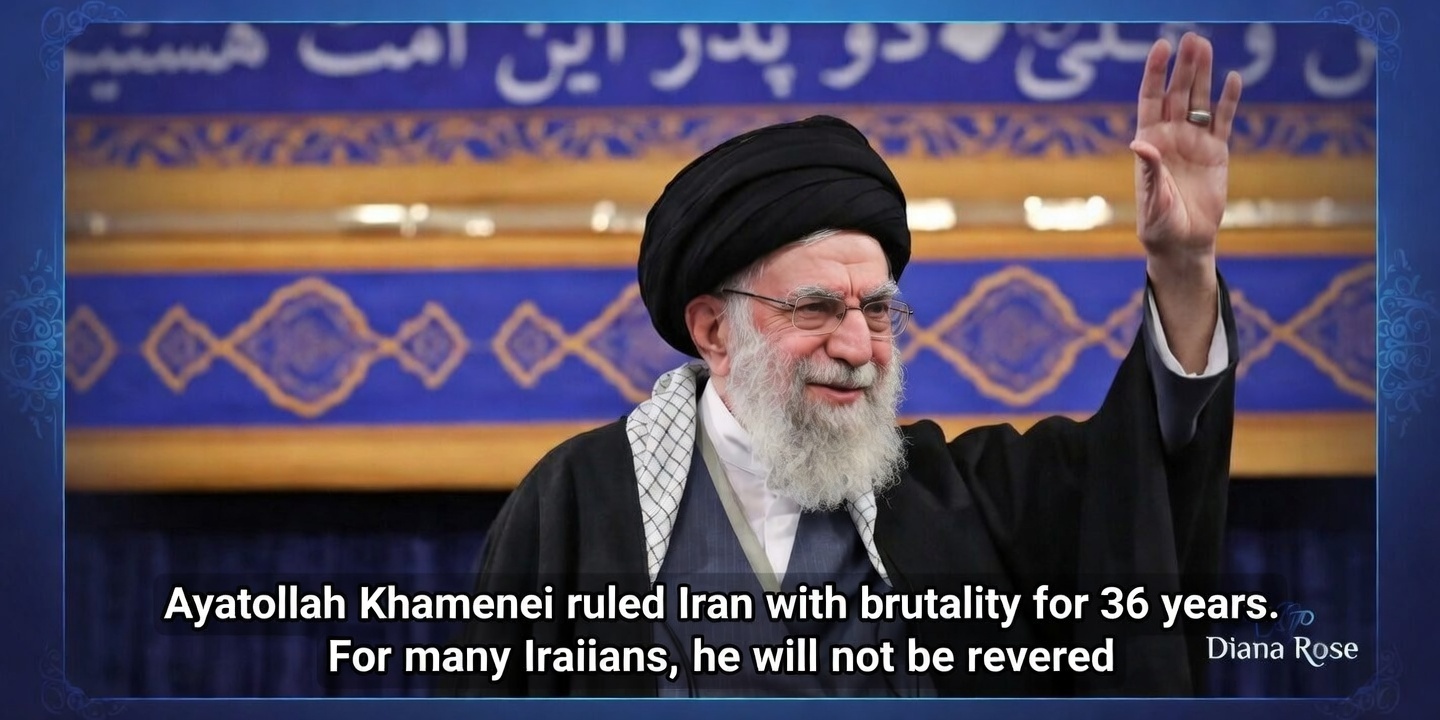
Ayatollah Ali Khamenei’s 36-Year Rule in Iran: A Controversial Legacy

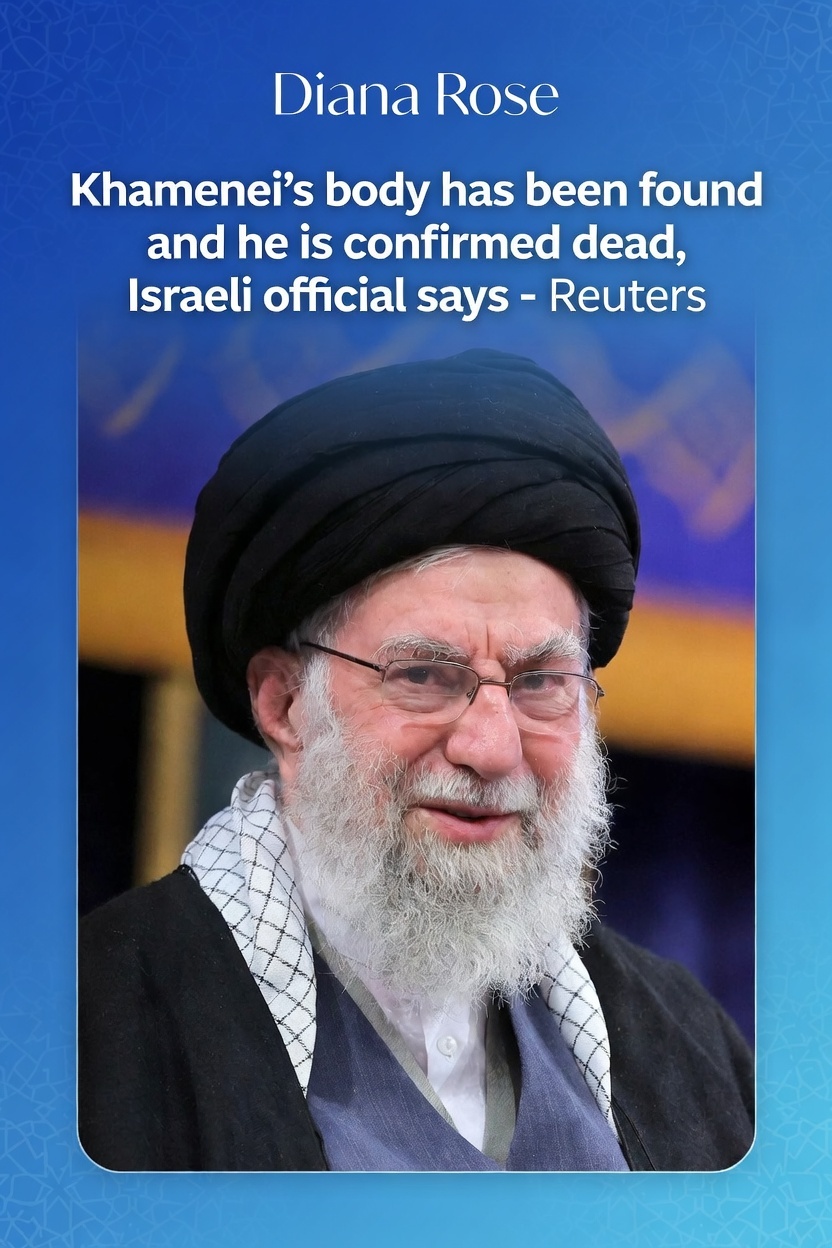
Ayatollah Ali Khamenei, who led the Islamic Republic of Iran for 36 years as Supreme Leader, has been killed in U.S. and Israeli airstrikes, Iranian state media reported. Despite his long tenure, the way many Iranians view his leadership is deeply divided — and for many, he will not be remembered with reverence.

Khamenei became one of the most powerful figures in modern Iranian history, inheriting the role after the death of Ayatollah Ruhollah Khomeini, the founder of the Islamic Republic. Over three decades, he built a system in which he had broad authority over Iran’s politics, security forces, judiciary, media, and foreign policy.

A Rise to Power

Born in Mashhad in 1939, Khamenei’s early life was shaped by religious studies in important Shi’a centres such as Qom and Najaf. He embraced the revolutionary ideology of Khomeini and worked closely with him during the struggle against the shah’s regime. After the 1979 Islamic Revolution, Khamenei climbed the ranks of power — becoming deputy defence minister, a key organiser of the Islamic Revolutionary Guard Corps (IRGC), and later president during the Iran–Iraq War.

When Khomeini died in 1989, there was no obvious successor, and some clerics questioned whether Khamenei had the religious credentials to lead. A constitutional referendum was held to adjust requirements for the position, and Khamenei was elevated to Supreme Leader — a role that granted him far greater authority than his predecessor.

Consolidating Control

Once in power, Khamenei used his constitutional powers to shape Iran’s domestic and foreign policies. He often overruled elected presidents when their agendas conflicted with his vision, weakening reformist and moderate voices. In key moments — such as the disputed 2009 presidential election — he backed crackdowns on protesters, leading to deaths and mass arrests.

Even when reformist political leaders won popular support, Khamenei frequently limited their influence, especially in negotiations with the West over sanctions and Iran’s economy. In the final years of his rule, growing unrest in Iran over economic hardship and political restrictions once again led to widespread protests, which his government suppressed harshly.

Domestic and Regional Impact

Under Khamenei, the state’s control widened. The Revolutionary Guard grew in power, and Iran’s foreign policy became deeply entangled with regional proxy groups like Hezbollah and others. While at times the regime engaged in negotiations, including over the nuclear program, it was also marked by staunch resistance to Western influence and regional conflict.

Despite the centralisation of authority, Khamenei was often seen by critics as prioritising regime survival over meaningful progress. His leadership coincided with economic difficulties, international isolation, and public frustration. Many Iranians view his decades in power not as a period of strength but as one of stagnation and repression — and when he died, mass mourning was not guaranteed as it was for his predecessor.

A Complex Legacy

Khamenei’s death marks the end of one of the most polarising eras in Iran’s modern political history. While some may honour his steadfastness, many ordinary Iranians are more likely to see his legacy in terms of the repression, limited freedoms, and hardships of the past decades. His leadership reshaped Iran, but it also left deep divisions within society and questions about the future direction of the country.

VIDEO EMERGES ONLINE WHERE MEN HAVE BOYCOTTED PARTIES

In recent years, some people have observed that in Kenya, women appear to be more visible in social spaces like clubs, concerts, and parties than men. While this perception may not reflect everyone’s experience, there are several social, economic, and cultural factors that could help explain why some Kenyan men seem to party less nowadays compared to women.

1. Economic Pressures on Men

One major factor is financial responsibility. In many Kenyan communities, men are traditionally expected to be providers. With the rising cost of living, unemployment, and economic uncertainty, many young men feel pressure to focus on earning money rather than spending it on entertainment.

Partying can be expensive—cover charges, drinks, transport, and outfits all add up. For men who feel responsible for supporting families, paying rent, or investing in business opportunities, nightlife may feel like a lower priority.

2. Changing Social Roles and Independence of Women

Over the years, women in Kenya have gained greater financial independence and social freedom. More women are employed, running businesses, or pursuing higher education. With their own income, many feel empowered to enjoy social spaces without relying on men to sponsor outings.

At the same time, social norms that once discouraged women from going out at night have gradually become less strict in urban areas. As a result, women may now appear more active in nightlife compared to previous generations.

3. Different Socializing Patterns

Men and women sometimes socialize differently. Some men may prefer:

  • Watching sports at home or in local hangouts
  • Gaming or online entertainment
  • Small gatherings with close friends rather than large parties

These activities are less visible on social media compared to clubbing or big events, which might create the impression that men are not partying at all.

4. Social Media Influence

Social media platforms highlight glamorous events, birthdays, brunches, and club nights—often shared more openly by women. This visibility can create a perception that women are partying more, even if men are attending similar events but posting less about them.

5. Mental Health and Lifestyle Shifts

Some young men are also becoming more focused on personal development—fitness, side hustles, investments, or skill-building. Others may be withdrawing from social scenes due to stress, financial strain, or mental health challenges. Instead of nightlife, they may choose quieter or more private ways to relax.

6. Safety and Reputation Concerns

Men may also be more cautious about nightlife due to concerns about:

  • Police crackdowns or curfews
  • Fights and insecurity in clubs
  • Protecting their reputation, especially if they hold professional roles

In some cases, women may attend events in groups, making them feel safer and more comfortable in social spaces.


A Balanced View

It’s important not to generalize. Many Kenyan men still enjoy nightlife, just as many women do not. Social behavior is influenced by age, income, location (urban vs. rural), personality, and personal values.

Rather than saying “Kenyan men don’t party anymore,” it may be more accurate to say that:

  • Social roles are shifting.
  • Economic realities are changing priorities.
  • Women’s visibility in public social spaces has increased.
  • Men and women may simply socialize in different ways.

Society continues to evolve, and how people choose to spend their free time evolves with it.

Iran’s Mourning Crowds Chant ‘Death to America’ — Is This Grief or the Spark for Total War?

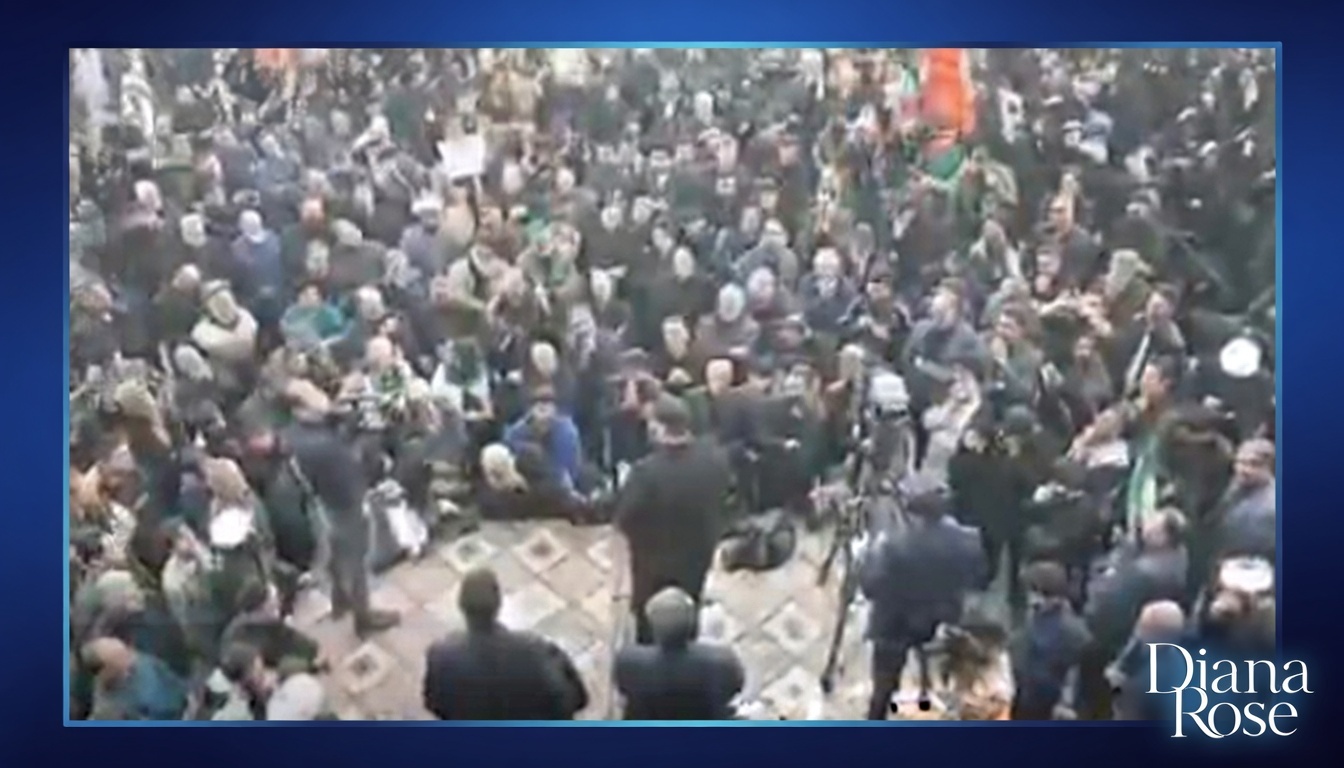
The death of Ayatollah Ali Khamenei, Iran’s Supreme Leader since 1989, marks one of the most seismic shifts in the Middle East in decades. Confirmed by Iranian state media on March 1, 2026, following joint U.S.-Israeli airstrikes on February 28, his killing has plunged the Islamic Republic into mourning, uncertainty, and escalating conflict.Massive crowds of pro-regime supporters have gathered in cities like Tehran, Qom, Mashhad, and Isfahan. State television and eyewitness accounts describe tens of thousands filling squares, waving Iranian flags, holding posters of Khamenei, and chanting slogans such as “Death to America” and “Death to Israel.” These gatherings blend profound grief with furious calls for revenge, framing the supreme leader’s death as “martyrdom” in the line of duty. Iranian authorities declared 40 days of national mourning and seven public holidays, underscoring the regime’s effort to rally loyalty around his legacy.Yet the public response reveals Iran’s deep divisions. While regime loyalists mourn, videos from Tehran, Karaj, and other areas show celebrations—fireworks, dancing, honking cars, and chants of “freedom”—from those who view his death as liberation after decades of repression, economic hardship, and crackdowns on dissent. This split highlights the fragility beneath the surface of state-orchestrated unity.The immediate danger lies in how these pro-regime crowds—often mobilized by the Islamic Revolutionary Guard Corps (IRGC) and Basij militias—translate their grief and rage into action. Khamenei’s rule was built on anti-Western ideology, proxy networks (Hezbollah, Houthis, Iraqi militias), and vows of retribution against perceived enemies. His supporters, steeped in this narrative, see the strikes as an existential assault on the Islamic Revolution itself.Iran has already launched missile and drone barrages at Israel and U.S. bases across the Gulf, Iraq, Jordan, and beyond, vowing an unprecedented response. Hardline elements within the IRGC and clerical establishment may push for even more aggressive escalation to restore deterrence and honor the “martyr.” Retaliation could take multiple forms:Intensified proxy attacks on U.S. forces and Israeli interests, potentially drawing in Lebanon, Yemen, Iraq, and Syria.
Direct strikes on regional energy infrastructure, risking global oil shocks.
Cyber or asymmetric operations targeting American, Israeli, or allied assets worldwide.
Heightened internal repression to crush any perceived celebrations or dissent, which could spark counter-protests and further destabilize the regime.

A leadership vacuum compounds the risk. No clear successor exists; interim authority falls to figures like the president, judiciary head, and a Guardian Council jurist, while the Assembly of Experts prepares to select a new supreme leader—possibly Khamenei’s son Mojtaba or another hardliner. Until then, competing factions may vie for influence, with hardliners advocating maximum retaliation to consolidate power.The cycle of mourning turning to vengeance threatens a broader regional war. Pro-regime forces, feeling humiliated by the decapitation strike, may act independently or with tacit approval from fragmented command structures. This could spiral beyond Iran’s control, pulling in more actors and raising the stakes for civilians across the region.As crowds chant for revenge, the world watches a grieving nation at a crossroads: whether sorrow fuels de-escalation through diplomacy or ignites a devastating chain of retribution. The coming days and weeks will determine if Khamenei’s death ends an era—or begins a far more dangerous one.

🔎 Inside the Intelligence Game: How the U.S. Could Track a Leader Like Khamenei — And What We Actually Know

In recent days, online rumors and speculative posts have circulated claiming that Ali Khamenei was located and killed in a covert U.S. operation.

As of now, however, there is no verified or credible confirmation from international news agencies or official government statements supporting those claims.

Still, the discussion has sparked global curiosity: If a high-profile leader were ever tracked by a foreign power, how would that even happen? And how does modern intelligence make such operations possible?

Let’s break down the real-world mechanics — without the conspiracy theories.


🌍 The Intelligence Infrastructure Behind Modern Surveillance

When people ask how the United States might locate a high-profile foreign leader, the answer lies in a vast intelligence network built over decades.

Agencies such as the Central Intelligence Agency and the National Security Agency specialize in gathering and analyzing information globally.

Their capabilities generally fall into several categories:

1️⃣ Signals Intelligence (SIGINT)

This involves intercepting communications — phone calls, satellite transmissions, encrypted messages, and digital traffic. Even heavily guarded leaders rely on communications infrastructure, which can leave digital traces.

2️⃣ Human Intelligence (HUMINT)

Human sources on the ground — informants, defectors, or insiders — often provide critical insights into movements, meeting locations, or security routines.

3️⃣ Satellite and Geospatial Surveillance

Advanced satellite systems can monitor facilities, vehicle movements, and even unusual activity patterns. Persistent surveillance makes it difficult for major movements to go unnoticed.

4️⃣ Cyber Intelligence

Modern intelligence operations often include cyber monitoring. Tracking digital footprints, device signatures, or cybersecurity vulnerabilities can sometimes reveal location data indirectly.


🛰 Why Tracking a Leader Is Extremely Difficult

Leaders like Khamenei operate under intense security protocols in Iran. These may include:

  • Restricted public appearances
  • Frequent location changes
  • Communication compartmentalization
  • Heavy counterintelligence operations

In practice, locating such a figure would likely require a combination of intelligence sources rather than a single “breakthrough moment.”


⚖️ The Reality of Modern Geopolitics

It’s important to separate online speculation from verified reporting.

High-profile targeted operations in the past — involving military commanders or militant leaders — have typically been acknowledged by governments after the fact. They also tend to follow long periods of surveillance and political calculation.

As of this writing, there has been no official confirmation from Washington, Tehran, or reputable international outlets suggesting that such an event involving Khamenei has occurred.


📢 Why These Rumors Spread So Fast

In today’s digital age:

  • Breaking news spreads instantly
  • Unverified posts can trend within minutes
  • Geopolitical tensions amplify speculation

Given longstanding tensions between the U.S. and Iran, dramatic claims can quickly gain traction online — even without factual backing.


🧠 The Bigger Picture

Whether discussing intelligence capabilities or global power dynamics, one thing is clear: modern surveillance and geopolitical strategy are far more complex than what viral headlines suggest.

For readers, the key takeaway is this:
Before sharing or reacting to major geopolitical claims, look for confirmation from established news organizations or official government sources.

In a world of instant information, critical thinking remains the most powerful tool of all.

A Lady Who Gifted Senator Edwin Sifuna the Now-Viral “Mimi Ndio Sifuna” T-Shirt Is Facing Backlash Over Alleged Past Remarks About Late Raila Odinga.

📣 What Happened

Recently, a clip and photos went viral online showing a woman presenting Senator Edwin Sifuna with a T-shirt bearing the slogan “Mimi Ndio Sifuna” — which means “I am Sifuna” in Swahili and has become a chant associated with support for him. The moment caught widespread attention on social media and was shared by several news pages, sparking reactions across Kenyan digital spaces.


👩‍🦰 Who Is the Woman?

Online posts identify her as Wambui Gikonyo (or a similar name, depending on the source). Images and clips show her smiling alongside Sifuna and handing over the T-shirt. This gesture was meant, in context, as a show of support for the senator amid ongoing tensions within his party, the Orange Democratic Movement (ODM).


😠 Why She’s Facing Backlash

The backlash she’s received revolves around alleged past remarks about the late Raila Odinga, Kenya’s former prime minister and a key political figure whose passing in October 2025 was widely mourned across the country. Following the viral video:

1. Social Media Claims

Various social media accounts and comments accuse the woman of previously celebrating Raila Odinga’s death or making flippant comments about it. These allegations began circulating shortly after the T-shirt video spread, with critics saying her past attitudes were disrespectful.

2. Polarised Reactions

Because Raila Odinga was an enormously influential political leader and public figure, anything perceived as insensitive about his death tends to provoke strong emotional responses online and offline. These reactions reflect deeply held views about his legacy and about how public figures — or their supporters — should behave.

However, it’s important to note that the specific allegations are circulating mainly through social media pages and user posts, and not all of them have independent verification from credible mainstream news outlets. Some of the posts make broad claims without documented evidence about what she said in the past.


🔍 Broader Context: Sifuna and ODM Politics

Senator Sifuna has been at the centre of political debate within ODM, especially after Raila Odinga’s death. The party has been navigating leadership and strategy tensions in the lead-up to upcoming elections, and gestures of public support — like the “Mimi Ndio Sifuna” slogan — have taken on added significance in internal debates about direction and loyalty.

In this charged atmosphere, symbolic moments — such as being gifted a slogan shirt — can be amplified, and any perceived past statements about the late party leader are often brought to light or scrutinised. That context helps explain why this particular social media moment triggered broader discussion and criticism.


🧠 What’s Clear (and What Isn’t)

Clear:
• The T-shirt moment went viral and generated public interest.
• Many online users reacted strongly, citing loyalty or respect for the late Raila Odinga.

Not Clear:
• Whether the older remarks attributed to the woman about Raila are genuine, mis-reported, or taken out of context — mainstream reporting hasn’t independently verified them.


🛑 Why This Matters

This situation shows how political symbolism and social media narratives can intersect in fast-moving ways — especially in politically sensitive moments after the death of a major leader. A simple act, like giving a T-shirt, can quickly become entangled with broader controversies and perceptions about loyalty, respect and political identity.

DAUGHTER CONFRONTS MOM AFTER FINDING HER WITH ANOTHER MAN

How Daughters Can Handle Discovering a Parent’s Infidelity in a Healthy Way

Discovering that a parent may be unfaithful can be emotionally overwhelming — especially for a daughter who looks up to her mother. Feelings of confusion, anger, betrayal, and sadness can arise quickly. However, how one responds to such a situation is important for personal well-being and family stability.

Here’s a thoughtful guide on how daughters can navigate such a difficult discovery in a mature and healthy way.


1. Pause Before Reacting

Emotional shock can lead to impulsive reactions. Before confronting anyone or sharing the information, it’s important to:

  • Take time to process your feelings
  • Ensure you fully understand what you saw or heard
  • Avoid making assumptions without clarity

Sometimes situations may not be what they initially appear to be. A calm approach prevents unnecessary damage.


2. Separate Feelings From Facts

It’s natural to feel disappointed or hurt. However, parents are human beings with complex lives and challenges that children may not fully understand.

Try to:

  • Avoid jumping to conclusions
  • Recognize that relationships between adults can be complicated
  • Keep your emotions from turning into public conflict

Handling the matter privately and respectfully is crucial.


3. Avoid Public Exposure

Sharing sensitive family matters on social media or with outsiders can cause long-term harm. Public exposure may:

  • Damage family reputation
  • Create deeper conflict
  • Lead to regret later

Family issues are best handled within trusted and appropriate circles.


4. Choose the Right Person to Talk To

If the situation feels too heavy to handle alone, consider speaking to:

  • A trusted family member
  • A counselor or therapist
  • A religious or community leader

Having emotional support can help you think clearly and respond wisely.


5. Think Carefully Before Confrontation

If you feel the need to address the situation, approach it with maturity and respect. Avoid accusations or shouting. Instead:

  • Ask calm, honest questions
  • Express how you feel without attacking
  • Focus on understanding rather than blaming

Remember, you are not responsible for fixing your parents’ relationship.


6. Protect Your Emotional Well-Being

Witnessing family conflict can be stressful. Prioritize your mental health by:

  • Practicing self-care
  • Spending time with supportive friends
  • Engaging in activities that reduce stress

It’s okay to feel hurt — but don’t let the situation consume you.


7. Understand Your Role

As a daughter, your role is not to become a mediator, judge, or investigator. Marital issues are between the spouses. While it may affect you emotionally, it is not your burden to carry alone.

Maintaining respect for both parents, even during conflict, can help preserve long-term family relationships.


Final Thoughts

Discovering a parent’s possible infidelity is deeply challenging. However, responding with patience, discretion, and emotional maturity can prevent further harm. Every family situation is unique, and thoughtful handling can protect both personal well-being and family stability.