YVONNE OKWARA AKIMEZEA SIFUNA MATE

Key Topics Covered in the Interview

  1. Internal Divisions Within ODM
    Sifuna spoke openly about ongoing tensions and differing views within the Orange Democratic Movement (ODM) following leadership changes after the death of long-time leader Raila Odinga. He reiterated that he remains a member of the party despite debates over his official role.
  2. His Position on Party Leadership and Membership
    When asked about reports that he might be removed from his position as ODM Secretary-General, Sifuna clarified that losing that role does not mean he leaves the party, and he has no intention of quitting ODM.
  3. Allegations About Rally Funding
    Sifuna also addressed questions about recent party rallies, saying that some events branded as ODM gatherings are not financed by the official party funds. He suggested there are parallel finances supporting certain activities, which raises questions about transparency.
  4. Leadership Transition and Constitutional Concerns
    He explained why he was not part of the meeting that installed Dr. Oburu Oginga as interim party leader, noting that he was abroad handling burial arrangements for Raila Odinga at that time. Sifuna also raised concerns about whether the process followed the party constitution.
  5. Broader Political Context
    Throughout the interview, Sifuna’s comments reflect broader debates within Kenyan opposition politics about unity, leadership succession, and political strategy ahead of the 2027 general election.

🧠 What the Interview Reflected

Sifuna’s loyalty to ODM even when disagreements exist

His insistence on procedural transparency and accountability

Recognition of diverse opinions within his party

Concerns about how party events are funded and managed

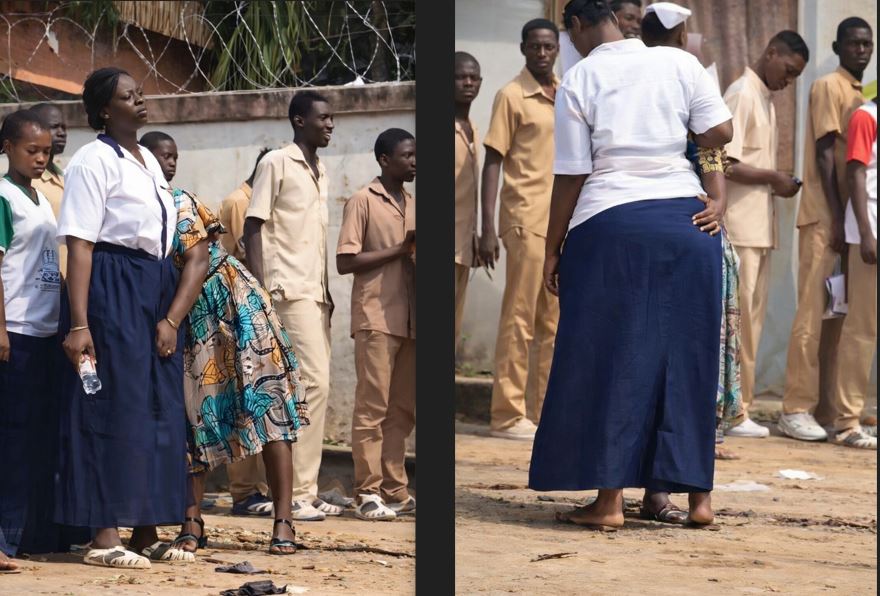
STUDENT SEARCHING GONE WRONG

How Security Guards Should Search Female Students Appropriately Without Compromising Security

Security screening in schools, colleges, and training institutions is essential for maintaining safety. However, how these searches are conducted matters just as much as why they are done. When female students are searched inappropriately or without clear procedures, it can cause distress, loss of trust, and serious ethical concerns.

This article explains how security guards can conduct searches professionally and respectfully, ensuring safety without violating dignity or personal boundaries.


Security and Dignity Are Not Opposites

Effective security does not require humiliation or discomfort. In fact, respectful procedures improve cooperation and compliance. Female students are more likely to feel safe and cooperate when searches are conducted with professionalism and transparency.

Good security balances:

  • Safety
  • Respect
  • Clear rules
  • Accountability

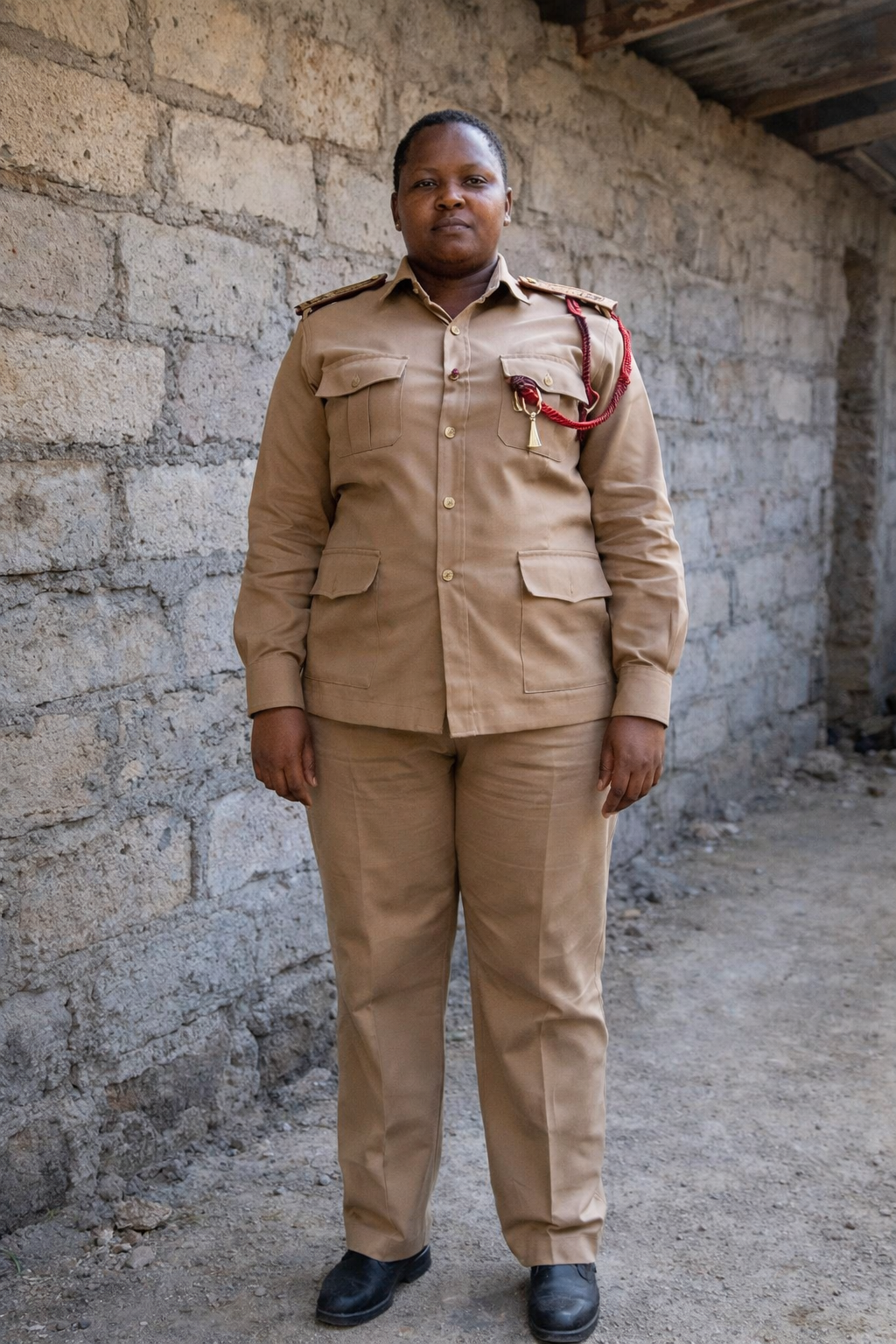
1. Searches Should Be Conducted by Female Security Personnel

As a basic standard:

  • Female students should only be searched by female guards
  • Male guards should never conduct physical searches on female students

This protects both students and guards and aligns with best practices in safeguarding and child protection.


2. Use Non-Intrusive Search Methods First

Whenever possible, security checks should rely on:

  • Walk-through metal detectors
  • Handheld scanners
  • Bag inspections done in the student’s presence

Physical contact should never be the first option. Technology and visual checks often provide sufficient security without personal intrusion.


3. Clear Communication Before Any Search

Students should always be informed:

  • Why a search is necessary
  • What the search will involve
  • That it follows school or institutional policy

Simple, calm explanations reduce fear and confusion. No student should be surprised or intimidated during a security check.


4. Maintain Professional Boundaries at All Times

If a physical check is unavoidable:

  • It must be brief and professional
  • Conducted in an open, observable area
  • Never involve inappropriate touching or comments
  • Never focus on private areas

Security guards must remain neutral, respectful, and strictly procedural.


5. Privacy Without Isolation

While searches should respect privacy:

  • They should not occur in isolated or hidden spaces
  • Another authorized female staff member should be nearby
  • Visibility helps prevent misunderstandings and misconduct

This protects both the student and the guard.


6. Zero Tolerance for Abuse or Exploitation

Any form of:

  • Harassment
  • Unnecessary physical contact
  • Intimidation
  • Abuse of authority

Is unacceptable and must be reported immediately.

Institutions should have:

  • Clear reporting channels
  • Anonymous complaint options
  • Swift disciplinary processes

7. Training Is Essential

Security guards should receive regular training on:

  • Gender-sensitive screening
  • Child and student safeguarding
  • Professional conduct
  • Legal and ethical boundaries

Well-trained guards provide better security and create safer environments for everyone.


Why This Matters

Improper searches can:

  • Cause emotional harm
  • Break trust between students and institutions
  • Expose schools to legal risk
  • Undermine the purpose of security itself

Proper conduct builds confidence, cooperation, and long-term safety.


Conclusion

Security exists to protect—not to intimidate or violate dignity. When female students are searched respectfully, professionally, and transparently, institutions achieve both safety and trust.

Appropriate procedures are not a weakness in security. They are a sign of a strong, ethical, and responsible system.

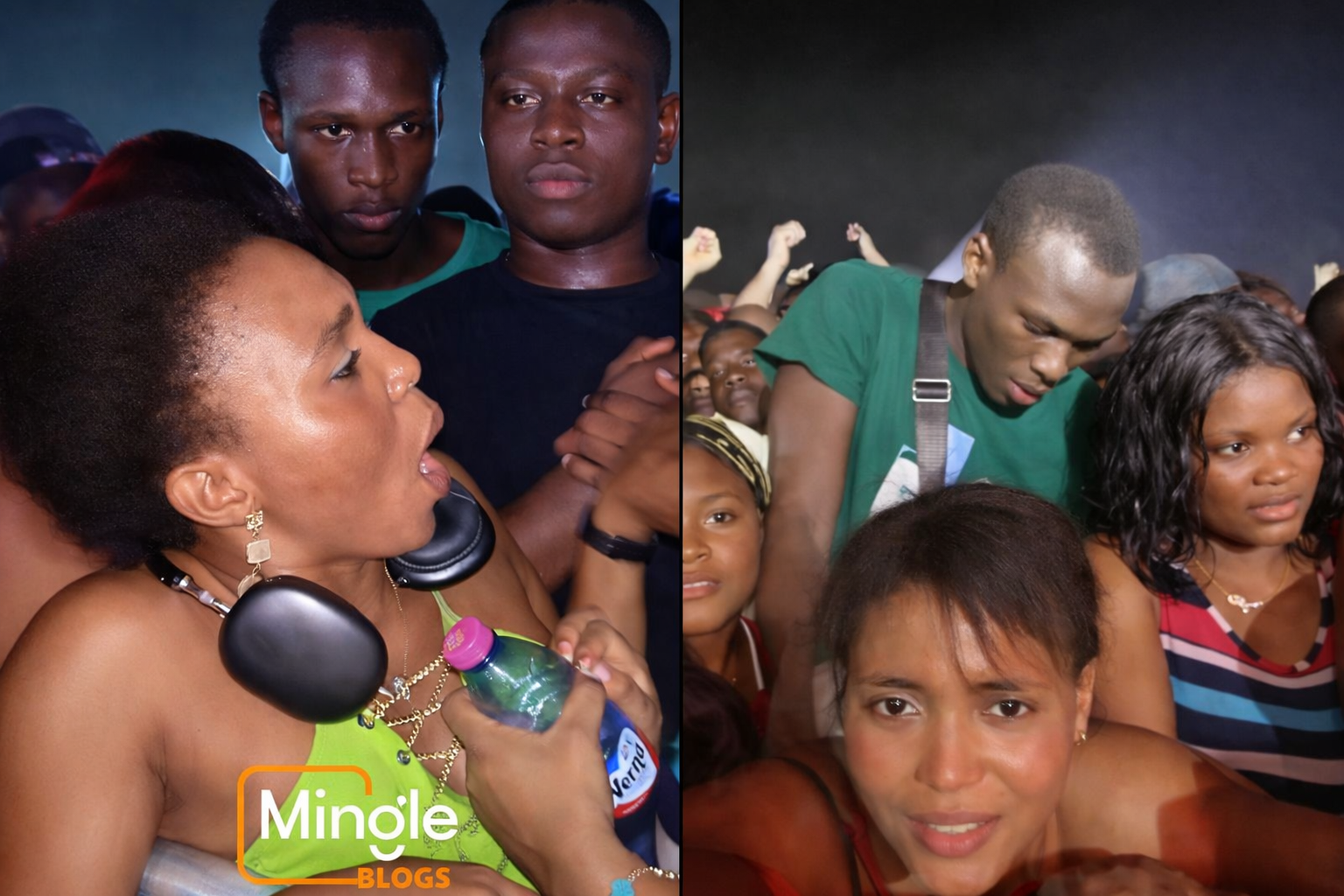
HAWA WALIKULANA KWA EVENT YA SSARU BANA

PART 1

PART 2

Respecting Personal Space at Crowded Events: A Guide to Appropriate Public Behavior

Crowded events such as concerts, festivals, rallies, nightclubs, and public celebrations bring people together to enjoy music, culture, and shared experiences. However, when personal boundaries are ignored, these spaces can quickly become uncomfortable or even unsafe for others.

Maintaining respect, self-control, and awareness in public settings is essential—especially in crowded environments where physical proximity is unavoidable.

This article explains how people should conduct themselves during crowded events, with a strong emphasis on avoiding unwanted physical contact, inappropriate behavior, and actions that violate others’ comfort or consent.

Why Personal Boundaries Matter in Public Spaces

Everyone has the right to feel safe and respected in public—regardless of gender, age, or appearance. In crowded environments:

People cannot easily move away

Unwanted contact feels more intense

Power dynamics and fear can prevent victims from speaking up

What may feel “harmless” to one person can be deeply distressing or threatening to another.

Physical Proximity Is Not Permission

Crowds can bring people physically close—but closeness does not equal consent.

It is never acceptable to:

Touch someone’s body without permission

Grab, squeeze, or brush against someone intentionally

Engage in sexual behavior in public spaces

Use crowds as an excuse for inappropriate contact

Public spaces are shared environments, not private settings.

Clear Guidelines for Appropriate Conduct

  1. Keep Your Hands to Yourself

Accidental contact can happen in crowds—but intentional touching is not acceptable. Be mindful of where your hands are at all times.

If you need to move through a crowd:

Use verbal cues like “excuse me”

Keep hands visible and neutral

Avoid touching bodies unnecessarily

  1. Sexual Behavior Has No Place in Public Crowds

Engaging in sexual activity or suggestive behavior in public spaces:

Makes others uncomfortable

Can traumatize bystanders

May be illegal depending on local laws

Public events are not private venues. Respect the shared nature of the space.

  1. Alcohol Is Not an Excuse

Substances do not remove responsibility.

Being intoxicated does not justify:

Poor judgment

Boundary violations

Aggressive or sexual behavior

If alcohol or drugs affect your self-control, it is your responsibility to step away or leave the event.

  1. Respect All Genders Equally

Unwanted touching affects people of all genders. Respect is not selective.

Do not assume interest based on appearance or clothing

Do not target people because they seem vulnerable or distracted

Do not treat anyone as an object

Everyone deserves dignity.

  1. If You’re Unsure—Don’t Do It

A simple rule:

If you wouldn’t do it in front of family, security, or law enforcement—don’t do it.

When in doubt, choose distance and respect.

If You Witness Inappropriate Behavior

If you see someone being harassed or touched without consent:

Alert event staff or security

Check in with the affected person if it’s safe

Avoid escalating the situation aggressively

Creating safer spaces is a shared responsibility.

Creating Enjoyable Events for Everyone

Crowded events should be remembered for:

Music

Celebration

Community

Joy

Not fear, discomfort, or violation.

When individuals respect boundaries, everyone benefits—from organizers and performers to attendees and families.

Final Thought

Public spaces belong to everyone. Enjoyment should never come at the cost of someone else’s comfort or safety.

By practicing awareness, self-control, and respect, we help create environments where everyone can participate freely and safely.
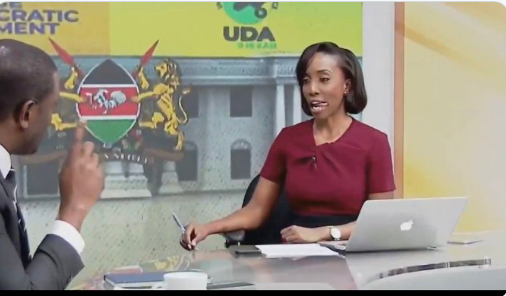

KANYARI INTRODUCES HIS CHILDREN TO THEIR NEW MOM, MARION

IN THIS VIDEO, KANYARI INTRODUCES HIS CHILDREN TO THEIR NEW MOTHER IN LAW MARION NAIPEI.

IN THIS SECOND VIDEO, KANYARI’S WIFE IS SEEN TYING HIS SHOES FOR HIM

IN THIS THIRD VIDEO, KANYARI IS SEEN GETTING COZY WITH SKY AFTER SKY HAD ACCEPTED MARION NAIPEI AS HER NEW DAD.

In this last video, Kanyari says he has already watched Marion’s video.