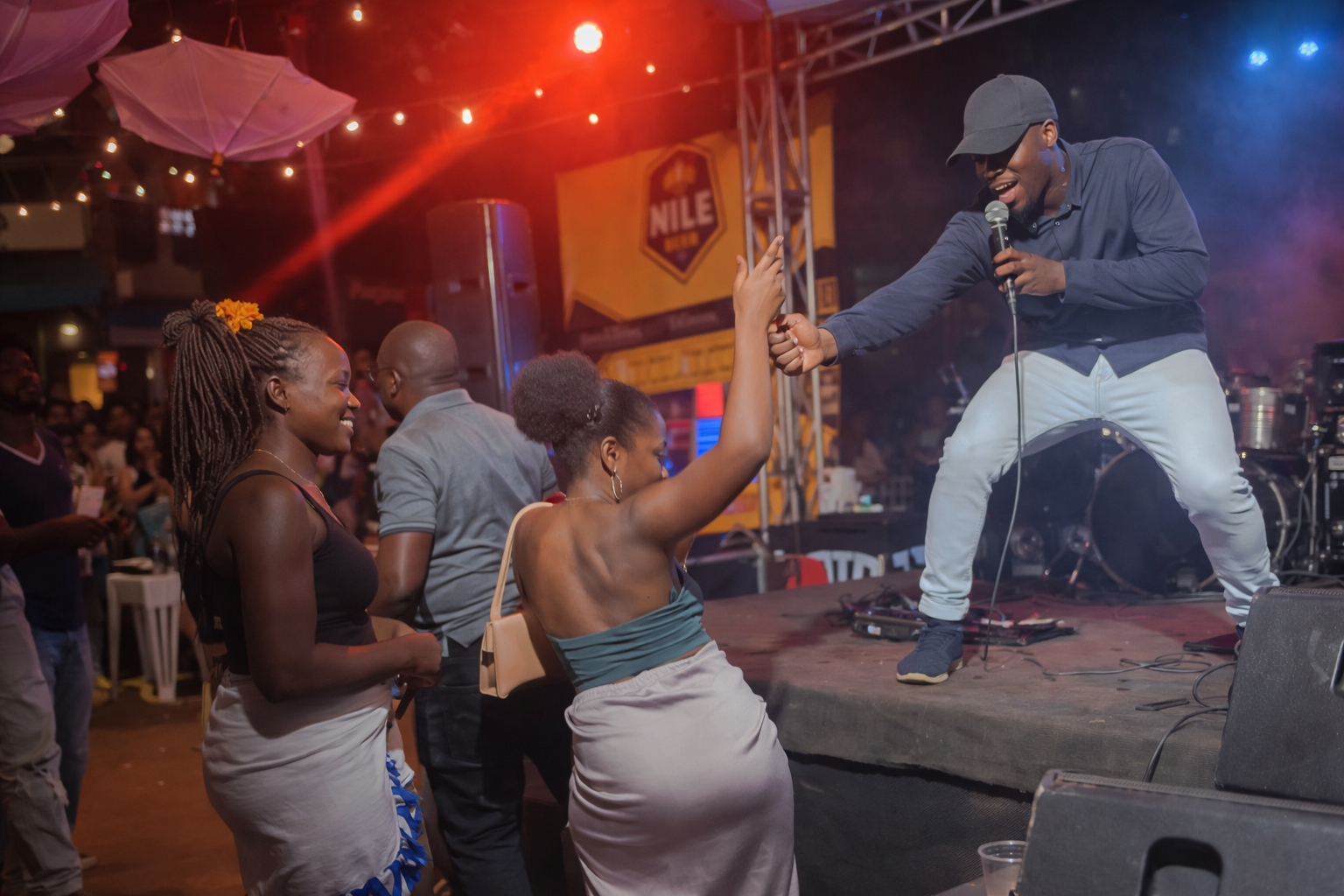
GUYS WAKIPIGA MECHI KWA EVENT YA RUTO

Staying Safe in Crowded Places: Smart Strategies Women Can Use to Reduce the Risk of Groping

Busy environments like public transportation, concerts, religious gatherings, sporting events, festivals, and nightlife venues can be exciting and full of energy. Unfortunately, crowded spaces can sometimes create opportunities for inappropriate behavior, including unwanted touching or groping. It’s important to be clear: harassment is never the victim’s fault. Responsibility always lies with the person who chooses to cross boundaries.

That said, being prepared and aware can help women feel more confident and better equipped to handle crowded situations safely.

Understand How Crowds Create Risk

Crowded areas reduce personal space and make accidental contact more common. Unfortunately, some individuals misuse this environment to hide intentional inappropriate behavior. Recognizing this reality helps you stay alert without becoming fearful.

Awareness is not about expecting the worst — it’s about being informed and prepared.

Arrive Early and Avoid Peak Congestion

Whenever possible, arrive at events slightly early. Early arrival often means:

  • Less crowd pressure
  • More freedom to choose where to stand
  • Better visibility of exits and security personnel

Avoiding the most tightly packed moments of an event reduces vulnerability and allows you more control over your space.

Control Your Physical Space

In crowded environments:

  • Stand sideways rather than facing directly forward in tight lines.
  • Keep one arm slightly bent at your side to create personal space.
  • Hold a bag or jacket behind you if you feel someone standing too close.

These small positioning adjustments can discourage inappropriate contact and make it harder for someone to invade your space unnoticed.

Stay Near Visible Authority Figures

Security presence can significantly deter harassment. When entering crowded areas:

  • Locate security guards or event staff.
  • Position yourself within visible range of them.
  • Move toward them immediately if you feel uncomfortable.

Most venues prioritize safety and will respond quickly if alerted.

Avoid Isolation Within the Crowd

Even in large gatherings, certain areas become isolated — such as dark corners, narrow hallways, or tightly packed entrances. Stay in well-lit, open sections where there are multiple witnesses.

Visibility increases accountability and reduces the likelihood of someone attempting inappropriate behavior.

Use Immediate Verbal Response

If someone touches you inappropriately, respond instantly and clearly. A firm statement such as:

  • “Stop.”
  • “Do not touch me.”
  • “That is inappropriate.”

Speaking loudly not only asserts your boundary but also draws attention, which often discourages further behavior.

You are not being dramatic for protecting yourself — you are enforcing your right to safety.

Trust Your Instincts and Move Quickly

If something feels wrong, it probably is. Do not second-guess yourself. Move immediately, even if you’re unsure whether the contact was intentional. Prioritize your comfort over politeness.

Your safety matters more than avoiding awkwardness.

Stay Connected Digitally

Modern technology can be an added layer of protection:

  • Share live location with trusted contacts.
  • Keep emergency numbers easily accessible.
  • Use safety apps designed for quick alerts.

Having backup support, even remotely, can provide peace of mind.

Support a Culture That Rejects Harassment

Safer public spaces require collective responsibility. Encourage conversations about consent and respectful behavior. Support venues that promote zero-tolerance policies against harassment. When communities speak openly and stand together, inappropriate behavior becomes less tolerated.


Final Thoughts

Women deserve to feel safe and confident in public spaces — whether commuting, celebrating, worshipping, or socializing. While harassment is never the victim’s fault, proactive awareness, confident boundary-setting, and strategic positioning can reduce risks in crowded environments.

Safety is about empowerment, not fear. With preparation and confidence, women can continue enjoying public life while protecting their personal space and well-being.


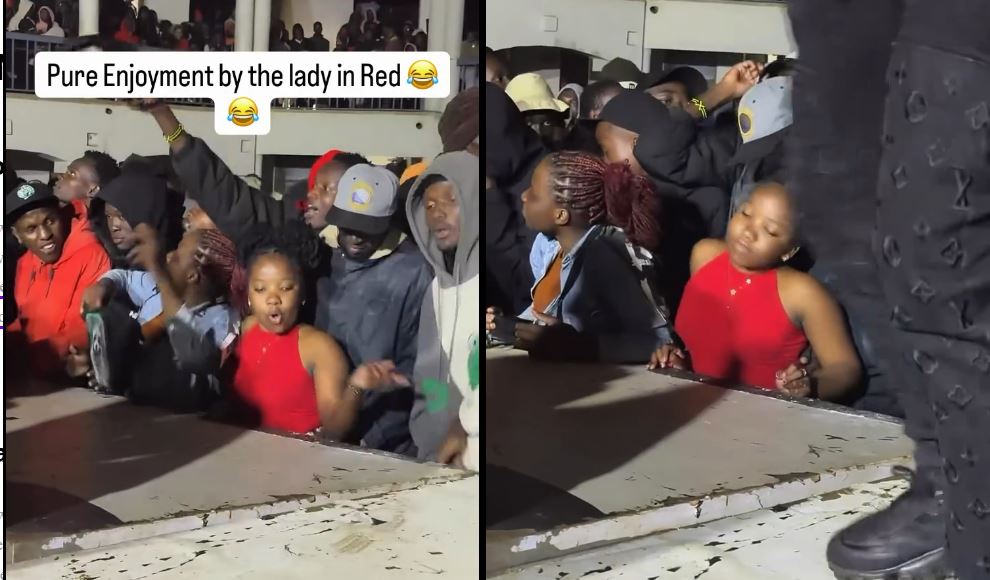
GUYS WAKIPIGA MECHI KWA EVENT

Practical Safety Tips for Women to Reduce the Risk of Groping in Crowded Places

Crowded environments—such as concerts, festivals, public transport, markets, sporting events, and nightlife venues—can be lively and enjoyable. Unfortunately, they can also create opportunities for inappropriate behavior like groping or unwanted physical contact. It is important to emphasize that harassment is never the victim’s fault. Responsibility always lies with the person who violates boundaries.

However, there are proactive steps women can take to increase personal safety, feel more confident in crowded spaces, and reduce vulnerability.

Plan Ahead Before Attending Crowded Events

Preparation can significantly improve safety. Before heading to a crowded venue:

  • Research the location and understand the layout.
  • Identify entry and exit points.
  • Check whether security staff will be present.
  • Share your location and plans with someone you trust.

Having a simple safety plan helps reduce stress and allows you to focus on enjoying the event.

Choose Positioning Carefully in Dense Crowds

Where you stand or move within a crowd matters. Try to:

  • Stay near well-lit areas.
  • Position yourself close to security personnel or event staff.
  • Avoid being boxed into tight spaces with no clear exit.
  • Stand near groups that appear safe and respectful.

If the crowd becomes too tightly packed, calmly move toward open space before discomfort escalates.

Stay Connected With Friends

Attending events with trusted friends adds a layer of protection. Agree in advance to:

  • Arrive together.
  • Check in regularly.
  • Leave together.

Create a simple signal or code word that indicates discomfort. This makes it easier to exit a situation quickly without drawing attention.

Use Clear and Confident Communication

If someone invades your personal space or touches you inappropriately, respond immediately. A firm and loud statement such as “Stop,” “Do not touch me,” or “That’s not okay” can draw attention and discourage repeat behavior.

Confidence and direct communication often deter opportunistic harassment. You have the right to defend your personal boundaries.

Be Mindful of Distractions

While smartphones are useful for navigation and communication, constant distraction can reduce awareness. In high-density environments:

  • Keep your head up.
  • Avoid wearing both earbuds at high volume.
  • Stay alert to unusual movement around you.

Awareness allows you to notice warning signs early and reposition yourself if necessary.

Carry Small Protective Tools

Depending on local laws, some women choose to carry legal safety tools such as personal alarms. A loud alarm can attract attention quickly if you feel threatened. Even holding your keys in a secure grip can make you feel more prepared and confident.

Always check local regulations before carrying any self-defense items.

Report Incidents Immediately

If harassment occurs:

  • Notify security staff or law enforcement immediately.
  • Document details while they are fresh in your mind.
  • Seek assistance from trusted individuals nearby.

Reporting incidents not only supports your safety but may prevent future incidents involving others.

Take Self-Defense or Awareness Training

Self-defense training is not about fighting—it’s about awareness, boundary-setting, and escape strategies. Many classes focus on situational awareness and assertiveness skills that help women navigate public spaces confidently.

Training can significantly boost confidence and preparedness.

Encourage Safer Public Spaces

Safety improves when communities actively discourage harassment. Support venues that take safety seriously, provide visible security, and promote clear anti-harassment policies. When bystanders intervene and support victims, public spaces become safer for everyone.


Final Thoughts

Every woman deserves to move freely and safely in public spaces. While the responsibility for harassment lies entirely with the offender, preparation, awareness, and confident boundary-setting can reduce risks in crowded environments.

By staying alert, moving strategically, speaking up, and supporting safer communities, women can better protect themselves while continuing to enjoy social spaces with confidence.

JAMAA MWINGINE AKIKULA DEM KWA RALLY YA RUTO

How Women Can Stay Safe and Reduce the Risk of Being Groped in Crowded Areas

Crowded places such as concerts, public transport, festivals, markets, and nightlife venues can be exciting and enjoyable. However, they can also create opportunities for inappropriate behavior like groping or unwanted physical contact. It is important to be clear: harassment is never the victim’s fault. Responsibility always lies with the person who chooses to violate someone’s boundaries.

That said, there are practical safety strategies women can use to reduce risk, increase awareness, and feel more confident navigating busy environments.

1. Stay Aware of Your Surroundings

Situational awareness is one of the strongest personal safety tools. In crowded environments, pay attention to who is around you and how people are moving. Avoid distractions like constantly looking down at your phone, especially when moving through tight spaces.

Trust your instincts. If someone makes you uncomfortable—standing too close, brushing against you repeatedly, or invading your space—move away immediately. Your intuition is often your first warning system.

2. Position Yourself Strategically

Where you stand in a crowd matters. Try to:

  • Stay near families, groups of women, or security personnel.
  • Avoid being pushed into corners, walls, or tightly packed areas where movement is limited.
  • Stand with your back against a wall or barrier when possible to prevent someone from approaching unnoticed from behind.

If attending an event, familiarize yourself with exits and security stations ahead of time.

3. Move With a Trusted Group

There is safety in numbers. When possible, attend crowded events with friends and agree to:

  • Stay within sight of each other.
  • Check in regularly.
  • Leave together.

If you get separated, have a pre-planned meeting point. A strong group presence often discourages inappropriate behavior.

4. Use Confident Body Language

Confidence can deter opportunistic harassment. Walk with purpose, keep your head up, and maintain assertive posture. If someone invades your space, make eye contact and say clearly and firmly, “Do not touch me.”

You do not need to apologize for protecting your personal space. Clear boundaries often stop inappropriate behavior immediately.

5. Create Physical Barriers When Needed

In tightly packed areas such as public transport:

  • Hold a bag or jacket behind you if you feel uncomfortable.
  • Keep your elbows slightly outward to create personal space.
  • Shift your position if someone presses too closely without reason.

These small adjustments can help establish boundaries.

6. Speak Up Immediately

If someone gropes you, drawing attention can be powerful. Loudly say phrases like:

  • “Stop touching me.”
  • “That’s inappropriate.”
  • “Security!”

Public attention often discourages repeat behavior and can alert others to step in or offer help.

7. Identify Safe People and Authorities

In crowded venues, locate:

  • Security personnel
  • Event staff
  • Police officers
  • Shop owners or vendors

If harassment occurs, report it immediately. Reporting helps protect not only you but others as well.

8. Use Technology for Safety

There are mobile safety apps that allow you to:

  • Share live location with trusted contacts
  • Send emergency alerts
  • Record incidents discreetly if needed

Having quick-access emergency contacts saved on your phone is also helpful.

9. Consider Self-Defense Training

Self-defense classes can increase both physical preparedness and confidence. Many programs focus on awareness, boundary-setting, and escape techniques rather than confrontation. Even basic training can significantly improve reaction time and assertiveness.

10. Support a Culture of Accountability

Preventing harassment is not solely an individual responsibility—it requires societal change. Encourage open conversations about consent and respect. Support venues and events that take safety seriously by providing visible security and clear reporting systems.

When bystanders step in, support victims, and hold offenders accountable, public spaces become safer for everyone.


Final Thoughts

Every woman deserves to feel safe in public spaces. While no strategy guarantees complete protection, awareness, confidence, and preparation can reduce vulnerability and empower women to respond effectively.

Most importantly, remember: harassment is never your fault. Setting boundaries and prioritizing your safety is your right.

A MAN LOSES GIRLFRIEND AT AN EVENT

Why Some Men Feel They “Lose” Their Girlfriends to Celebrities at Events

Celebrity encounters have a unique emotional power. Concerts, festivals, premieres, and public appearances create an atmosphere that feels larger than life. In these moments, people can behave differently than they normally would in everyday settings. Some men interpret these situations as “losing” their girlfriends to celebrities — but what’s really happening is more complex and rooted in psychology, culture, and expectations.

Understanding this dynamic can help couples navigate these experiences with maturity and trust.


The Celebrity Effect: Fantasy vs. Reality

Celebrities occupy a special place in modern culture. They represent fame, success, beauty, talent, and aspiration. When someone meets a celebrity, it can trigger excitement similar to meeting a childhood hero. The reaction is often emotional, spontaneous, and playful — not necessarily romantic or disloyal.

For many people, interacting with a celebrity is closer to stepping into a fantasy moment than making a real-life choice. It’s a burst of excitement in a controlled environment, not a reflection of dissatisfaction in a relationship.

Men sometimes mistake this excitement as attraction replacing loyalty. In reality, most fans return to their normal lives immediately after the event, and the celebrity encounter becomes a story, not a turning point.


Social Energy and Crowd Psychology

Events amplify emotions. Music, lights, cheering crowds, and group energy can temporarily lower inhibitions. People laugh louder, dance more freely, and act more expressive than they would in everyday life.

This doesn’t mean someone is abandoning their relationship. It means they are responding to an environment designed to heighten emotion. Even reserved individuals can become animated in a crowd.

Understanding crowd psychology helps remove personal blame from what is often a shared social experience.


Insecurity vs. Trust

When a partner feels threatened by a celebrity interaction, the root issue is usually insecurity — not the event itself.

Questions that may arise include:

  • “Am I being compared to someone famous?”
  • “Am I enough?”
  • “What if she wants someone more exciting?”

These fears are human, but they’re rarely grounded in reality. Celebrities represent fantasy and distance. Relationships are built on daily presence, shared history, and emotional investment — things fame cannot replace.

Trust is the stabilizing force here. A strong relationship recognizes that admiration for public figures does not cancel commitment at home.


The Role of Communication

Healthy couples talk about boundaries before events, not after conflict. Some partners are comfortable with playful fan interactions; others prefer clearer limits. Neither perspective is wrong — the key is agreement.

Simple conversations like:

  • “How do we want to handle celebrity moments?”
  • “What makes us uncomfortable?”
  • “What feels respectful?”

can prevent misunderstandings and resentment.

Open communication turns jealousy into teamwork.


Admiration Is Not Betrayal

It’s important to separate admiration from betrayal. Appreciating someone’s talent or presence is normal. Humans are wired to admire exceptional figures. This admiration does not automatically translate into emotional disloyalty.

A relationship becomes threatened not by celebrity encounters, but by lack of trust, unresolved insecurity, or poor communication.


Strengthening the Relationship

Instead of viewing celebrity interactions as competition, couples can treat them as shared experiences. Laugh about the excitement. Take photos. Make memories together. When partners celebrate moments as a team, the relationship becomes stronger rather than fragile.

The healthiest mindset is:

“We experience the world together — even the exciting parts.”


Final Thoughts

Men don’t truly “lose” their girlfriends to celebrities at events. What they often experience is a clash between fantasy and personal insecurity. Celebrity culture magnifies emotions, but real relationships are built on deeper foundations: trust, communication, and mutual respect.

When couples understand this, events become fun stories — not threats.

ANOTHER KENYAN PARTY JAMAA AKIKULA DEM

How Women Can Protect Their Personal Space in Crowded Events

Crowded events such as concerts, festivals, rallies, and public celebrations are meant to be enjoyable. However, large crowds can sometimes create situations where personal space is limited and boundaries are tested. While responsibility for respectful behavior lies with everyone, women can take practical steps to reduce discomfort and protect their personal space in crowded settings.

This guide focuses on awareness, confidence, and safety—not fear.


Stay Alert and Aware of Your Surroundings

Crowds can be distracting, but staying aware is important. Pay attention to who is around you and notice repeated or unnecessary closeness. Avoid becoming overly distracted by your phone, especially in tightly packed areas where movement is restricted.

Being alert helps you respond quickly if something feels uncomfortable.


Position Yourself Strategically

Whenever possible:

  • Stand near friends or trusted companions
  • Stay close to visible security personnel or ushers
  • Avoid being pushed deep into tightly packed sections

If the crowd becomes overwhelming, moving toward the edges or well-lit areas can help you regain personal space.


Use Confident Body Language

Confidence can discourage unwanted behavior. Standing upright, maintaining steady posture, and calmly asserting your presence sends a clear signal. If someone is too close without reason, a simple step aside or firm verbal cue like “excuse me” can help re-establish boundaries.

You do not need to apologize for protecting your space.


Trust Your Instincts

If a situation feels uncomfortable, take it seriously. Discomfort is often your body’s way of warning you. If needed, move away, seek help from event staff, or rejoin your group. Leaving an area early is always better than staying where you feel unsafe.


Stick With a Group When Possible

Attending events with friends provides an added layer of safety. Groups are less likely to be targeted, and companions can offer support if you need help navigating through crowds or addressing an uncomfortable situation.


Speak Up and Seek Help

Crowded events usually have security staff, organizers, or volunteers. If someone’s behavior makes you uncomfortable, report it. Drawing attention to inappropriate behavior often stops it immediately and helps protect others as well.

Speaking up is not creating trouble—it is protecting yourself.


Dress for Comfort and Mobility

Everyone has the right to dress as they choose. In crowded environments, practical clothing and secure accessories can make movement easier and reduce discomfort. Comfortable footwear and hands-free bags allow you to move confidently and stay balanced in packed spaces.


A Shared Responsibility

Creating safe public spaces is a collective effort. Respectful behavior, effective event management, visible security, and community awareness all play a role. Women should not have to constantly defend their personal space, but being informed and prepared can help reduce risk.


Conclusion

Crowded events don’t have to be stressful or unsafe. With awareness, confidence, and support, women can enjoy public gatherings while maintaining their personal boundaries. Safety is not about limiting freedom—it’s about creating environments where everyone can participate comfortably and respectfully.

OPANDE IN TROUBLE AGAIN FOR EXPOSING ANOTHER WOMAN

It seems like Opande is always getting in trouble with women. After exposing Marion’s videos, he escaped narrowly jail term by bribing his way to the US. Now it seems like while in Kenya, he had recorded several other women and he is now dropping videos one by one. How will this end? Stay tuned to know more.

FEMALE PASTOR PRAYING FOR A FOLLOWER

How to Identify Fake Pastors: Warning Signs Believers Should Watch Out For

Faith plays an important role in many people’s lives, offering guidance, hope, and a sense of community. However, alongside genuine religious leaders, there are individuals who misuse the title of pastor for personal gain. Knowing the warning signs can help believers protect themselves spiritually, emotionally, and financially.

This article is not about attacking religion or genuine pastors, but about encouraging discernment, accountability, and wisdom.


1. Excessive Focus on Money and Giving

One common red flag is when a pastor places constant pressure on congregants to give money. While churches need support, problems arise when:

  • Giving is linked to guaranteed miracles or blessings
  • Members are shamed for not donating
  • Financial transparency is missing

Faith should not feel like a financial transaction.


2. Promises That Sound Too Good to Be True

Be cautious of pastors who claim they can:

  • Instantly solve all problems
  • Guarantee wealth, marriage, or healing
  • Predict exact dates or outcomes

Spiritual guidance should encourage patience, effort, and faith—not unrealistic promises.


3. Lack of Accountability or Oversight

Genuine ministries usually have:

  • Church boards or elders
  • Clear leadership structures
  • Financial accountability

A pastor who answers to no one and discourages questions may be avoiding scrutiny.


4. Discouraging Independent Thinking

Fake pastors often try to control members by:

  • Claiming they are the only true voice of God
  • Discouraging members from seeking advice elsewhere
  • Labeling questions as a lack of faith

Healthy faith allows room for reflection, learning, and personal growth.


5. Living an Unexplained Extravagant Lifestyle

While pastors are allowed to live comfortably, concern arises when:

  • Wealth appears far beyond known church income
  • The pastor’s lifestyle contrasts sharply with members’ struggles
  • Financial questions are dismissed or avoided

Transparency builds trust; secrecy raises concern.


6. Using Fear to Control Followers

Fear-based leadership may include:

  • Threats of curses or misfortune
  • Claims that leaving the church will bring punishment
  • Emotional manipulation during services

Faith should inspire hope and responsibility, not fear and dependency.


7. Exploiting Vulnerable People

Be cautious if a pastor:

  • Targets the sick, grieving, or desperate for money
  • Encourages isolation from family or friends
  • Uses personal problems as leverage for control

True spiritual leadership protects the vulnerable—it does not exploit them.


8. Poor Moral and Ethical Conduct

No one is perfect, but repeated patterns of:

  • Dishonesty
  • Abuse of power
  • Sexual or financial misconduct
  • Refusal to take responsibility

Are serious warning signs, especially when covered up or justified.


How Believers Can Protect Themselves

  • Read and understand religious teachings personally
  • Ask respectful but important questions
  • Seek churches with transparency and accountability
  • Avoid making major life decisions based solely on one person’s instruction
  • Trust your instincts if something feels wrong

Conclusion

Not everyone who claims spiritual authority truly serves the interests of their followers. Discernment is not a lack of faith—it is wisdom. Genuine pastors guide, teach, and serve with humility, accountability, and integrity.

PROPHET OWOUR FINALLY REPONDS TO TV 47 ALLEGATIONS

From the video, Prophet Owour says that the above video is the Original video that TV 47 took and added lies to make him look bad and to elevate their name to the next level. However, It is good that the internet never forgets and the video serves as the evidence.

PROPHET OWOUR EXPOSED BY TV47

Here’s a balanced, informative, and up-to-date article you can use about Prophet Owuor’s latest controversies in Kenya — written in a clear, engaging style suitable for blogs or news sites:


Prophet David Owuor in the Spotlight: Unpacking the Latest Controversies

Prophet Dr. David Owuor, leader of the Repentance and Holiness Ministry and one of Kenya’s most talked-about religious figures, has once again found himself at the center of public debate and controversy. Known for his large crusades and dramatic claims of miraculous healings, Owuor’s ministry consistently attracts both devoted followers and vocal critics.

In early 2026, multiple issues thrust the preacher back into the news. One major flashpoint involved remarks by Kenya’s Health Cabinet Secretary Aden Duale, who suggested that Owuor had traveled abroad for medical knee surgery — an accusation the prophet’s ministry denied, calling the claims “false, unverified, and misleading.” The church explained that Owuor was on official religious duties during the period in question, pushing back against the suggestion that he sought medical care despite preaching faith-based healing.

Adding to the buzz was a viral miracle healing claim connected to one of Owuor’s events, where a businessman named Michael Makarina said he was healed and no longer needed his wheelchair. This prompted public commentary from Nairobi County officials, who jokingly questioned the whereabouts of the wheelchair — highlighting how quickly such claims can spark online debate and skepticism.

Beyond individual anecdotes, broader concerns have also surfaced. The Kenya Medical Practitioners and Dentists Council (KMPDC) is investigating unverified “miracle healing” claims associated with Owuor’s crusades. Meanwhile, the National Council of Churches of Kenya (NCCK) has distanced itself from some of Owuor’s practices, emphasizing that while faith and prayer are important, believers should not be discouraged from seeking verified medical treatment when necessary.

This recent spate of controversies sits alongside earlier ones — for example, the ministry previously had to publicly deny rumors about predicting a specific doomsday date, clarifying that Owuor never set an exact end-of-world date despite viral social media posts suggesting otherwise.

Critics located outside mainstream media have also shared stories and allegations about internal practices and unverified claims, though these are harder to substantiate. Independent voices online argue that some reported miracles lack scientific proof, while supporters defend Owuor’s ministry as a source of spiritual encouragement. Regardless of perspective, these debates reflect a broader tension in Kenya today between faith-based healing and public health standards.

What remains clear is that Prophet Owuor’s influence — and controversies — continue to generate conversation across social media, traditional news outlets, and within Kenyan society at large. Whether one views him as a spiritual leader or a polarizing public figure, the ongoing discussions highlight the importance of critical dialogue around religion, evidence, and community expectations in the digital age.