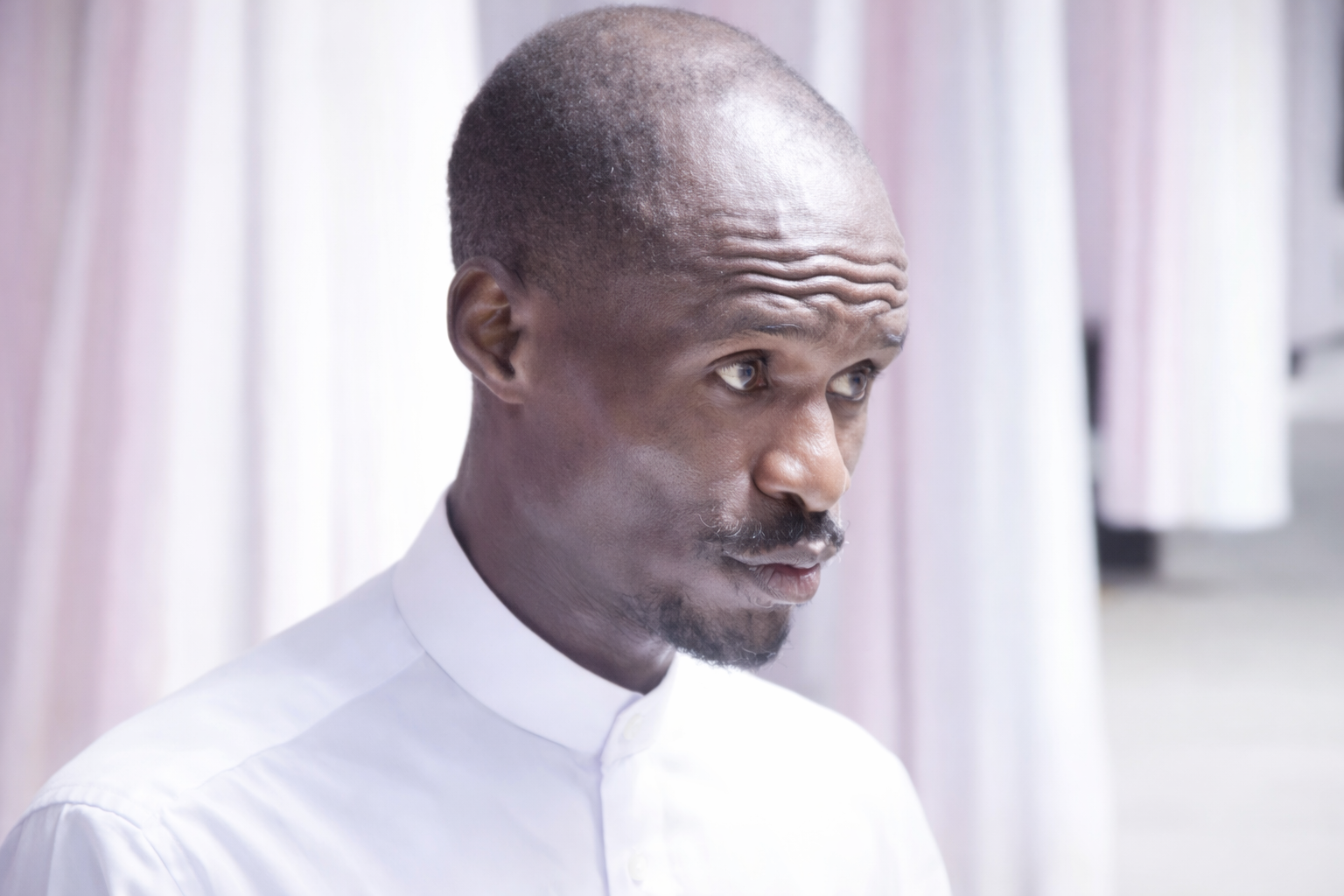
Faith, Fear, and Consistency: Questions Raised by Pastor Ezekiel’s Claim
Recently, Pastor Ezekiel sparked widespread debate after claiming that God revealed to him that he would die in February. The statement drew strong reactions from believers and non-believers alike, not because of the date itself, but because of what it appears to contradict at the core of Christian teaching.
In Christianity, death is not presented as something to be feared. Scripture consistently teaches that believers who die in Christ transition from earthly life into eternal life with God. For pastors in particular—who preach heaven, salvation, and eternal joy—death is often described as a “homecoming,” not a tragedy.
This raises an important question: If a pastor truly believes what he teaches, why would the idea of death inspire fear or alarm rather than peace and hope?
Christian doctrine emphasizes that no one knows the day or hour of their death except God alone. Predicting one’s own death, especially with a specific date, places personal claims on the same level as divine authority—something the Bible itself warns against. Faith, according to scripture, is rooted in trust, not timelines.
More importantly, if heaven is the ultimate reward and goal of the Christian journey, then a pastor announcing his imminent death should logically express joy, gratitude, and readiness to meet the Lord—not anxiety or public distress. The contradiction unsettles many believers who look to pastors for spiritual clarity and confidence.
Public religious figures carry a heavy responsibility. Their words influence millions, shape faith, and can either strengthen or confuse believers. Statements about death, prophecy, and divine revelation should therefore be approached with humility, discernment, and scriptural grounding.
True faith is demonstrated not by dramatic declarations, but by consistency between belief and behavior. If heaven is real and God’s promises are true, then death should not be a threat—but a fulfillment.
As believers reflect on such claims, the moment calls not for fear, but for deeper discernment, accountability, and a return to the core message of faith: trust in God, humility before Him, and hope beyond this life.















You must be logged in to post a comment.