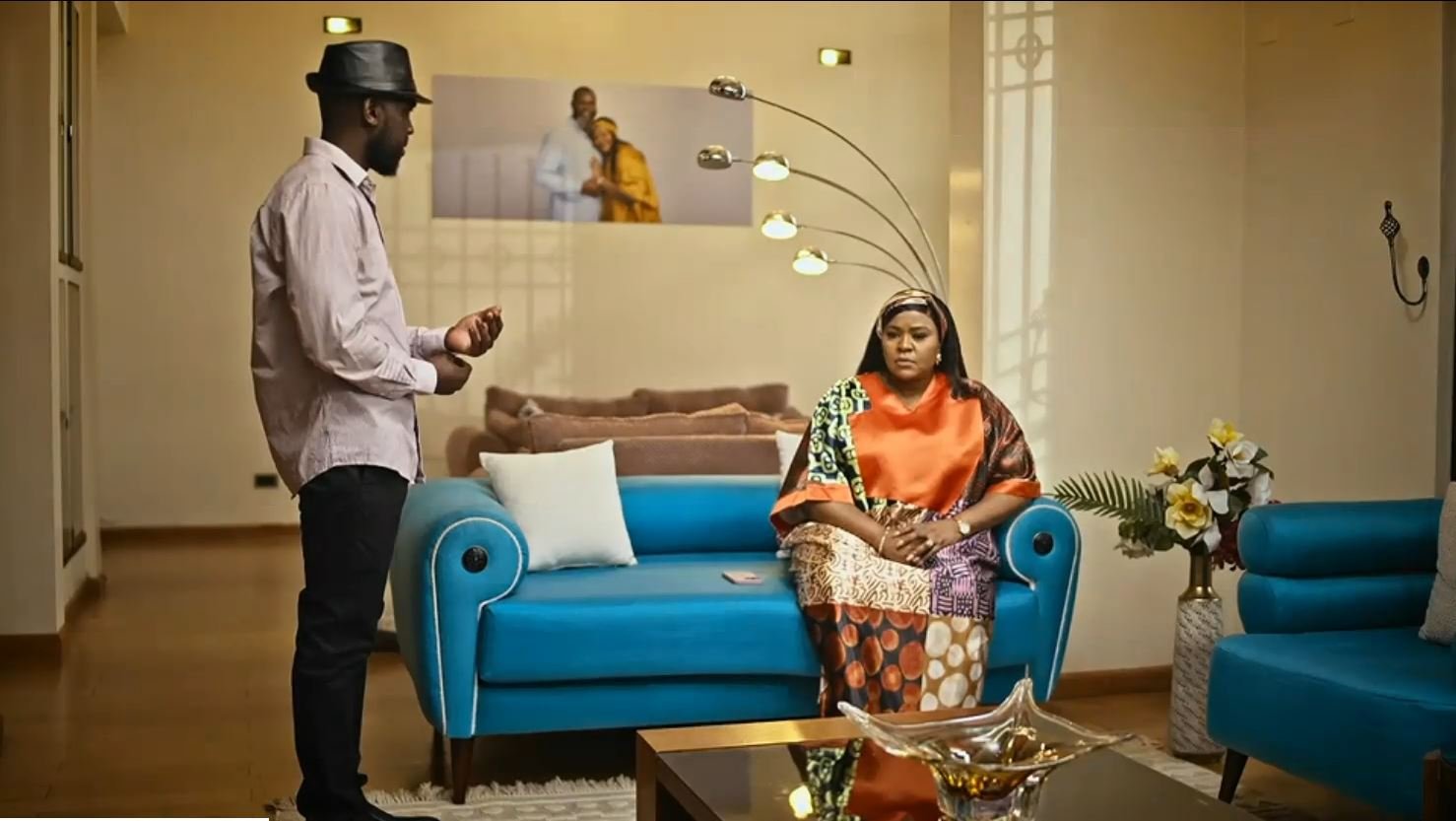
LULU MAISHA MAGIC PLUS SEASON 1 EPISODE 206 FRIDAY FEBRUARY 13TH 2026 FULL EPISODE

Starting and Running a Successful Electronics Business in Kenya: Your 2026 Guide to Profits in Nairobi CBD, Gikomba, Eastleigh, or Smaller Towns

Kenya’s electronics business scene is buzzing in 2026. With rising smartphone adoption, demand for Smart TVs, solar solutions amid frequent outages, power banks, and affordable gadgets, entrepreneurs are spotting big opportunities. Whether you’re eyeing a bustling stall in Nairobi’s Gikomba market, a shop in Eastleigh (famous for wholesale deals), a prime spot in the CBD along Moi Avenue or Ronald Ngala, or a quieter outlet in Kisumu, Eldoret, or rural towns, an electronics shop in Kenya can be highly profitable—if you plan smartly.

This guide walks you through the essentials: choosing your location, sourcing stock, battling online giants like Jumia and Kilimall, nailing pricing and margins, spotting trending products, and building lasting customer trust.

Choosing the Right Location: Foot Traffic vs. Wholesale Edge

Location makes or breaks your electronics business in Kenya.

  • Nairobi CBD (Moi Avenue, Kimathi Street, Ronald Ngala): High foot traffic from office workers, students, and tourists. Shops here focus on premium or mid-range items like Samsung phones, LG TVs, and laptops. Rents are steep (KSh 30,000–100,000+/month), but sales volume is high.
  • Gikomba Market: Nairobi’s largest open-air market—ideal for budget electronics, phone accessories, used/refurbished items, and wholesale. Low rents (KSh 10,000–30,000), massive crowds on weekends, but competition is fierce and security concerns exist.
  • Eastleigh: Known as “Little Mogadishu”—a wholesale hub for imported gadgets from Dubai/China. Great for bulk sourcing cheap smartphones (Tecno, Infinix), accessories, and home appliances. Lower rents, diverse customer base (including Somali traders), but navigate cultural/business norms carefully.
  • Smaller Towns (Kisumu, Mombasa outskirts, Kitale, Meru): Less competition, loyal local customers, lower overheads (rent KSh 5,000–20,000). Focus on essentials like power banks, solar kits, fridges, and budget phones. Build community ties for repeat business.

Start small: Many succeed with KSh 50,000–200,000 capital for stock, rent, and a simple permit.

Sourcing Products: Local Distributors vs. Direct Imports

Quality stock at good prices is key.

  • Local Distributors/Wholesalers: Safer for beginners. Buy from Nairobi hubs like Eastleigh (for China/Dubai imports), Ngara, or authorized dealers (Samsung, LG via official channels). Faster delivery, easier warranties, avoids customs hassles. Brands like Oraimo, Vitron, Hisense have strong local networks.
  • Direct Imports: From China (Alibaba, Made-in-China) or Dubai (for branded goods at 15–20% lower prices). Use freight forwarders like Aquantuo for shipping to Kenya. Duties (0–25% depending on item), clearing fees, and delays apply. Great for bulk (e.g., power banks, accessories) but risky for counterfeits—verify suppliers.

Tip: Start with local wholesalers to learn the market, then scale to imports for better margins.

Pricing Strategies and Competition from Jumia & Kilimall

Online platforms like Jumia dominate with fast delivery and reviews, but physical shops win on trust, immediate testing, and bargaining.

  • Pricing: Markup 20–50% on cost. Budget items (Tecno phones, Vitron TVs) 30–40%; premium (Samsung A-series) 20–30%. Offer bundles (phone + case + screen protector) or Lipa Mdogo Mdogo installments to compete.
  • Beating Online Competition: Provide hands-on demos, after-sales service (repairs, warranties), and personal advice. Many customers check Jumia prices then buy in-store for assurance. Hybrid approach: List on Jumia for wider reach while running your physical shop.
  • Profit Margins: Expect 15–35% net after expenses. Accessories (chargers, earbuds) hit 40–60%; big items (TVs, fridges) 10–25%. Volume in high-traffic spots boosts overall profits.

Trending Electronics Products in 2026

Stock what sells:

  • Smartphones: Tecno, Infinix, Samsung A-series—budget kings.
  • Smart TVs: Hisense, TCL, Vitron—rising with fiber internet.
  • Solar Solutions & Power Banks: M-KOPA/d.light kits, solar chargers—huge due to outages.
  • Accessories: Chargers, cases, earbuds, portable power stations.
  • Laptops & Gaming Gear: Entry-level for students/remote work.

Monitor trends: Solar-integrated phones/TVs from Sun King (new Kenya factory) are emerging.

Building Customer Trust: The Secret to Repeat Business

In Kenya, word-of-mouth rules.

  • Offer genuine products with local warranties (1–2 years).
  • Provide testing before sale, free setup (e.g., TV mounting).
  • Honest pricing—no hidden fees.
  • After-sales: Repairs, returns, advice on stabilizers/solar.
  • Digital boost: WhatsApp Business for orders, Facebook/Instagram for promotions, simple website or Google listing.
  • Join local chama or business groups for referrals.

Final Tips for Launching Your Electronics Business in Kenya

  • Register: Get a single business permit (KSh 5,000–20,000/year), KRA PIN.
  • Secure stock: Start with KSh 100,000–500,000 inventory.
  • Market: Use flyers, WhatsApp groups, radio in smaller towns.
  • Protect: Use stabilizers, insure against theft/fire.

An electronics business in Kenya rewards hustle and honesty. In 2026’s growing market—fueled by youth, mobile money, and energy needs—your shop can thrive whether in the CBD chaos or a quiet town. Start small, source smart, serve genuinely, and watch your venture grow into a reliable income source. Ready to plug in? The market is waiting! 🇰🇪🔌

LULU MAISHA MAGIC PLUS SEASON 1 EPISODE 206 FRIDAY FEBRUARY 13TH 2026 FULL EPISODE

NEXT ON LULU MAISHA MAGIC PLUS SEASON 1 EPISODE 206 FRIDAY FEBRUARY 13TH 2026 FULL EPISODE

Power Outages in Kenya Driving Surge in Backup Power Solutions: Power Banks, UPS, Mini Generators, and Portable Power Stations in 2026

As of February 13, 2026, Kenya continues to grapple with frequent power outages—both planned maintenance interruptions and unplanned blackouts—across urban and rural areas. Kenya Power (KPLC) regularly announces scheduled cuts in counties like Nairobi, Kisumu, Nyeri, Migori, and others, often lasting 8–10 hours for grid upgrades. Unplanned outages stem from overloaded transmission lines, equipment failures, high evening demand peaks, weather impacts on hydro, and occasional incidents like animal interference or faults from neighboring grids. Recent years have seen nationwide blackouts and ongoing load-shedding in high-demand zones, pushing households, offices, and small businesses to seek reliable backup options.

This has fueled booming demand for power banks, UPS systems, mini generators, and portable power stations—essential tools to keep lights on, fridges running, routers connected, and devices charged during disruptions.

Why Demand Is Skyrocketing in 2026

Kenya’s electricity demand has hit record highs, outpacing local generation at times and forcing rationing. Rural areas face longer waits for grid extensions, while urban users endure unpredictable cuts affecting work-from-home setups, small shops, and essential appliances. Backup power solutions provide independence: no more spoiled food, lost business hours, or interrupted online classes. Affordable financing via M-Pesa installments and falling prices (thanks to imports and local competition) make them accessible.

Comparing the Options: Capacity, Features, and Use Cases

Here’s a practical comparison tailored to Kenyan needs:

  • Power Banks (Portable, mAh-focused)
  • Capacity: Rated in mAh (e.g., 10,000–60,000mAh) or Wh (e.g., 192Wh for larger models like Anker SOLIX C200). Real usable capacity is ~60–70% due to conversion losses.
  • Safety Features: Look for overcharge/overheat protection, short-circuit prevention, and certifications (CE, RoHS, or KC).
  • Ideal For: Homes (charging phones/laptops during short outages), students, commuters. Lasts 1–3 device charges.
  • Examples: Oraimo, Anker, Xiaomi—prices KSh 1,500–15,000.
  • UPS Systems (Uninterruptible Power Supply)
  • Capacity: 500–1500VA (volt-amperes), often 300–900Wh equivalent. Provides seamless switchover (milliseconds) for computers/servers.
  • Safety Features: Surge protection, AVR (automatic voltage regulation), battery backup alarms.
  • Ideal For: Offices (PCs, routers, POS machines), small businesses (preventing data loss during brief cuts).
  • Examples: APC, Mercury, Santon—prices KSh 5,000–25,000.
  • Mini Generators (Fuel-based, petrol/diesel)
  • Capacity: 1–5kVA (running 800–4000W). Runtime 6–12 hours per tank.
  • Safety Features: Overload protection, low-oil shutdown, AVR for stable output.
  • Ideal For: Small businesses (shops, salons needing consistent power), homes in prolonged outages. Noisy, requires fuel/storage.
  • Examples: Honda, Yamaha, generic Chinese—prices KSh 20,000–80,000+.
  • Portable Power Stations (Rechargeable, often solar-compatible)
  • Capacity: 200–1000Wh+ (e.g., Jackery Explorer 500 at 518Wh, Anker PowerHouse 535 at 512Wh). Outputs 300–1000W AC.
  • Safety Features: LiFePO4 batteries (safer, longer life 2000+ cycles), BMS (battery management system), multiple protections.
  • Ideal For: Homes (fridges, TVs, fans), small businesses (cameras, lights), off-grid or extended outages. Quiet, eco-friendly with solar input.
  • Examples: Anker, Jackery, EcoFlow, Oraimo—prices KSh 20,000–100,000+.

Quick Tip: For short outages (1–4 hours), power banks or UPS suffice. For longer/blackout-prone areas, portable power stations or mini generators offer more capacity.

Choosing Reliable Brands and Avoiding Counterfeits in Kenyan Markets

Counterfeit electronics flood markets—especially power banks and batteries filled with sand or low-grade cells—posing fire/explosion risks.

  • Reliable Brands: Anker, Oraimo, Xiaomi, Baseus (power banks); APC, Santon (UPS); Honda, Yamaha (generators); Jackery, EcoFlow, Anker SOLIX (power stations). Buy from authorized dealers, Jumia (official stores), Hotpoint, or reputable shops in Nairobi/Mombasa.
  • Spot Fakes:
  • Unrealistic prices/capacity (e.g., 50,000mAh for KSh 1,000).
  • Too light/heavy (genuine feels substantial).
  • Poor packaging, blurry logos, no serial numbers/certifications.
  • Overheats quickly or charges slowly.
  • No warranty card or local service support.

Always check reviews, verify serials on brand sites, and prefer sellers with returns.

Safety Advice and Charging Efficiency Tips

  • Safety First:
  • Never use damaged cables/batteries—risk of fire.
  • Charge in cool, ventilated areas; avoid direct sun.
  • Use original chargers; don’t overcharge (unplug when full).
  • For lithium batteries, store at 50% charge if unused long-term.
  • Keep away from children/pets.
  • Maximize Efficiency:
  • Match capacity to needs (calculate Wh: device watts × hours used).
  • Use fast-charging ports wisely (they drain faster).
  • For power stations, add solar panels for free recharges.
  • Turn off unused outputs; enable eco modes.
  • Pair with stabilizers for grid-connected devices.

Frequent outages make backup power a smart investment—saving time, food, business, and peace of mind. Whether a student needing phone juice or a shop owner keeping lights on, choose based on your outage patterns and budget. Stay powered, stay safe, and beat the blackouts in 2026! 🇰🇪⚡

NEXT ON LULU MAISHA MAGIC PLUS SEASON 1 EPISODE 206 FRIDAY FEBRUARY 13TH 2026 FULL EPISODE

NEXT ON LAZIZI MAISHA MAGIC PLUS SEASON 1 EPISODE 95 FRIDAY FEBRUARY 13TH 2026

Best Affordable Smartphones in Kenya 2026: Tecno, Infinix, Samsung A-Series, Xiaomi, and Oppo Compared

In Kenya’s bustling mobile market as of February 2026, affordable smartphones continue to dominate sales, especially in the budget and mid-range segments under KSh 50,000. Brands like Tecno, Infinix, Samsung A-series, Xiaomi, and Oppo lead the pack, offering impressive value for money amid rising device prices due to global component costs. These brands capture the bulk of everyday Kenyan users—from students juggling online classes to small business owners handling M-Pesa transactions and content creators shooting quick videos.

Tecno and Infinix (both under Transsion Holdings) rule the entry-level space with massive market share in budget sales, while Samsung’s A-series provides trusted reliability, Xiaomi delivers specs-packed performance, and Oppo brings stylish designs. Here’s a practical breakdown of their key strengths in performance, battery life, camera quality, storage, and durability—tailored to Kenya’s dusty, hot environment and power fluctuations.

Performance: Smooth Everyday Use Without Lag

Most affordable models handle WhatsApp, TikTok, browsing, and light gaming well.

  • Tecno (e.g., Spark 40 series, Pop series): MediaTek Helio or G-series chips deliver solid multitasking for under KSh 25,000. Great for students running multiple apps.
  • Infinix (e.g., Hot 60 Pro Plus, Note series): Often packs Helio G99 or similar—smooth 120Hz displays make scrolling feel premium.
  • Samsung A-series (e.g., Galaxy A07, A26 5G): Exynos or MediaTek processors with One UI offer clean, optimized performance. Samsung edges out in long-term software smoothness.
  • Xiaomi (e.g., Redmi A5, Redmi Note series): Snapdragon or Helio chips provide snappy speeds, especially in multitasking—ideal for small business owners using multiple tabs.
  • Oppo (e.g., A58, A5 Pro): ColorOS is fluid, with good gaming chops in mid-range models.

Verdict: Xiaomi and Infinix often punch above their price in raw speed; Samsung wins for consistent, bloat-free experience.

Battery Life: Lasting Through Long Days

Kenya’s power outages make big batteries essential.

  • All these brands shine with 5000mAh+ batteries—easily lasting 1.5–2 days on moderate use.
  • Tecno/Infinix: Often include 18–33W fast charging; some models hit 7000mAh for heavy users.
  • Samsung A-series: Reliable 5000mAh with efficient software—great standby time.
  • Xiaomi: Strong endurance and fast charging (up to 33W) in Redmi lines.
  • Oppo: Excellent optimization and VOOC fast charging for quick top-ups.

In hot Kenyan weather, these hold up well without rapid drain.

Camera Quality: Good Enough for Social Media and Business

Cameras focus on selfies and daylight shots.

  • Tecno/Infinix: 50MP+ main sensors with AI enhancements—excellent selfies and portraits for content creators.
  • Samsung A-series: Consistent colors and stabilization—reliable for product photos in small businesses.
  • Xiaomi: Versatile setups with good low-light performance in Redmi Notes.
  • Oppo: Stylish portraits and vibrant colors—popular for Instagram/TikTok.

None rival flagships, but they exceed expectations for the price.

Storage and Expandability: Room for Apps, Photos, and Files

Most offer 64GB–256GB base storage with microSD slots (except some premium variants).

  • Tecno/Infinix: Generous RAM (up to 8GB virtual) and expandable storage—perfect for downloading videos or business records.
  • Samsung: 128GB common, reliable file management.
  • Xiaomi/Oppo: Often 128GB+ with hybrid slots.

Durability in Kenyan Conditions: Dust, Heat, and Drops

Kenya’s environment tests phones hard—dusty roads, humidity in coastal areas, and occasional drops.

  • Tecno/Infinix: Tough builds with splash resistance; many survive daily hustles.
  • Samsung A-series: Better water/dust resistance (IP ratings on some) and Gorilla Glass—more durable long-term.
  • Xiaomi/Oppo: Solid plastic frames; use cases for extra protection.

Pair any with a good case and screen protector—common advice in Kenyan shops.

Network Compatibility: Safaricom, Airtel, Telkom, M-Pesa, and 4G/5G

All major brands support Kenyan networks fully.

  • 4G/5G: Most affordable models are 4G-ready; entry-level 5G appears in Samsung A26, some Infinix/Xiaomi/Oppo mid-rangers. Safaricom leads 5G coverage (over 100 towns), Airtel expanding, Telkom/Faiba in select areas—check bands for full compatibility.
  • M-Pesa Integration: Seamless across all—NFC or USSD works perfectly for transactions, Lipa na M-Pesa, and till numbers.

No major issues; buy unlocked or from reputable sellers.

Guidance for Different Users: Value-for-Money Picks

  • Students (budget KSh 10,000–25,000): Go for Tecno Pop/Spark or Infinix Hot/Smart series—big batteries, decent cameras for notes/selfies, expandable storage for e-books.
  • Small Business Owners (KSh 15,000–35,000): Samsung Galaxy A07/A26 for reliability and long support, or Xiaomi Redmi for multitasking (inventory apps, M-Pesa tills). Durable builds handle daily use.
  • Content Creators (KSh 20,000–40,000): Infinix Hot/Note or Tecno Camon/Spark for strong selfie cameras and 120Hz screens—great for TikTok/YouTube shorts. Add Oppo for vibrant editing.

Shop at Jumia, Phone Place Kenya, Gadgets Leo, or authorized dealers for warranties (1–2 years). Look for Lipa Mdogo Mdogo installments.

These affordable smartphones prove you don’t need flagship prices for solid performance in Kenya. Whether powering your studies, business, or creativity, Tecno, Infinix, Samsung A-series, Xiaomi, and Oppo deliver real value—keeping you connected, productive, and entertained without breaking the bank. Pick based on your needs, and enjoy the upgrade! 🇰🇪📱

NEXT ON LAZIZI MAISHA MAGIC PLUS SEASON 1 EPISODE 95 FRIDAY FEBRUARY 13TH 2026

LAZIZI MAISHA MAGIC PLUS SEASON 1 EPISODE 95 FRIDAY FEBRUARY 13TH 2026

Solar Power Revolution in Kenya: How Off-Grid Systems Are Keeping TVs, Fridges, Routers, and More Running in 2026

In Kenya today—February 2026—solar energy isn’t just an eco-friendly trend; it’s becoming a daily necessity for millions. With frequent blackouts, rising Kenya Power tariffs (often KSh 16–19 per unit for higher consumption), and rural areas still waiting for reliable grid extension, households and small businesses are turning to solar to power essential electronics like TVs for family entertainment, fridges to preserve food and reduce spoilage, routers for steady internet and remote work, security cameras for safety, and laptops for students or home offices.

This shift is especially powerful in rural and peri-urban communities, where grid access remains patchy. Off-grid and hybrid solar systems provide independence from unreliable power, lower long-term costs, and cleaner energy. Companies like M-KOPA and d.light are leading the charge with affordable, pay-as-you-go (PAYG) solar kits that have already transformed lives across Kenya.

Rural Electrification Challenges: Why Solar Is Stepping In

Kenya has made huge strides—grid coverage has expanded dramatically—but challenges persist. Around 30% of rural households still lack reliable electricity, per recent estimates, due to high extension costs in dispersed areas, frequent outages from overloads or weather, and slow infrastructure rollout. The government’s goal of universal access by 2026 relies heavily on off-grid solar to bridge the gap.

For many families, blackouts mean spoiled food in fridges, no Wi-Fi for online classes or business, dim evenings without lights, and vulnerability without security cameras. Solar kits solve this by delivering power directly where it’s needed—no waiting for poles and wires.

How M-KOPA and d.light Are Changing Lives with Solar Kits

M-KOPA and d.light pioneered PAYG models, letting low-income families access solar without huge upfront costs. You pay a small deposit (often KSh 5,000–10,000) then daily or weekly installments via M-Pesa—similar to buying airtime.

  • M-KOPA offers systems powering lights, phone charging, radios, and even TVs (past kits included 24-inch solar TVs with HD viewing). Modern setups handle small fridges, routers, and fans. Customers pay ~KSh 100–200 daily over 1–2 years; once paid off, power is free forever. Thousands of rural homes now enjoy evening TV, charged phones for business, and preserved groceries—boosting income and education.
  • d.light focuses on scalable home systems (D series like D10 to X2000 Pro) powering lights, fans, TVs, small appliances, and inverters for more demanding loads. They emphasize ultra-efficient appliances and have expanded via financing deals (e.g., recent USD 176M facilities for Kenya, Tanzania, Uganda). In rural Kenya, d.light kits provide “grid-like” experience, powering fridges for small shops or routers for community hubs.

These solutions reach remote areas, create jobs (local agents), and improve health (no kerosene fumes) while advancing clean energy goals.

Understanding Solar Components: Inverters, Batteries, and Capacity in Simple Terms

A basic solar setup includes panels (capture sunlight), batteries (store energy for night/cloudy days), inverter (converts DC to AC for household use), and charge controller.

  • Solar Inverters: These turn solar DC power into usable AC (like Kenya’s 240V outlets). Hybrid inverters blend solar with grid backup. A 1–3kW inverter powers essentials; 5kW+ handles full homes.
  • Batteries: Store energy.
  • Lead-acid (cheaper, KSh 32,000–61,000 for 200Ah): Good entry-level, but shorter life (5–7 years), need maintenance (topping water), and only 50–70% usable capacity.
  • Lithium-ion (LiFePO4 preferred): Higher upfront (KSh 60,000–300,000 for 5–20kWh), but last 10–15+ years, 90–95% usable, no maintenance, lighter, and better in Kenya’s heat. Long-term winners for frequent use.
  • Power Capacity Calculations (Simple Guide):
  • List daily needs: TV (100W × 5hrs = 500Wh), fridge (150W average × 24hrs = 3,600Wh), router (10W × 24hrs = 240Wh), laptop (60W × 4hrs = 240Wh), cameras (20W × 24hrs = 480Wh).
  • Total daily Wh ÷ 0.8 (efficiency) = required battery/storage size.
  • Panels sized to recharge daily (e.g., 300–500W panels for basics).
  • Example: 2–3kW system (KSh 190,000–360,000) powers fridge, TV, lights, router, fans reliably.

Cost Breakdowns: From Starter Kits to Full Systems

  • Small PAYG kits (lights + phone + small TV/router): Deposit KSh 5,000–15,000 + daily KSh 50–200 (1–2 years).
  • 1–2kW home system (TV, small fridge, lights, router): KSh 100,000–200,000.
  • 3kW+ (full house + business fridge, cameras, laptops): KSh 190,000–360,000+.
  • Lithium upgrades add 50–100% upfront but save on replacements.

Many use Lipa Mdogo Mdogo or bank loans for spread payments.

Maintenance Tips for Long-Lasting Performance

  • Clean panels monthly (dust reduces output 10–20%).
  • Check batteries: Lead-acid needs water top-ups; lithium is maintenance-free.
  • Place inverter/batteries in cool, ventilated spot.
  • Use stabilizers/surge protectors for electronics.
  • Monitor via app (many modern systems) for issues.

How Solar Slashes Monthly Electricity Bills

Solar drastically cuts costs. A typical household (KSh 4,000–8,000 monthly bill) on 2–3kW solar sees bills drop 50–90% (or zero for off-grid). Examples: One user ran fridge, lights, TV, pump on solar—no tokens for 10+ months. Businesses (shops, salons) save 30–70% on power, boosting profits.

In high-tariff areas, payback is 2–5 years—then free energy for decades.

Kenya’s solar boom empowers families—from rural mamas watching news on solar TVs to shop owners keeping fridges cold and cameras on. With falling prices, better financing, and proven impact from M-KOPA and d.light, going solar isn’t just smart—it’s life-changing. Ready to switch? Start small, calculate your needs, and join the thousands enjoying reliable, affordable power under the Kenyan sun. 🇰🇪☀️

LAZIZI MAISHA MAGIC PLUS SEASON 1 EPISODE 95 FRIDAY FEBRUARY 13TH 2026

OLD WOMAN DATING A YOUNGER GIRL SPARKS A CONVERSATION

Why Some Older Women Are Dating Younger Men Today

In recent years, more people have noticed a growing trend: older women choosing to date younger men. While this may surprise some, it reflects changing social attitudes, evolving gender roles, and greater personal freedom in modern relationships.

Let’s explore some of the reasons behind this shift in a respectful and balanced way.


1. Changing Social Norms

In the past, relationships often followed traditional patterns — typically with older men and younger women. However, society has evolved. Today, adults are more open to forming relationships based on compatibility rather than age expectations.

As stigma decreases, more older women feel comfortable pursuing relationships that genuinely make them happy, regardless of age differences.


2. Increased Confidence and Independence

Many women today are financially independent, emotionally mature, and confident in their identities. With careers, life experience, and personal growth behind them, they may feel less pressure to follow societal expectations.

This independence allows them to prioritize connection, chemistry, and shared interests over conventional age norms.


3. Shared Energy and Lifestyle Compatibility

Some older women report that younger partners bring enthusiasm, fresh perspectives, and active lifestyles that align with their own goals. Age does not automatically define maturity or compatibility. In many cases, shared values and outlook matter far more than birth year.

Likewise, younger men may appreciate the life experience, stability, and emotional clarity that older partners bring.


4. Emotional Maturity and Clear Communication

Older adults often have a clearer understanding of what they want in a relationship. They may communicate expectations more directly and handle conflict more calmly. This level of maturity can create strong foundations for meaningful partnerships.

For younger men who value honesty and emotional intelligence, this can be especially appealing.


5. Reduced Focus on Social Pressure

Modern dating culture increasingly emphasizes personal happiness over public approval. Many people are less concerned about what others think and more focused on finding genuine companionship.

As a result, age-gap relationships — in either direction — are becoming more visible and normalized.


6. Media and Cultural Influence

Movies, television, and social media have also contributed to changing perceptions. Positive portrayals of confident, successful older women in relationships with younger men have helped shift public opinion and reduce stereotypes.

Visibility often leads to acceptance.


The Bigger Picture

It’s important to remember that relationships are personal choices between consenting adults. Age differences alone do not determine the success or failure of a partnership. Respect, communication, shared goals, and mutual understanding matter far more.

While age-gap relationships may still spark discussion, they are part of a broader trend toward greater freedom in how people define love and companionship.

As society continues to evolve, so do the ways people connect — proving that meaningful relationships can form at any stage of life.

ESTER MUSILA AND GUARDIAN ANGEL UNITE KENYANS

Why Do People Keep Talking Negatively About Esther Musila and Guardian Angel’s Relationship?

Public relationships often attract attention — but when a couple challenges social expectations, the spotlight becomes even brighter. That has been the case with Esther Musila and Guardian Angel. Over time, their relationship has sparked debate, criticism, admiration, and endless online commentary. But why does it continue to trigger so much negativity?

1. The Age Gap Factor

One of the biggest reasons people keep talking is the noticeable age difference between them. In many societies, relationships where the woman is significantly older than the man still face stigma. While older men dating younger women is often normalized, the reverse tends to raise eyebrows.

This double standard fuels gossip and judgment. For some critics, the age gap alone becomes enough reason to question the authenticity of the relationship — even without knowing the couple personally.

2. Challenging Traditional Expectations

In many African communities, cultural norms strongly influence perceptions of relationships and marriage. People often expect couples to fit certain patterns: similar age, conventional gender roles, and family expectations.

When a relationship doesn’t align with those expectations, it becomes a topic of discussion. Esther Musila and Guardian Angel’s union challenges traditional thinking, and for some observers, that discomfort turns into criticism.

3. Celebrity Spotlight and Public Scrutiny

Guardian Angel is a well-known gospel artist, and Esther Musila is also a public figure. When public personalities fall in love, their relationship becomes “public property” in the eyes of social media users.

Every photo, interview, or public appearance becomes content for online commentary. Unfortunately, social media thrives on controversy. Negative opinions often get more engagement than positive ones, which keeps the conversation — and criticism — alive.

4. Online Culture and Trolling

Social media has made it easier for people to share opinions instantly, often without accountability. Some users post negative comments for attention, entertainment, or simply to go viral.

In many cases, the criticism may have less to do with the couple and more to do with online culture itself — where controversy spreads faster than support.

5. Assumptions and Speculation

Whenever a relationship doesn’t follow the “usual script,” people tend to speculate. Some may question motives, finances, or intentions without evidence. Assumptions quickly turn into narratives, and narratives turn into repeated talking points.

However, outsiders rarely know the full story of any relationship. What people see publicly is only a fraction of the reality.

6. Gender Double Standards

Society often judges women more harshly than men in romantic relationships. An older woman dating a younger man may face labels that would not be applied if the roles were reversed. These ingrained biases contribute heavily to the negative discussions.

7. The Power of Visibility

The couple has chosen not to hide their relationship. By appearing together confidently and speaking openly, they have kept the narrative visible. While visibility promotes acceptance for some, it can also intensify criticism from those who disagree.


A Broader Reflection

The ongoing conversation around Esther Musila and Guardian Angel highlights something larger than just one couple. It reveals how society reacts to relationships that challenge norms. It also shows how social media amplifies opinions — both supportive and critical.

At the end of the day, relationships are personal. What works for two consenting adults is ultimately their decision. Public debate may continue, but long-term happiness and mutual respect are what truly define a partnership — not online commentary.

Whether people approve or not, their story has sparked important conversations about love, age, culture, and acceptance in modern society.

JUA KALI MAISHA MAGIC PLUS ALHAMISI 12.02.2026 LEO USIKU

The Rising Demand for Smart TVs in Kenya: Why Households Are Upgrading in 2026

In Kenya’s fast-evolving entertainment landscape, Smart TVs have surged in popularity, transforming living rooms from passive viewing spots into connected hubs for streaming, gaming, and family time. With internet penetration climbing and streaming services like Netflix, YouTube, Showmax, and local content booming, demand for Smart TVs in Kenya continues to grow rapidly. Market forecasts show Kenya’s Smart TV sector experiencing strong growth rates—starting around 14% in recent years and projected to accelerate—fueled by affordable models, better connectivity, and a shift away from traditional broadcasting. For the average Kenyan household, upgrading to a Smart TV isn’t just about bigger screens; it’s about accessing endless entertainment without relying solely on DStv or cable subscriptions.

Popular Smart TV Brands Dominating the Kenyan Market

Kenyan shoppers have a wide range of choices, blending premium quality with budget-friendly options that suit different pockets.

  • Samsung remains a top premium pick, known for vibrant QLED and Crystal UHD displays, smooth Tizen OS, and excellent app support. Models like the 55-inch Crystal UHD series deliver sharp 4K visuals and gaming-friendly features.
  • LG excels in OLED and NanoCell tech for deep blacks and accurate colors, with webOS providing an intuitive interface—popular among families who want reliable performance.
  • TCL offers strong value in the mid-range, with Google TV-powered models featuring bright 4K panels, voice control, and solid build quality—often praised for balancing price and features.
  • Hisense has gained massive traction for affordable 4K UHD and QLED options with VIDAA or Android OS, delivering good picture quality and smart features at competitive prices.
  • Skyworth appeals to many with Google TV integration, frameless designs, and reliable Android performance—frequently seen in mid-sized homes.
  • Vitron leads the ultra-affordable segment, with frameless Android Smart TVs offering inbuilt decoders, Bluetooth, and basic streaming—ideal for first-time buyers or secondary rooms.

These brands dominate shelves at Jumia, Naivas, Carrefour, Hotpoint, and local shops, with Chinese-origin brands like TCL, Hisense, and Vitron capturing growing market share through aggressive pricing and local warranties.

Pricing Trends Across Kenya: Nairobi, Mombasa, Kisumu, and Beyond

Prices vary by location, retailer promotions, and import costs, but 2026 sees more competitive deals thanks to increased competition.

  • 32-43 inch entry-level Smart TVs (Vitron, TCL, Hisense basics): KSh 12,000–30,000—widely available in all major towns.
  • 50-55 inch 4K models (Hisense, TCL, Vitron): KSh 25,000–50,000, with frequent discounts dropping them under KSh 40,000.
  • Premium 55-65 inch (Samsung, LG): KSh 60,000–120,000+, though mid-tier options from Hisense or TCL hit KSh 40,000–70,000.

Nairobi often has the lowest prices due to high competition and direct importers, while Mombasa and Kisumu see similar ranges but occasionally higher transport markups in smaller towns. Online platforms like Jumia and Lipa Mdogo Mdogo enable installment plans (e.g., KSh 2,000–5,000 monthly), making upgrades accessible even in rural areas.

Internet Requirements for Seamless Streaming

Smart TVs shine with reliable internet for Netflix, YouTube, Showmax, and YouTube—minimum 5–10 Mbps for HD streaming, 15–25 Mbps+ for smooth 4K without buffering.

Safaricom’s Home Fibre expansion has been a game-changer, upgrading packages (Bronze to 15 Mbps, Silver to 30 Mbps, Gold to 80 Mbps, and new Platinum at 1 Gbps) while focusing on urban and peri-urban coverage across 20+ counties. Competitors like Faiba and Starlink fill gaps in underserved areas, pushing average speeds higher and data costs lower. In Nairobi, Mombasa, and Kisumu, fiber bundles (starting ~KSh 3,000/month) make 4K streaming affordable and reliable—perfect for family binge-watching or kids’ educational videos.

Smart TVs vs. Traditional Digital TVs: Does Upgrading Make Sense?

Traditional digital TVs (with built-in decoders) handle free-to-air channels well but lack apps, voice search, or streaming integration. Smart TVs add Wi-Fi connectivity, app stores, casting (Chromecast/AirPlay), and often better picture processing.

For an average Kenyan household (watching 3–5 hours daily, mix of local channels and streaming), upgrading makes strong financial sense in 2026:

  • Cut subscription costs—many ditch expensive DStv packages for cheaper Netflix/Showmax (~KSh 800–1,500/month).
  • Future-proof entertainment as analog switch-off completes and OTT grows.
  • Add value for gaming, video calls, or smart home integration.

If your current TV works fine for FTA only and budget is tight, stick with it. But for households with decent internet, the extra KSh 10,000–30,000 upfront pays off quickly through savings and enjoyment.

Practical Buying Tips, Warranty, and Energy Considerations

  • Shop smart: Compare on Jumia, Avechi, or physical stores like Hotpoint. Look for 2025/2026 models with Android/Google TV for better app support. Buy during sales (e.g., festive periods).
  • Warranty advice: Opt for local warranties (1–2 years standard, longer on panels/compressors from Samsung/LG). Avoid grey imports without service centers—authorized dealers ensure easier claims.
  • Energy consumption: With Kenya Power tariffs at ~KSh 16–19 per unit (higher for >100 units/month), choose energy-efficient models. LED/4K Smart TVs use 50–150W (less than old CRTs), but larger screens or always-on features add up. Enable eco modes, use timers, and pair with stabilizers to avoid surge damage—saving on bills and repairs in high-cost electricity areas.

Kenya’s love for entertainment meets modern connectivity head-on with Smart TVs. Whether in a Nairobi apartment or Kisumu home, these devices deliver world-class viewing without breaking the bank. If you’re ready to upgrade, research your needs, check connectivity, and grab a deal—your next family movie night could be smarter than ever! 🇰🇪📺

JUA KALI MAISHA MAGIC PLUS ALHAMISI 12.02.2026 LEO USIKU