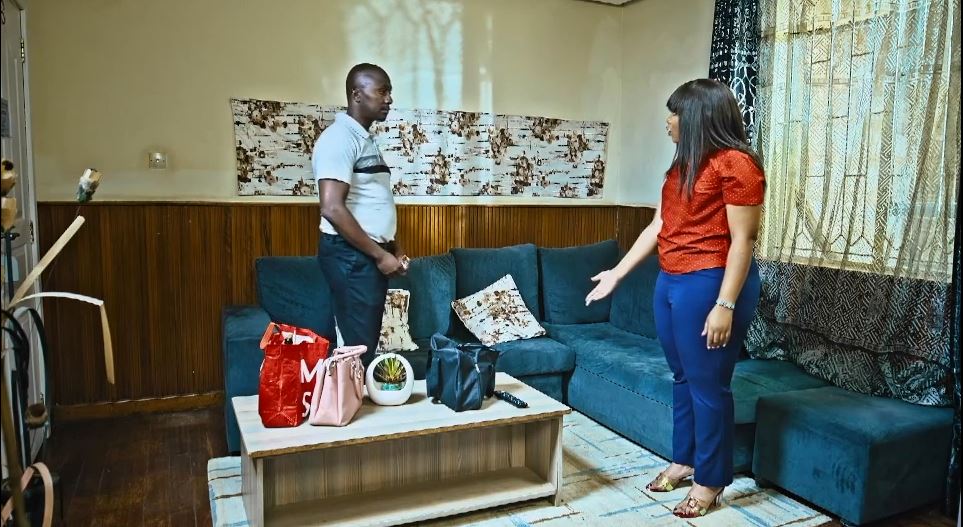
AYANA CITIZEN TV 23RD FEBRUARY 2026 MONDAY PART 1 AND PART 2 FULL EPISODE COMBINED

Essential Electronics for Remote Learning in Kenya: Laptops, Tablets, Routers, Webcams & Headphones – A 2026 Parent’s Practical Guide

Remote and hybrid learning remains part of life for many Kenyan students in 2026. Whether your child attends a private school with regular online sessions, participates in CBC digital assignments, prepares for national exams through revision platforms, or supplements classroom time with YouTube tutorials and EduAfya, reliable electronics at home are no longer optional — they directly affect academic performance and confidence.

Yet for millions of parents — especially in middle-income estates, peri-urban areas, and rural-adjacent towns — the cost of equipping one or more children feels overwhelming. Internet drops mid-lesson, shared family laptops slow to a crawl, cheap headphones leak sound during group calls, and power cuts interrupt everything.

This guide cuts through the confusion. It lists the must-have devices, realistic 2026 price ranges, connectivity realities, affordability strategies, and practical ways to make smart, lasting choices without going into debt.

The Core Five: What Your Child Really Needs for Effective Remote Learning

  1. Laptop or Tablet (the learning hub)
    Minimum: 8–16 GB RAM, 256–512 GB storage (SSD preferred), Intel i3/Ryzen 3 or better, 11–14 inch screen.
  • Budget tablet (Lenovo Tab M8/M9, Samsung Galaxy Tab A9, Xiaomi Redmi Pad SE): KSh 18,000–35,000
  • Budget laptop (HP 250 G9, Lenovo IdeaPad 1/3, Acer Aspire 3 refurbished or new entry-level): KSh 38,000–65,000
  • Mid-range reliable (Lenovo IdeaPad Slim 3, HP 15s, ASUS VivoBook 14/15): KSh 70,000–110,000 Tablets work well for primary/lower-secondary (reading PDFs, watching videos, light apps). Laptops become essential for upper-secondary and university-level work (Microsoft Office, research, multiple tabs, file management).
  1. Router / Reliable Internet Device
  • 4G/5G home router (Safaricom, Airtel, Faiba): KSh 2,500–8,000 + monthly data
  • Dual-band Wi-Fi 6 router if you already have fibre: KSh 4,000–12,000 Aim for at least 20–30 Mbps consistent download for Zoom/Google Meet + multiple devices. 5G routers deliver the best value in estates with good coverage.
  1. Webcam
  • Built-in laptop/tablet camera often sufficient for primary/secondary.
  • External 1080p webcam (Logitech C270/C310, generic brands): KSh 1,500–5,000
  • Better low-light performance (Logitech C920 series): KSh 8,000–12,000 Clear video = better teacher attention and less embarrassment for shy students.
  1. Headphones / Earbuds with Microphone
  • Wired over-ear (basic): KSh 800–2,500
  • Wireless earbuds with mic (Oraimo, Anker Soundcore, JBL): KSh 3,000–8,000
  • Over-ear wireless with good mic (Anker Q30/Q45, JBL Tune series): KSh 6,000–15,000 Noise-cancelling or good passive isolation helps in noisy estates or shared rooms.
  1. Power Backup (UPS or small inverter)
  • 650–1000 VA UPS (enough for laptop + router + light): KSh 8,000–18,000
  • Small solar kit (panel + battery + inverter): KSh 60,000–150,000 (long-term play) Critical during load-shedding or frequent outages.

Affordability Challenges & Realistic Budgets

Typical family budgets (2026)

  • Primary school child: KSh 30,000–70,000 total (tablet + earbuds + basic router)
  • Secondary school student: KSh 60,000–120,000 (laptop + webcam + headphones + UPS)
  • Two-school-age children sharing: KSh 100,000–180,000 (one laptop + one tablet + shared router & UPS)

Strategies to make it affordable

  • Start with one good device and share → upgrade gradually.
  • Buy refurbished/certified refurbished laptops (KSh 35,000–65,000 for solid Core i5/8–16 GB units).
  • Use Lipa Mdogo Mdogo / hire purchase from Hotpoint, Phone Place, Jumia, or banks (0% interest promos common).
  • Prioritize: laptop/tablet > reliable internet > headset > backup power.
  • Look for back-to-school bundles (Jumia, Kilimall, Naivas) in January–March.

Connectivity Challenges & Realistic Expectations

  • Urban estates with fibre (Safaricom Home, Zuku, Starlink mini in some areas): 20–100 Mbps → ideal for 4K lessons, multiple children online.
  • 4G/5G home routers → 15–60 Mbps in good coverage → sufficient for Zoom + browsing.
  • Budget data reality → 50–100 GB/month per child is common for full remote/hybrid learning.

Tips

  • Place router centrally, high up, away from walls/microwaves.
  • Use 5 GHz band when possible for less interference.
  • Have a mobile hotspot backup for outages.

Practical Advice for Parents

  1. Buy from trusted sellers — Jumia/Kilimall official stores, Phone Place Kenya, ValueHub, Hotpoint, brand outlets. Avoid suspiciously cheap street deals.
  2. Prioritize RAM & SSD — 8 GB minimum, SSD over HDD — biggest performance difference.
  3. Test before committing — Especially refurbished laptops: boot speed, keyboard, screen, battery health.
  4. Get a stabilizer/UPS first — Protects investment from surges and outages.
  5. Set ground rules — Dedicated study time, no gaming during school hours, shared charging schedule.
  6. Future-proof slightly — Spend a bit more on 16 GB RAM / 512 GB SSD if possible — lasts longer into university.

Remote learning isn’t going away soon, and neither are power cuts or tight budgets. The good news? A thoughtful KSh 60,000–120,000 investment per child — spread over time — equips them to learn effectively, stay competitive, and build digital confidence.

You don’t need the most expensive gear — you need reliable gear that works when school starts and stays working through exam season. Start with the device your child uses most, add connectivity and audio, protect the setup with backup power, and watch how much smoother learning becomes.

Which device is your biggest remote-learning bottleneck right now? Share in the comments — other parents are facing the same questions! 💻📚

AYANA CITIZEN TV 23RD FEBRUARY 2026 MONDAY PART 1 AND PART 2 FULL EPISODE COMBINED

LULU MAISHA MAGIC PLUS SEASON 1 EPISODE 211 FRIDAY FEBRUARY 20TH 2026 FULL EPISODE

Locally Assembled vs Imported Electronics in Kenya: Which Offers Better Value, Warranty & Reliability in 2026?

Kenyan consumers face a clear fork in the road every time they shop for a smartphone, television, laptop, refrigerator, air conditioner or washing machine: buy a locally assembled product (often carrying familiar brand names like Ramtons, Vitron, Bruhm, Von, or brands assembled by local partners) or choose a fully imported model from Samsung, LG, Hisense, TCL, Xiaomi, Tecno, Infinix or others.

Both paths have grown significantly stronger in recent years. Local assembly has expanded dramatically thanks to government incentives (tax breaks, import-duty exemptions on CKD/SKD kits), while imported finished goods remain dominant in the premium and mid-range segments. The decision now comes down to four practical questions most buyers ask:

  • How much cheaper is the local option really?
  • Will the warranty actually protect me?
  • Can I easily get spare parts in 1–3 years?
  • Does “Made in Kenya” mean lower quality?

This article compares the two categories across pricing, warranty experience, spare-parts reality, perceived quality, and long-term ownership — all based on real 2026 market conditions in Nairobi, Mombasa, Kisumu, Nakuru and other urban centres.

1. Pricing – The Most Visible Difference

Locally assembled products usually cost 15–40% less than equivalent imported finished goods.

Typical 2026 price examples (mid-range segment)

  • 43-inch 4K smart TV
    Imported (Hisense/TCL/Samsung): KSh 38,000–55,000
    Locally assembled (Vitron/Ramtons/Von): KSh 25,000–38,000 → 25–35% savings
  • 190–250 L double-door fridge
    Imported (LG/Hisense): KSh 55,000–85,000
    Locally assembled (Ramtons/Bruhm/Mika): KSh 38,000–60,000 → 25–35% savings
  • 7–8 kg front-load washing machine
    Imported (LG/Samsung): KSh 85,000–130,000
    Locally assembled (Ramtons/Von): KSh 55,000–85,000 → 30–40% savings
  • Mid-range smartphone (6–8 GB RAM, 128 GB storage)
    Imported (Samsung A-series / Xiaomi): KSh 28,000–45,000
    Locally assembled or rebranded (various): KSh 18,000–32,000 → 25–40% savings

The price gap is largest on larger appliances (fridges, TVs, washers) where shipping and import duties hit hardest, and smallest on phones where local brands compete aggressively on specs.

2. Warranty – Promises vs Real-World Experience

Imported brands usually advertise 1–2 years full warranty + 5–10 years on compressors (fridges/ACs) or panels (TVs). Service centres in major towns are well-stocked, though rural customers often face long waits for parts or travel costs.

Locally assembled products typically carry 1-year full warranties. Some brands (Ramtons, Vitron) have improved after-sales networks significantly, with authorised service points in most counties. However, many consumers still report:

  • Longer wait times for parts on local models
  • More variable technician quality
  • Weaker enforcement of warranty terms in smaller towns

Verdict in 2026: Imported brands generally offer stronger perceived warranty reliability, especially for high-value items, but the gap has narrowed as local brands invest in service networks.

3. Spare Parts Availability – The Deciding Factor for Longevity

This is where many buyers feel the biggest difference after 2–3 years.

  • Imported brands → Spare parts (screens, motherboards, compressors, control boards) remain relatively available through authorised dealers, even 4–7 years after launch. Prices are higher but genuine.
  • Locally assembled → Parts availability is improving rapidly for popular models, but older or low-volume lines can become difficult to service after 2–3 years. Some consumers end up cannibalising other units or settling for non-genuine parts.

Real consumer sentiment (2026)
Many say: “If I want the fridge/TV to last 8–12 years, I pay extra for LG/Hisense/Samsung because parts will still be around in 2032. For 4–7 years of good use, Ramtons/Vitron/Von gives excellent value.”

4. Quality Perception & Real-World Performance

Perceptions are shifting — but slowly.

  • Imported brands still enjoy a strong “premium = reliable” halo, especially for electronics with complex internals (smart TVs, inverter fridges/ACs, smartphones).
  • Locally assembled products have closed much of the quality gap on basic performance (cooling, picture quality, washing efficiency). Many now use the same compressors, panels and chipsets as some imported lines.

Common real-world observations:

  • Local models can be noisier or less energy-efficient in the entry-level segment.
  • Build quality (door seals, cabinet strength, remote durability) still lags slightly behind mid-range imports.
  • After-sales experience varies widely by brand and location.

Who Should Choose Locally Assembled vs Imported?

Choose locally assembled if:

  • Your budget is tight and you want the biggest appliance possible
  • You plan to keep the product 4–7 years max
  • You live in/near a major town with good service coverage
  • You’re buying mid-range or entry-level (fridge < KSh 60,000, TV < KSh 40,000)

Choose imported if:

  • You want the device to last 8–12+ years with minimal hassle
  • You’re buying mid-to-premium segment (fridge > KSh 70,000, TV > KSh 50,000)
  • You value quieter operation, better energy efficiency, or advanced features (inverter tech, smart features)
  • You live in a rural/peri-urban area where service is harder to access

Hybrid strategy (most common among savvy buyers):

  • Buy premium imported for the fridge and TV (long life, high usage)
  • Buy locally assembled for washing machine, microwave, smaller appliances (shorter replacement cycle)

Final Buying Advice for 2026

  1. Always check the warranty card and authorised service list before purchase.
  2. Ask the seller: “Where do I get genuine parts in 3 years?” Good shops will answer honestly.
  3. Read recent Kenyan reviews (YouTube, Facebook groups, Jiji comments) — real users reveal the truth.
  4. Prioritise inverter/direct-drive models (fridges, washers, ACs) — they handle voltage fluctuations better and last longer.
  5. Buy from reputable dealers (Hotpoint, Housewife’s Paradise, Naivas, Carrefour, brand outlets, Jumia official stores) — avoid suspiciously cheap street deals.

Kenya’s local assembly push is delivering real value and jobs, but imported brands still hold the edge on long-term peace of mind. The best choice is the one that matches your budget, usage timeline, and access to service — not the one with the loudest advert.

Which side are you leaning toward for your next big appliance — local or imported? Share your reasoning in the comments! 🏭📺❄️

LULU MAISHA MAGIC PLUS SEASON 1 EPISODE 211 FRIDAY FEBRUARY 20TH 2026 FULL EPISODE

NEXT ON LULU MAISHA MAGIC PLUS SEASON 1 EPISODE 211 FRIDAY FEBRUARY 20TH 2026 FULL EPISODE

Smart Lighting Revolution in Kenyan Urban Estates: Why Smart Bulbs, Motion Sensors & Automated Systems Are Taking Over in 2026

Walk into almost any modern apartment block in Westlands, Kilimani, Kileleshwa, Lavington, or the newer estates in Kiambu Road, Ruaka, Thika Road, and Ongata Rongai these days and you’ll notice something different: lights that turn on when you enter the room, dim automatically in the evening, switch off when no one is around — and your electricity token lasts noticeably longer.

Smart bulbs, motion-sensor lights, and fully automated lighting systems have moved from “nice-to-have” gadget territory into mainstream home upgrades across Kenya’s urban middle-class estates. What started as a few tech-savvy early adopters installing Philips Hue or Xiaomi Yeelight bulbs has become a practical lifestyle choice for thousands of families.

Why Smart Lighting Is Exploding in Kenyan Cities Right Now

Several forces converged perfectly in 2025–2026:

  • Electricity tariffs remain high and variable → every saved unit counts.
  • Prepaid metering makes consumption very visible → people notice when lights left on waste tokens.
  • Security concerns in estates → motion-activated outdoor and corridor lights deter intruders.
  • Rising middle-class disposable income + availability of affordable Chinese brands.
  • Easy plug-and-play installation → no rewiring needed in most apartments.
  • Voice control & app scheduling fit perfectly with Kenya’s mobile-first lifestyle.

The result: smart lighting is no longer seen as a luxury import — it’s viewed as a smart, money-saving home improvement.

Energy Efficiency: The Numbers That Matter

Traditional incandescent or even CFL bulbs waste a lot of power as heat. Modern LED smart bulbs use 80–90% less electricity than old incandescents and 50–70% less than standard LEDs when paired with automation.

Realistic Kenyan examples:

  • Leaving a 60W incandescent bulb on 5 hours/day → ~9 kWh/month
  • Same usage with 9W smart LED → ~1.35 kWh/month
  • Add motion sensors or schedules → actual usage drops another 40–70%

Many households report saving 15–35% on lighting-related consumption after switching to smart + sensor-controlled systems — especially impactful in corridors, stairwells, bathrooms, and outdoor security lights that used to stay on all night.

Installation Costs & Realistic Pricing (February 2026)

Smart Bulbs

  • Budget Wi-Fi LED bulbs (Xiaomi Yeelight, Tuya/Smart Life brands): KSh 800–2,200 per bulb
  • Mid-range (TP-Link Tapo, Philips Wiz): KSh 2,000–4,000
  • Premium (Philips Hue): KSh 4,500–7,500

Motion Sensors

  • Battery-powered indoor PIR sensors (Tuya, Xiaomi): KSh 1,200–3,500
  • Hard-wired or plug-in models: KSh 2,500–6,000

Automated Systems

  • Basic starter kit (2–4 smart bulbs + hub + motion sensor): KSh 8,000–20,000
  • Full apartment setup (10–15 bulbs + sensors + smart switches): KSh 25,000–60,000

Installation
Most systems are DIY plug-and-play (screw in bulb, download app, connect to Wi-Fi).
Hard-wired smart switches or outdoor floodlights with motion sensors usually need an electrician → KSh 3,000–8,000 total labour.

Compatibility with Kenyan Wiring & Practical Considerations

Good news: most smart bulbs and sensors work perfectly with Kenya’s standard 220–240 V sockets and wiring — no rewiring required.

Key compatibility points:

  • Almost all smart bulbs fit standard E27 or B22 sockets (check before buying).
  • Wi-Fi-based systems (Tuya, Tapo, Yeelight) need stable 2.4 GHz Wi-Fi (not 5 GHz).
  • No neutral wire needed for most smart bulbs (unlike some smart switches in Europe/US).
  • Works with prepaid meters — no extra load issues.

Climate & durability notes

  • Coastal humidity (Mombasa, Malindi) → choose IP-rated outdoor sensors/floodlights.
  • Dust in drier areas → clean bulbs/sensors every 3–6 months.
  • Power surges → always use surge protectors on Wi-Fi hubs and any plugged-in controllers.

Long-Term Savings & Payback Period

Quick example calculation (Nairobi estate apartment, 2026 tariffs ~KSh 22–26/kWh average):

  • 8 regular LED bulbs left on 6 hours/day → ~1.2 kWh/day → ~KSh 800–1,000/month
  • Same usage with smart bulbs + motion sensors/schedules → ~0.3–0.5 kWh/day → ~KSh 200–400/month

Monthly saving: KSh 400–800
Annual saving: KSh 4,800–9,600

A KSh 25,000 full-apartment smart lighting setup pays for itself in 2.5–5 years — then continues saving for the 10–15 year life of quality LED bulbs.

Add security benefits (motion lights deter intruders) and convenience (never enter a dark house again) and the value becomes even clearer.

Practical Advice for Beginners

  1. Start small → Buy 2–4 smart bulbs + one motion sensor for KSh 5,000–12,000. Test for a month.
  2. Choose ecosystems wisely → Tuya/Smart Life (cheapest, huge device choice), TP-Link Tapo (reliable), Xiaomi Yeelight (great app) all work well in Kenya.
  3. Prioritize security & convenience first → Corridor, staircase, balcony, bathroom, and outdoor sensor lights give quickest ROI.
  4. Use surge protection → Plug hubs and any wired controllers into quality surge strips.
  5. Control options → App + voice (Google Home, Alexa) + physical switches (smart switches or scene controllers) for backup during Wi-Fi outages.
  6. Buy from trusted sellers → Jumia official stores, Kilimall verified sellers, local electronics shops with good reviews — avoid suspiciously cheap no-name bulbs.

Kenya’s urban estates are going smarter one bulb at a time — not because it’s trendy, but because it saves money, adds security, and makes daily life more convenient.

Whether you live in a bedsitter or a family maisonette, a few smart bulbs and sensors can transform how you experience your home — and your electricity token lasts longer.

Ready to start? Grab one smart bulb this weekend and see the difference yourself. Which room in your house needs smarter lighting first? Share in the comments! 💡🏠

NEXT ON LULU MAISHA MAGIC PLUS SEASON 1 EPISODE 211 FRIDAY FEBRUARY 20TH 2026 FULL EPISODE

NEXT ON LAZIZI MAISHA MAGIC PLUS SEASON 1 EPISODE 101 MONDAY FEBRUARY 23RD 2026

Should Kenyans Insure Expensive Electronics Like Smartphones, Laptops, and TVs? A 2026 Guide to Coverage, Costs, Risks & Smart Protection

In Kenya today, a high-end smartphone can cost KSh 80,000–150,000, a decent laptop KSh 60,000–150,000, and a 55-inch 4K smart TV KSh 50,000–120,000. These are significant investments for many households — especially middle-class families in Nairobi, Mombasa, Kisumu, or Nakuru estates who rely on these devices for work, school, entertainment, and staying connected.

Yet every day, phones are snatched in matatu rides, laptops are damaged by power surges, and TVs suffer from accidental knocks or liquid spills. The question many ask is straightforward: Is it worth insuring these gadgets, or is it better to self-insure and save the premium?

The short answer: It depends on your device value, usage patterns, lifestyle risks, and peace-of-mind needs — but for mid-to-high-value electronics, targeted gadget insurance (often called All Risks or Portable Electronics cover) can make strong financial sense in 2026.

How Electronics Insurance Works in Kenya

Electronics insurance in Kenya usually falls under All Risks policies (also called Portable Possessions or Personal Effects cover). These are offered as add-ons to home insurance or as standalone gadget plans by most major insurers.

Typical providers in 2026 include:

  • Madison Insurance
  • Pioneer Assurance
  • Jubilee Insurance
  • Britam
  • APA Insurance
  • Liberty Kenya
  • Mayfair Insurance
  • Old Mutual

What it generally covers:

  • Accidental physical damage (drops, spills, cracks)
  • Theft (with police abstract required)
  • Fire, lightning, explosion
  • Burglary (often with forced-entry proof)
  • Sometimes extended to cover loss of data/media reproduction costs (for laptops)

Common exclusions (what is NOT covered):

  • Wear and tear, gradual deterioration, mechanical/electrical breakdown
  • Cosmetic damage (scratches that don’t affect function)
  • Intentional damage or gross negligence
  • Theft without visible forced entry (e.g., snatched phone)
  • Loss/misplacement (not theft)
  • Damage during repair/cleaning
  • War, terrorism, nuclear risks
  • Consequential losses (e.g., business interruption)

Claims process (typical steps):

  1. Report incident immediately (theft to police + insurer within 24–48 hours).
  2. Submit claim form + supporting docs: police abstract (for theft), purchase receipt/invoice, photos of damage, repair estimate.
  3. Insurer assesses (may send surveyor), approves or rejects.
  4. Settlement: cash payout (depreciated value) or repair/replacement (depending on policy wording).

Important note: Many policies depreciate payout (e.g., 20–30% per year of age), so a 2-year-old phone may only get 50–60% of original value back.

Costs vs Risks: Is It Worth It?

Typical premium costs (2026 estimates, approximate annual rates):

  • Smartphone (KSh 50,000–120,000 value): KSh 3,000–8,000/year (~3–7% of value)
  • Laptop (KSh 60,000–150,000): KSh 4,000–12,000/year
  • TV (KSh 50,000–150,000): KSh 3,500–10,000/year

Premiums are usually 3–8% of insured value per year, depending on insurer, device type, coverage limits, deductible (excess), and add-ons (theft vs accidental damage only).

When insurance makes strong sense:

  • You own high-value devices (flagship phone > KSh 80,000, gaming laptop, large OLED TV).
  • You’re in high-risk areas (urban theft hotspots, frequent travel).
  • You have children/teens who use the devices (higher accidental damage risk).
  • You rely on the device for work/income (e.g., freelancer laptop).
  • You want peace of mind and fast replacement after loss.

When it may not be worth it:

  • Low-value devices (< KSh 20,000–30,000).
  • Very careful owners with low-risk lifestyles.
  • You already have strong home contents/all-risks cover that includes gadgets.
  • You can comfortably self-fund a replacement.

Realistic break-even math
If you pay KSh 6,000/year premium for a KSh 100,000 phone and claim once in 5 years (KSh 60,000 payout after depreciation/excess), you’re ahead. If you never claim, it’s a net cost — but that’s the nature of insurance: protection against the “what if”.

Practical Tips to Protect Devices (Insurance or Not)

Even with insurance, prevention is cheaper than claims.

Against theft:

  • Use strong screen locks + biometric authentication.
  • Enable remote tracking/wipe (Find My Device, iCloud).
  • Avoid flashing expensive phones in public.
  • Consider anti-theft cases or trackers (e.g., Apple AirTag equivalents ~KSh 3,000–5,000).

Against accidental damage:

  • Invest in quality cases/screen protectors (KSh 1,000–5,000).
  • Use surge protectors/stabilizers (KSh 2,000–6,000) for TVs/laptops.
  • Avoid eating/drinking near devices.
  • For laptops: use cooling pads in hot Kenyan weather.

Against power surges (very common in Kenya):

  • Always use good surge protectors (not cheap multi-plugs).
  • For TVs/fridges/laptops: consider dedicated voltage stabilizers (KSh 3,000–10,000).

Insurance shopping tips:

  • Compare quotes from multiple insurers (Madison, Pioneer, Jubilee, Britam, APA).
  • Read exclusions carefully — especially theft proof requirements.
  • Ask about depreciation rules and excess (deductible).
  • Check claim settlement reputation (some insurers are faster/fairer).
  • Consider bundling with home contents insurance for discounts.

In Kenya’s fast-moving, mobile-first world, expensive electronics are both tools and status symbols. Insurance isn’t mandatory, but for many it’s a sensible safety net — especially when replacing a damaged or stolen device could wipe out months of savings.

Whether you choose to insure or focus on prevention (or both), the key is awareness: understand your risks, read the fine print, and protect what matters most.

Do you insure your phone, laptop, or TV? Why or why not? Share your experience in the comments — it helps others decide! 📱💻📺

NEXT ON LAZIZI MAISHA MAGIC PLUS SEASON 1 EPISODE 101 MONDAY FEBRUARY 23RD 2026

LAZIZI MAISHA MAGIC PLUS SEASON 1 EPISODE 100 FRIDAY FEBRUARY 12TH 2026

Portable Projectors, Interactive Screens & Wireless Presentation Devices Transforming Kenya’s Offices, Churches & Schools in 2026

In bustling Nairobi boardrooms, village school classrooms in rural counties, and lively Sunday services across Kisumu and Mombasa, one thing has become clear: static presentations are fading fast. Today’s meetings, lessons, sermons, and workshops come alive with crisp projections, touch-enabled displays, and seamless wireless sharing.

Portable projectors beam slides or videos anywhere without cables, interactive screens turn passive whiteboards into collaborative digital canvases, and wireless presentation dongles eliminate the frantic HDMI cable hunt. These tools are no longer luxuries — they’re becoming essential for productivity, engagement, and modern communication in Kenya’s professional, educational, and faith-based spaces.

Why These Devices Are Gaining Rapid Popularity

Several forces converged in recent years:

  • Hybrid work and blended learning demand flexible, mobile presentation tools.
  • Churches and schools want more interactive, visually rich experiences for younger audiences.
  • Budget-friendly Chinese brands (combined with established names like Epson, ViewSonic, BenQ) have brought high-lumens projectors and touchscreens within reach.
  • Wireless standards (Miracast, AirPlay, Chromecast) make sharing effortless across laptops, phones, and tablets.
  • Post-pandemic emphasis on hygiene and minimal contact accelerated cord-free solutions.

The result: offices run smoother meetings, churches deliver more engaging sermons, and schools foster collaborative learning — all without the old tangle of cables and setup delays.

Comparing Budget vs Premium Options

Portable Projectors

Budget range (KSh 8,000 – 35,000)

  • Common models: HY300 series, Borrego Smart10, various LED mini projectors (720p–1080p native)
  • Brightness: 100–300 ANSI lumens (claimed higher but real-world ~150–250)
  • Best for: Small classrooms (10–20 people), dim church halls, home offices
  • Drawbacks: Washed-out image in daylight, shorter lamp life (20,000–30,000 hours LED), basic speakers

Premium range (KSh 50,000 – 150,000+)

  • Common models: Epson EB-series (short-throw), ViewSonic M1+/M2e, BenQ GV30/GV31, XGIMI MoGo series
  • Brightness: 1,000–4,600 ANSI lumens (true measured values)
  • Best for: Well-lit offices/conference rooms, medium-large churches, schools with 30+ students
  • Advantages: Laser/LED long-life sources, better color accuracy, Android TV/smart OS, louder built-in audio

Brightness Recommendation for Kenya

  • Dim indoor spaces (evening church service, small office): 500–1,500 lumens
  • Daytime or semi-lit rooms (classrooms, conference halls): 2,500–4,000+ lumens
  • Avoid sub-300 real ANSI models for anything beyond very dark environments — Kenya’s bright sunlight and fluorescent offices wash them out quickly.

Interactive Screens / Interactive Flat Panels (Smart Whiteboards)

Budget range (KSh 150,000 – 400,000)

  • Common sizes: 55–75 inch 4K
  • Brands: Dahua, various Chinese OEMs
  • Features: Basic touch (10–20 points), Android OS, whiteboard software
  • Best for: Small-medium schools and churches upgrading from chalkboards

Premium range (KSh 400,000 – 1,200,000+)

  • Common sizes: 75–86 inch 4K
  • Brands: Dahua HiBoard, Hikvision, OneScreen, SMART Board equivalents
  • Features: 20–40 touch points, Windows/Android dual OS, wireless sharing, annotation tools, built-in cameras/speakers
  • Best for: Corporate boardrooms, universities, larger churches with live streaming

Wireless Presentation Devices (Miracast / AirPlay / Chromecast dongles)

Budget range (KSh 1,500 – 5,000)

  • Common models: Anycast M9/Miracast dongles, generic HDMI wireless adapters
  • Best for: Quick screen mirroring from phones/laptops in small meetings

Premium range (KSh 8,000 – 25,000)

  • Common models: EZCast Pro, Barco ClickShare, Mersive Solstice pods
  • Best for: Corporate boardrooms needing multi-user, secure, stable connections

Key Buying Considerations for Kenya’s Climate & Usage

Brightness (Lumens)
Kenya’s strong daylight and bright indoor lighting demand higher lumens than many global guides suggest:

  • Small dark rooms → 1,000–2,000 lumens
  • Classrooms/offices with windows → 3,000–4,500 lumens
  • Large halls/churches → 5,000+ lumens (or laser projectors)

Durability in Heat, Dust & Humidity

  • Prefer LED or laser light sources over traditional lamps (longer life, less heat, no bulb replacement every 2–4 years).
  • Choose models with sealed optics to resist dust (common in dry counties).
  • Coastal humidity → look for good ventilation and avoid enclosed spaces.

Compatibility

  • Ensure Miracast (Android), AirPlay (iOS), and Chromecast support for wireless sharing.
  • HDMI + USB inputs for laptops and memory sticks.
  • Interactive screens → check Windows/Android dual-boot for flexibility.

Cost Estimates Summary (2026 Kenya Retail Averages)

  • Portable projectors: Budget KSh 8,000–35,000 | Mid KSh 40,000–80,000 | Premium KSh 80,000–200,000+
  • Interactive screens: 55–65″ KSh 150,000–500,000 | 75–86″ KSh 400,000–1,200,000+
  • Wireless dongles: Basic KSh 1,500–5,000 | Pro KSh 8,000–30,000

Practical Tips for Offices, Churches & Schools

  • Start small → A KSh 20,000–40,000 portable projector + KSh 3,000 dongle transforms most meetings/sermons/classes.
  • Match lumens to room → Test in actual space if possible (daylight vs evening).
  • Prioritize LED/laser → No lamp replacements save thousands long-term.
  • For churches/schools → Look for interactive screens with built-in whiteboard software and multi-user touch.
  • Offices → Wireless presentation + soundbar combo elevates client pitches and team collaboration.

Kenya’s offices, churches, and schools are embracing these tools not as luxuries, but as practical ways to engage, teach, and collaborate more effectively. Whether you’re projecting a sermon to 500 people, annotating math problems with students, or sharing slides wirelessly in a boardroom, the right device makes the difference between ordinary and impactful.

Ready to upgrade your space? Start by assessing your room lighting and audience size — the perfect solution is closer (and more affordable) than you think.

What presentation challenge are you facing right now? Share in the comments — let’s find the right tool for you! 📽️🖥️

LAZIZI MAISHA MAGIC PLUS SEASON 1 EPISODE 100 FRIDAY FEBRUARY 12TH 2026

KISII MAN ENJOYING SIM 2 IN THE BUSH

WATCH IT HERE

Why Love Thrives in the Countryside

Romance doesn’t require candlelit restaurants or luxury getaways. Sometimes, it flourishes best in wide fields, under open skies, and within the simplicity of countryside life. Rural romance offers unique psychological and relational benefits that can support long-term emotional health.

Fewer Distractions, More Presence

Modern relationships often struggle with digital distractions. In rural settings, couples may naturally experience fewer interruptions from crowded nightlife or constant social obligations. This allows partners to be more present with one another. Quality time—sharing meals, talking on porches, or walking through fields—becomes the foundation of intimacy.

Emotional Safety and Stability

Rural environments often promote a sense of calm and predictability. Familiar surroundings and close-knit communities can create emotional stability. When individuals feel safe in their environment, they are better able to open up emotionally, express vulnerability, and build deeper trust with their partner.

Appreciation for Simplicity

In rural life, joy often comes from simple pleasures: a shared laugh after a long day, cooking together, or enjoying quiet evenings under the stars. This simplicity can reduce material pressures that sometimes strain relationships. Instead of focusing on external validation, couples may focus more on shared values and emotional connection.

Stronger Communication

Without constant noise and overstimulation, couples may find it easier to communicate openly. Rural life often encourages face-to-face conversations and collaborative problem-solving. Healthy communication patterns are one of the strongest predictors of relationship success, and the countryside provides space for those patterns to develop.

Grounded, Long-Term Commitment

Rural romance often emphasizes stability and long-term partnership. Many countryside relationships are built around shared futures—land, family, and community roots. This forward-looking mindset encourages commitment, patience, and resilience during difficult times.

Ultimately, rural romance demonstrates that healthy love doesn’t depend on glamour. It thrives in authenticity, shared purpose, and the steady rhythm of everyday life. In the quiet strength of the countryside, many couples find not only romance—but lasting emotional well-being.

MRS. GARCÍA AND HER DAUGHTERS WEDNESDAY 25TH FEBRUARY 2026 FULL EPISODE PART 1 AND PART 2 COMBINED

Modern Medical Electronics Transforming Healthcare in Kenya: Digital Thermometers, Ultrasound Machines, Patient Monitors & Diagnostic Tools in 2026

In Kenya’s healthcare landscape, a quiet but powerful shift is underway. Rural health centers in Machakos and Kitui now use portable ultrasound devices to monitor pregnancies without sending mothers hours away to district hospitals. Urban facilities in Nairobi and Kisumu rely on networked patient monitoring systems to track vital signs in real time, allowing nurses to respond faster to critical changes. Even small clinics are adopting digital thermometers and basic diagnostic kits that provide instant, accurate readings instead of relying on mercury-based or outdated tools.

These advancements—driven by digital thermometers, ultrasound machines, patient monitoring systems, and other diagnostic electronics—are improving accuracy, speed, and access to care across the country. They save lives by enabling earlier detection, reduce unnecessary referrals, and help overstretched clinicians manage more patients effectively. Yet the journey is far from smooth: hospitals, especially in rural counties, face persistent challenges in acquiring, installing, and maintaining this equipment.

How These Technologies Are Improving Patient Care & Efficiency

Digital Thermometers
Modern infrared and digital models deliver readings in seconds with minimal contact, reducing cross-infection risk and improving workflow in busy outpatient departments. They are especially valuable during outbreaks or in pediatric and maternity wards.

Ultrasound Machines
Portable and handheld ultrasound devices (often AI-assisted) have become game-changers in maternal and emergency care. They allow rapid assessment of pregnancies, abdominal issues, cardiac conditions, and trauma without radiation exposure. In rural settings, non-specialist clinicians can use AI-guided systems to capture diagnostic-quality images, supporting timely referrals or local management.

Patient Monitoring Systems
Multi-parameter monitors track heart rate, blood pressure, oxygen saturation, respiration, and temperature continuously. In higher-level facilities, networked systems send alerts to nurses’ stations or mobile devices, enabling proactive intervention and reducing response times in critical care, post-operative wards, and during labor.

Other Diagnostic Equipment
Point-of-care tools (blood glucose meters, hemoglobin analyzers, ECG machines) bring lab-level diagnostics closer to the patient, cutting turnaround times from days to minutes. This is particularly impactful in managing non-communicable diseases like diabetes and hypertension, which are rising rapidly.

Together, these devices enhance diagnostic accuracy, reduce diagnostic delays, improve infection control, and allow clinicians to focus more on patient interaction rather than manual charting or waiting for results.

Challenges in Acquiring & Maintaining Medical Electronics

Despite the benefits, adoption faces serious barriers, especially in rural and county-level facilities:

Acquisition Challenges

  • High upfront costs — Even basic ultrasound units cost tens of thousands of dollars; advanced patient monitors run into hundreds of thousands.
  • Import dependency — Most high-end diagnostic equipment comes from the US, Europe, China, or India, with long procurement timelines, customs delays, and currency fluctuations.
  • Uneven distribution — Urban national and private hospitals (e.g., Kenyatta National, Aga Khan) acquire faster; rural and sub-county facilities often wait years or receive donated equipment that may not match local needs.
  • Procurement bureaucracy — Complex tender processes, inadequate needs assessments, and budget constraints slow progress.

Maintenance & Sustainability Issues

  • Inadequate technical capacity — Many rural hospitals lack trained biomedical engineers or technicians; equipment sits unused when minor faults occur.
  • Spare parts & service delays — Imported machines face long waits for parts; some donations come without long-term support contracts.
  • Power instability — Voltage fluctuations and outages damage sensitive electronics unless protected by stabilizers or UPS systems.
  • Poor maintenance culture — Budgets prioritize new purchases over ongoing servicing, leading to high breakdown rates (some studies estimate 50–80% of equipment non-functional in resource-limited settings).

These challenges widen the urban-rural divide: Nairobi hospitals often have modern ultrasound and monitoring systems, while many rural facilities still rely on basic manual tools.

The Path Forward: Practical Steps & Hopeful Trends

Kenya is making progress through:

  • Government and donor initiatives (e.g., Managed Equipment Services pilots, solar-powered equipment for rural areas).
  • Local assembly and repair training programs.
  • Affordable, rugged, portable devices designed for low-resource settings (handheld ultrasound, solar-compatible monitors).
  • Digital health integration (tele-ultrasound, remote monitoring) to extend specialist reach.

For hospitals and county governments:

  • Prioritize needs assessments before procurement.
  • Invest in biomedical technician training and maintenance contracts.
  • Pair equipment with reliable power solutions (solar + inverters).
  • Focus on durable, low-maintenance, locally serviceable devices.

For patients and communities: these technologies mean earlier diagnosis, safer deliveries, better chronic disease management, and fewer unnecessary trips to distant hospitals.

Kenya’s healthcare future is digital and diagnostic — and while challenges remain, every new ultrasound scan in a rural clinic or real-time monitor alert in a county ward brings the country closer to equitable, efficient care for all.

What medical technology change have you seen in your local hospital or clinic? Share your experience below — your story could highlight where progress is happening! 🩺📱

MRS. GARCÍA AND HER DAUGHTERS WEDNESDAY 25TH FEBRUARY 2026 FULL EPISODE PART 1 AND PART 2 COMBINED

JUA KALI MAISHA MAGIC PLUS ALHAMISI 19.02.2026

Smart Water Pumps, Borehole Controllers & Automated Sensors: Solving Kenya’s Water Scarcity Crisis in Machakos, Kitui, Nairobi & Beyond (2026 Guide)

In Kenya’s arid and semi-arid landscapes — especially Machakos, Kitui, Makueni, Kajiado, and even parts of peri-urban Nairobi — water scarcity has become a daily reality for millions of households and small-scale farmers. Rivers run dry for months, municipal supplies are erratic or contaminated, and manual borehole pumping is exhausting, expensive (diesel fuel), and unreliable during outages.

By early 2026, thousands of families and farms are turning to smart water pumps, borehole controllers, and automated water level sensors as practical, life-changing solutions. These electronics automatically manage water extraction, prevent dry-running damage, optimize usage, and — when paired with solar power — eliminate fuel bills entirely.

The result? More reliable water for homes, livestock, and irrigation; significant long-term savings; and greater resilience against drought and climate variability.

Why Demand Is Exploding in Water-Stressed Regions

Machakos, Kitui, and similar counties face chronic shortages: declining rainfall, over-exploited boreholes, high diesel costs for generators, and frequent power outages that stop electric pumps. Nairobi’s outskirts and satellite towns also suffer inconsistent municipal water, pushing many estates and institutions toward private boreholes.

Key drivers of the shift:

  • Rising diesel prices make fuel-powered pumps unsustainable.
  • Grid power unreliability forces costly backups or manual operation.
  • Climate change worsens dry spells, increasing the need for efficient water management.
  • Government and NGO programs (e.g., solar irrigation pilots, borehole rehabilitation) are promoting solar + smart controls.
  • Falling solar panel and lithium battery prices make off-grid systems viable.

Smallholders and homeowners now see these systems not as luxury tech, but as essential tools for survival and productivity.

How These Systems Work & Deliver Value

  • Smart water pumps — Often solar-powered submersible or surface pumps with built-in controllers. They adjust speed based on demand, include dry-run protection, low-water cutoff, and sometimes remote monitoring via mobile app.
  • Borehole controllers — Intelligent panels that monitor water levels (via float switches or ultrasonic/probe sensors), automatically start/stop the pump, protect against dry running, overcurrent, or voltage issues.
  • Automated water level sensors — Float switches, stainless steel probes, or ultrasonic sensors detect high/low levels in tanks or boreholes and trigger the pump or send alerts.

Benefits:

  • Prevent pump burnout (dry running is the #1 cause of failure).
  • Save water (no overflow waste).
  • Reduce electricity/fuel costs dramatically (solar = zero running cost).
  • Provide reliable supply even during blackouts or low grid voltage.

Installation Costs & Long-Term Savings (2026 Kenya Estimates)

Costs vary by borehole depth, pump capacity (0.5–5 HP typical), tank size, and solar vs. grid power.

Basic automated borehole controller + sensor setup (grid-powered):

  • Intelligent controller (dry-run + level protection): KSh 8,000–25,000
  • Water level sensor/probe (stainless steel or float): KSh 2,500–6,000
  • Installation (wiring, fittings): KSh 10,000–20,000
  • Total: KSh 25,000–50,000

Solar-powered smart pump system (common in Machakos/Kitui):

  • Solar pump + controller (0.5–2 HP): KSh 80,000–250,000 (e.g., smaller systems ~KSh 100,000–180,000)
  • Panels (300–800W) + mounting: KSh 40,000–120,000
  • Battery backup (optional lithium): KSh 50,000–150,000
  • Installation: KSh 20,000–50,000
  • Total entry-level: KSh 150,000–350,000 for 0.5–1 acre irrigation or household + livestock use

Long-term savings:

  • Diesel pump running 4–6 hours/day: KSh 15,000–40,000/month fuel.
  • Grid electric pump: KSh 5,000–15,000/month electricity (at current tariffs).
  • Solar smart system: KSh 0 running cost after install (25+ year panel life).
  • Payback period: 1.5–4 years for solar setups, depending on previous fuel/electricity spend.

Many farmers report recovering investment in 2–3 years through fuel savings + higher crop yields from reliable irrigation.

Practical Advice for Homeowners, Farmers & Property Developers

Homeowners (urban/rural estates):

  • Start with a basic automatic controller + float switch (~KSh 15,000–30,000) to prevent tank overflow and pump dry-run.
  • Add solar if grid is unreliable or bills are high.
  • Choose stainless steel probes for longevity in hard water areas.

Small-scale farmers:

  • Prioritize solar submersible pumps with built-in smart controls (dry-run + low-level protection).
  • Size system to borehole yield and crop water needs (consult local driller or supplier).
  • Look for pay-as-you-go or Lipa Mdogo Mdogo plans from providers like SunCulture or Futurepump.

Property developers & large estates:

  • Install centralized borehole controllers + multiple level sensors for overhead tanks.
  • Integrate remote monitoring (SMS/app alerts) for multi-unit properties.
  • Budget KSh 300,000–800,000+ for full solar + smart system serving several households.

General tips:

  • Work with reputable suppliers (Davis & Shirtliff, Green Camel, Skysail Innovation, Water Equation, etc.) for genuine equipment and installation.
  • Ensure professional borehole assessment before sizing pump/controller.
  • Budget 5–10% of system cost annually for maintenance (cleaning sensors, checking wiring, battery checks if solar).
  • Join local farmer cooperatives or water projects for shared bulk discounts or subsidies.

Kenya’s water challenges won’t disappear overnight, but smart electronics are giving households and farmers powerful tools to take control. A reliable borehole controller or solar smart pump isn’t just technology — it’s security for your family, your crops, and your future.

If you’re in Machakos, Kitui, or any water-stressed area, the time to explore these solutions is now. What water challenge are you facing on your property or farm? Share in the comments — let’s find practical paths forward together! 💧🔋

JUA KALI MAISHA MAGIC PLUS ALHAMISI 19.02.2026

NOMA NTV MONDAY 23RD FEBRUARY 2026 FULL EPISODE

Master These Technical Skills in Kenya and Build Your Own Future: Phone Repair, Computer Troubleshooting, Basic Wiring & Electronics Installation in 2026

In a country where youth unemployment remains one of the biggest challenges, thousands of young Kenyans are quietly rewriting their story — not by waiting for white-collar jobs, but by picking up screwdrivers, multimeters, and soldering irons.

Phone repair shops are multiplying in every market and estate, computer troubleshooting experts are earning steady income fixing laptops for students and small businesses, basic electrical wiring knowledge is turning young people into trusted installers of solar panels, CCTV cameras, inverters, and home lighting, and electronics installation has become a full profession for those who master sound systems, projectors, smart home devices, and security alarms.

These are not “small” skills anymore. They are real, bankable trades that create employment for the technician and often grow into profitable businesses that employ others.

Why These Four Skills Are Especially Powerful Right Now

  1. Phone Repair
    Kenya has over 65 million mobile connections. Screens crack, batteries swell, charging ports fail, water damage happens — every day. A competent technician can charge KSh 1,500–8,000 per repair depending on the model and fault.
  2. Computer Troubleshooting & Basic Repair
    Schools, small offices, cyber cafés, M-PESA agents, and remote workers all rely on laptops and desktops. Fixing software issues, upgrading RAM/SSD, replacing keyboards, cleaning dust, recovering data — these services are in constant demand.
  3. Basic Wiring & Electrical Installation
    From solar home systems and inverter setups to CCTV camera wiring, LED lighting installations, socket extensions, and generator hook-ups — skilled hands are needed everywhere, especially as more homes and businesses go solar or add backup power.
  4. Electronics Installation (Sound, Projectors, Security, Smart Devices)
    Churches, event planners, schools, offices, and homeowners are investing in projectors, PA systems, conference room AV, CCTV, smart bulbs, doorbells, and home theatre setups. Installation + configuration pays well and creates repeat customers.

These skills share one beautiful advantage: low startup capital + high daily demand + ability to scale into a full business.

Realistic Paths to Learn These Skills in Kenya

You don’t need a university degree. Most successful technicians started with short, practical training.

Best places to learn in 2026:

  • Ramsis Technical Training Institute (Nairobi) — Very popular for phone & laptop repair (3–6 months courses).
  • Sensei Institute of Technology — Strong programs in phone repair, computer hardware, basic electronics, and solar installation.
  • VisualDo Institute — Excellent for mobile phone & computer repair + short courses in CCTV & solar.
  • Inceptor Institute — Mobile phone & laptop repair, CCTV installation, basic wiring.
  • Local vocational centres & polytechnics — Many counties have government-supported programs in electrical installation and electronics.
  • Apprenticeships — Join an established repair shop in CBD (Tom Mboya, Biashara, Moi Avenue) or estate — many pay small stipend while you learn.
  • Online + hands-on combo — YouTube channels (KTechOnline, TechKenya, Phone Repair Guru) + buy cheap broken phones/laptops to practice.

Typical course fees: KSh 15,000–45,000 for 3–6 month programs (some allow instalments).

Minimum Tools to Start Small (Realistic 2026 Prices)

Phone & Laptop Repair Starter Kit (~KSh 25,000–60,000)

  • Precision screwdriver set (Jakemy/JIS) → KSh 2,000–5,000
  • Suction cup, spudgers, pry tools → KSh 1,500–3,000
  • Heat gun or hot plate → KSh 3,000–8,000
  • Soldering station + solder wire → KSh 4,000–10,000
  • Multimeter → KSh 1,500–4,000
  • Magnifying lamp + helping hands → KSh 2,000–5,000
  • Screen/laptop opening tools + ESD mat → KSh 3,000–8,000

Basic Wiring & Installation Starter Kit (~KSh 15,000–40,000)

  • Multimeter + voltage tester → KSh 2,000–6,000
  • Crimping tool + cable stripper → KSh 2,000–5,000
  • Screwdriver & plier set → KSh 2,000–4,000
  • Cable tester (network & electrical) → KSh 2,500–6,000
  • Drill + bits → KSh 5,000–12,000

Start with phones/laptops (highest daily demand), then expand into CCTV, solar, sound systems.

How These Skills Create Employment & Entrepreneurship

  • Self-employment — Charge KSh 1,000–6,000 per phone repair, KSh 2,000–10,000 per laptop fix, KSh 5,000–25,000 per CCTV/home theatre install.
  • Hiring others — Once busy, employ apprentices (pay stipend + train them) → grow into a proper shop.
  • Specialization → Become known as “the iPhone guy”, “the solar installer in Rongai”, or “the church sound system expert” → word-of-mouth fills your schedule.
  • Side income → Many start part-time while in college or employed, then go full-time.

Real stories: Technicians who began in a bedsitter with KSh 30,000 worth of tools now run shops employing 3–5 people, some even train others for a fee.

Final Motivation – Your First Step Today

You don’t need permission, a degree, or KSh 500,000 to begin.

Pick one skill → watch free YouTube tutorials → save KSh 20,000–50,000 → buy basic tools → practice on broken/borrowed devices → offer low-cost services to friends/family/neighbours → post before/after photos on WhatsApp status and Facebook → charge fair prices → reinvest profits.

Every master technician in Kenya today started exactly like that.

The country needs people who can fix things — not just use them. You can be one of them.

Which skill are you leaning toward — phone repair, laptop troubleshooting, wiring, or full electronics installation? Drop it in the comments and let’s encourage each other to start. Your future workshop is waiting. 🛠️🇰🇪

NOMA NTV MONDAY 23RD FEBRUARY 2026 FULL EPISODE