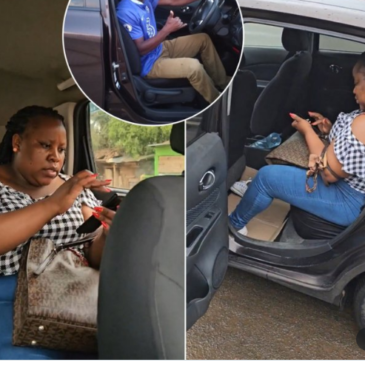
Why Do Some People Believe Women Disrespecting Uber Drivers “Go Scot-Free” While Drivers Face Consequences?
Disputes between ride-hailing drivers and passengers often spark intense public debate — especially when gender is involved. A common claim seen online is that when women disrespect Uber drivers, they face little consequence, but when drivers disrespect women, they are swiftly punished.
Is this perception accurate? Or is it shaped by broader social and institutional dynamics? Let’s explore the issue in a balanced and thoughtful way.
1. Safety Policies Are Designed Around Risk Prevention
Ride-hailing platforms operate under strict safety policies. Globally, companies like Uber emphasize passenger safety, particularly for women, because women statistically report higher levels of harassment in public transport systems.
As a result:
- Complaints from female passengers are often treated with urgency.
- Platforms may suspend drivers quickly during investigations.
- Authorities may prioritize cases involving alleged harassment.
These measures are designed to prevent harm — not to create favoritism. However, the speed of enforcement can create a perception imbalance.
2. Power Dynamics in Service Relationships
In ride-hailing, the driver is the service provider and the passenger is the customer. In most industries, service providers are held to a higher behavioral standard.
This means:
- Drivers are expected to remain professional even when provoked.
- Companies discipline drivers more visibly because they represent the brand.
- Passengers are often managed through app penalties (like low ratings or account restrictions), which may not be publicly visible.
When consequences for passengers are less public, it can appear as if they “go free,” even when platform-level action occurs quietly.
3. Social Sensitivity Around Women’s Safety
Globally, conversations about women’s safety have gained significant attention in recent years. Movements advocating against harassment have pushed institutions to respond more aggressively when women report mistreatment.
Because of this:
- Allegations against drivers can attract strong public reaction.
- Media coverage may amplify incidents involving female passengers.
- Companies often take preventive action to avoid reputational risk.
This heightened sensitivity can unintentionally create the perception that complaints from women are automatically believed — even though investigations still occur behind the scenes.
4. The Visibility Gap in Accountability
When a driver is suspended, it is often immediate and noticeable — they cannot log into the app. In some cases, viral videos make the consequences public.
When a passenger behaves poorly:
- The action taken may be a warning, rating downgrade, or account review.
- These outcomes are rarely publicized.
- Drivers may not always know what disciplinary steps were taken.
This lack of transparency contributes to the idea that passengers face no consequences.
5. Gender Narratives and Online Bias
Social media often amplifies emotionally charged narratives. In viral situations:
- If a woman appears disrespectful, some commenters frame it as unfair privilege.
- If a driver appears disrespectful, discussions may focus on professionalism and safety.
Online debates can quickly turn into gender-based arguments rather than focusing on individual accountability.
6. The Importance of Equal Standards
The truth is, disrespect — from anyone — should not be tolerated.
Healthy ride-hailing systems depend on:
- Professional conduct from drivers
- Respectful behavior from passengers
- Fair and transparent dispute resolution
Accountability should apply equally regardless of gender.
7. Moving Toward Balance
Instead of framing the issue as “women vs. drivers,” it may be more productive to focus on:
- Clear communication during disputes
- Transparent complaint procedures
- Stronger protections for both drivers and passengers
- Public awareness about mutual respect
Ride-hailing works best when both parties feel safe, heard, and respected.
Conclusion
The perception that women “go scot-free” while drivers are “brought to book” often stems from visibility gaps, safety policy priorities, and broader social conversations about gender and security.
However, fairness should never be gendered. Disrespect from anyone — passenger or driver — deserves appropriate action.
At the end of the day, mutual respect is not a gender issue — it is a human one.