
A Lady Who Gifted Senator Edwin Sifuna the Now-Viral “Mimi Ndio Sifuna” T-Shirt Is Facing Backlash Over Alleged Past Remarks About Late Raila Odinga.

📣 What Happened

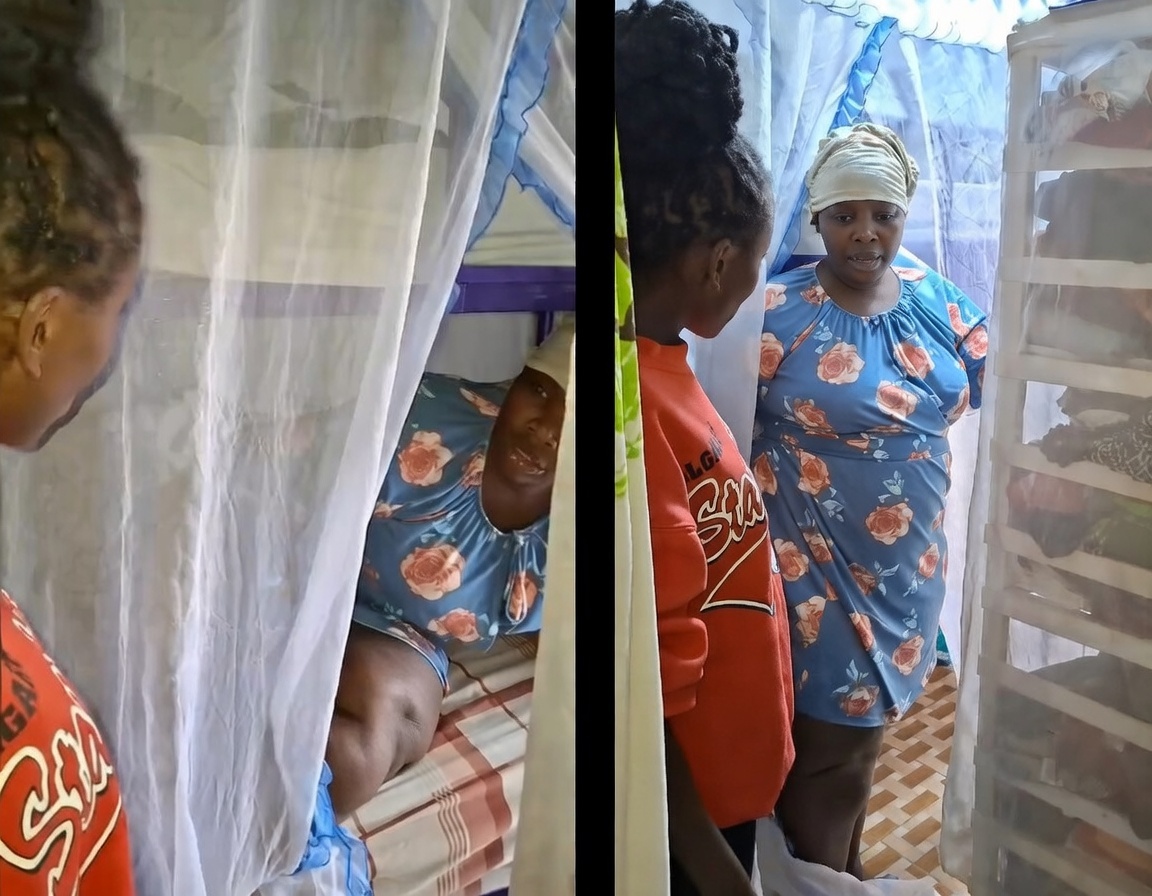
Recently, a clip and photos went viral online showing a woman presenting Senator Edwin Sifuna with a T-shirt bearing the slogan “Mimi Ndio Sifuna” — which means “I am Sifuna” in Swahili and has become a chant associated with support for him. The moment caught widespread attention on social media and was shared by several news pages, sparking reactions across Kenyan digital spaces.


👩‍🦰 Who Is the Woman?

Online posts identify her as Wambui Gikonyo (or a similar name, depending on the source). Images and clips show her smiling alongside Sifuna and handing over the T-shirt. This gesture was meant, in context, as a show of support for the senator amid ongoing tensions within his party, the Orange Democratic Movement (ODM).


😠 Why She’s Facing Backlash

The backlash she’s received revolves around alleged past remarks about the late Raila Odinga, Kenya’s former prime minister and a key political figure whose passing in October 2025 was widely mourned across the country. Following the viral video:

1. Social Media Claims

Various social media accounts and comments accuse the woman of previously celebrating Raila Odinga’s death or making flippant comments about it. These allegations began circulating shortly after the T-shirt video spread, with critics saying her past attitudes were disrespectful.

2. Polarised Reactions

Because Raila Odinga was an enormously influential political leader and public figure, anything perceived as insensitive about his death tends to provoke strong emotional responses online and offline. These reactions reflect deeply held views about his legacy and about how public figures — or their supporters — should behave.

However, it’s important to note that the specific allegations are circulating mainly through social media pages and user posts, and not all of them have independent verification from credible mainstream news outlets. Some of the posts make broad claims without documented evidence about what she said in the past.


🔍 Broader Context: Sifuna and ODM Politics

Senator Sifuna has been at the centre of political debate within ODM, especially after Raila Odinga’s death. The party has been navigating leadership and strategy tensions in the lead-up to upcoming elections, and gestures of public support — like the “Mimi Ndio Sifuna” slogan — have taken on added significance in internal debates about direction and loyalty.

In this charged atmosphere, symbolic moments — such as being gifted a slogan shirt — can be amplified, and any perceived past statements about the late party leader are often brought to light or scrutinised. That context helps explain why this particular social media moment triggered broader discussion and criticism.


🧠 What’s Clear (and What Isn’t)

Clear:
• The T-shirt moment went viral and generated public interest.
• Many online users reacted strongly, citing loyalty or respect for the late Raila Odinga.

Not Clear:
• Whether the older remarks attributed to the woman about Raila are genuine, mis-reported, or taken out of context — mainstream reporting hasn’t independently verified them.


🛑 Why This Matters

This situation shows how political symbolism and social media narratives can intersect in fast-moving ways — especially in politically sensitive moments after the death of a major leader. A simple act, like giving a T-shirt, can quickly become entangled with broader controversies and perceptions about loyalty, respect and political identity.

JUA KALI MAISHA MAGIC PLUS JUMAMOSI 28.02.2026

Upgrade Your Kenyan Kitchen in 2026: Affordable Electric Pressure Cookers, Induction Cookers, Blenders, Air Fryers & Water Dispensers for Modern Families

Kenyan kitchens are evolving fast in 2026. With busy schedules, rising electricity costs, and a growing love for healthier, quicker meals, families are ditching old gas stoves and charcoal jikos for smarter, electric kitchen appliances. Electric pressure cookers whip up beans and githeri in minutes, induction cookers offer precise heat with big energy savings, blenders make smoothies and soups effortless, air fryers deliver crispy favorites with little oil, and water dispensers ensure clean, cold drinking water anytime.

These gadgets save time, cut energy bills (especially compared to traditional methods), and handle Kenya’s common voltage fluctuations better when chosen wisely. Here’s a practical breakdown of electricity usage, current pricing in Kenyan shillings, durability in unstable power areas, plus buying and maintenance tips for families ready to upgrade.

Electric Pressure Cookers: Fast, Flavorful One-Pot Meals

These sealed appliances cook under pressure, slashing time for tough staples like beans, rice, nyama choma stew, or ugali accompaniments.

  • Electricity Consumption: 800–1200W (average 1000W). Short cooking cycles (20–40 minutes vs. 2–3 hours on stove) keep total usage low—often 0.2–0.5 kWh per meal.
  • Pricing in Kenya: KSh 4,000–15,000 for basic 6L models (Von, Ramtons, Mika, generic). Mid-range digital versions with multiple programs: KSh 8,000–15,000; premium Nutricook or similar: KSh 20,000+.
  • Durability in Unstable Voltage: Good overall—most handle 170–260V fluctuations. Built-in safety features (auto shut-off) protect internals. Use a voltage stabilizer (~KSh 2,000–5,000) in high-risk areas to prevent damage.
  • Best For: Families cooking beans/githeri weekly—huge time and fuel savings.

Induction Cookers: Precise, Energy-Smart Stovetop Alternative

Induction heats cookware directly via magnetic fields—no open flame, fast boiling, instant control.

  • Electricity Consumption: 1000–2200W per burner. Highly efficient (up to 90% energy transfer vs. 60–70% for electric coils/hotplates). Studies show induction often uses 30–50% less power than traditional electric stoves for similar tasks.
  • Pricing in Kenya: Single-burner portable: KSh 3,000–9,000 (Ramtons, Mika, Classix). Double-burner or built-in: KSh 10,000–25,000+.
  • Durability: Excellent—few moving parts, no exposed coils. Most tolerate voltage swings well, but pair with a stabilizer for longevity in rural or unstable-grid areas.
  • Best For: Quick frying, boiling, or stir-fries—safer and cooler kitchen environment.

Blenders: Smoothies, Soups, and Sauces in Seconds

Essential for daily fruit blends, tomato sauces, or baby food.

  • Electricity Consumption: 300–1200W (average 500–800W). Short bursts (30–90 seconds) mean minimal impact on bills.
  • Pricing in Kenya: Basic 1.5L plastic jar models: KSh 2,000–6,000 (Ramtons, Von, generic). Glass jar or higher-power (Nutribullet-style): KSh 7,000–15,000.
  • Durability: Motor and blades handle fluctuations decently; avoid cheap no-name units that overheat. Use surge protectors.
  • Best For: Morning smoothies or quick sauces—families love the versatility.

Air Fryers: Healthier “Fried” Favorites with Less Oil

Crispy chips, chicken, or mandazi with up to 80% less oil than deep-frying.

  • Electricity Consumption: 1200–1800W. Typical 15–30 minute cycles use 0.3–0.8 kWh—comparable to or less than oven baking.
  • Pricing in Kenya: 3.5–6L models: KSh 5,000–12,000 (Von, Ramtons, Mika, generic). Larger/digital: KSh 12,000–25,000.
  • Durability: Solid—fan and heating elements cope with minor surges. Stabilizer recommended in volatile areas.
  • Best For: Health-conscious families wanting guilt-free snacks.

Water Dispensers: Clean, Instant Hot/Cold Water

Bottom-loading or top-loading models with hot, normal, and cold taps.

  • Electricity Consumption: Low standby (heater ~400–500W when active); total daily use minimal unless constant hot water demand.
  • Pricing in Kenya: Basic top-load 3-tap: KSh 5,000–12,000. Bottom-load or with fridge: KSh 12,000–30,000 (Mika, Von, Ramtons).
  • Durability: Good—compressors and heaters tolerate fluctuations better than sensitive electronics. Use stabilizer for compressor models.
  • Best For: Families with kids needing safe drinking water anytime.

Buying & Maintenance Tips for Kenyan Families Upgrading Kitchens

  1. Match Your Needs & Budget — Start with one hero appliance (pressure cooker or induction for big impact). Prioritize voltage-tolerant models (wide 170–260V range) in unstable areas.
  2. Buy Smart — Shop Jumia, Hotpoint, Ramtons outlets, Carrefour, or trusted local shops. Read recent reviews for real Kenyan experiences (voltage handling, durability). Avoid street fakes—check warranty (1–2 years common).
  3. Protect Against Voltage Issues — Invest in a good surge protector/stabilizer (KSh 2,000–8,000) for all appliances—prevents fried circuits during spikes.
  4. Maintenance Made Easy — Clean removable parts (pressure cooker seals, air fryer baskets, blender jars) after each use. Descale dispensers monthly. Dust vents on all devices regularly. Unplug during long storms.
  5. Energy-Saving Habits — Use induction/air fryer for short cooks; match pot size to burner; run blender in short bursts; turn off dispensers when not needed.

These appliances modernize Kenyan kitchens—faster meals, less oil, cleaner water, and lower bills. Families upgrading report more time together, healthier eating, and real savings over charcoal or gas hassles.

Which kitchen gadget are you eyeing first—pressure cooker for quick beans or air fryer for crispy treats? Share your thoughts in the comments!

JUA KALI MAISHA MAGIC PLUS JUMAMOSI 28.02.2026

DAUGHTER CONFRONTS MOM AFTER FINDING HER WITH ANOTHER MAN

How Daughters Can Handle Discovering a Parent’s Infidelity in a Healthy Way

Discovering that a parent may be unfaithful can be emotionally overwhelming — especially for a daughter who looks up to her mother. Feelings of confusion, anger, betrayal, and sadness can arise quickly. However, how one responds to such a situation is important for personal well-being and family stability.

Here’s a thoughtful guide on how daughters can navigate such a difficult discovery in a mature and healthy way.


1. Pause Before Reacting

Emotional shock can lead to impulsive reactions. Before confronting anyone or sharing the information, it’s important to:

  • Take time to process your feelings
  • Ensure you fully understand what you saw or heard
  • Avoid making assumptions without clarity

Sometimes situations may not be what they initially appear to be. A calm approach prevents unnecessary damage.


2. Separate Feelings From Facts

It’s natural to feel disappointed or hurt. However, parents are human beings with complex lives and challenges that children may not fully understand.

Try to:

  • Avoid jumping to conclusions
  • Recognize that relationships between adults can be complicated
  • Keep your emotions from turning into public conflict

Handling the matter privately and respectfully is crucial.


3. Avoid Public Exposure

Sharing sensitive family matters on social media or with outsiders can cause long-term harm. Public exposure may:

  • Damage family reputation
  • Create deeper conflict
  • Lead to regret later

Family issues are best handled within trusted and appropriate circles.


4. Choose the Right Person to Talk To

If the situation feels too heavy to handle alone, consider speaking to:

  • A trusted family member
  • A counselor or therapist
  • A religious or community leader

Having emotional support can help you think clearly and respond wisely.


5. Think Carefully Before Confrontation

If you feel the need to address the situation, approach it with maturity and respect. Avoid accusations or shouting. Instead:

  • Ask calm, honest questions
  • Express how you feel without attacking
  • Focus on understanding rather than blaming

Remember, you are not responsible for fixing your parents’ relationship.


6. Protect Your Emotional Well-Being

Witnessing family conflict can be stressful. Prioritize your mental health by:

  • Practicing self-care
  • Spending time with supportive friends
  • Engaging in activities that reduce stress

It’s okay to feel hurt — but don’t let the situation consume you.


7. Understand Your Role

As a daughter, your role is not to become a mediator, judge, or investigator. Marital issues are between the spouses. While it may affect you emotionally, it is not your burden to carry alone.

Maintaining respect for both parents, even during conflict, can help preserve long-term family relationships.


Final Thoughts

Discovering a parent’s possible infidelity is deeply challenging. However, responding with patience, discretion, and emotional maturity can prevent further harm. Every family situation is unique, and thoughtful handling can protect both personal well-being and family stability.

Susan Nakhumicha exposes George Nambeya

Public Controversies and Challenges During Susan Nakhumicha’s Tenure

Susan Nakhumicha Wafula is a Kenyan public official who served as Cabinet Secretary for Health and later took up a diplomatic posting. Like many public figures in government, her time in office attracted both praise for reforms and public scrutiny over several high-profile issues. Understanding these aspects helps provide context into why her tenure was subject to criticism and debate.

1. Legal Challenge to a Major Health Policy

One of the most notable issues during her time as Health CS was the rollout of the Social Health Insurance Fund (SHIF). Shortly after the government began implementing the new health insurance scheme, the High Court suspended its rollout pending legal review. The suspension followed a petition by the Kenya Medical Practitioners, Pharmacists and Dentists Union (KMPDU), which argued that proper stakeholder engagement had not taken place before implementation.

This legal setback drew significant media and professional attention, as SHIF was one of the government’s flagship reforms aimed at universal health coverage.


2. Controversy Over a Viral Photo in a Clinical Setting

In late 2022, a photograph of Nakhumicha and other Ministry of Health officials in what appeared to be a surgical theatre without protective gear went viral online. Critics questioned the appropriateness of the visit to a clinical environment without standard safety attire. In response, she clarified that the setting was actually a simulation laboratory at the Kenya Medical Training College (KMTC) and that the “patient” in the image was a practice dummy used for training purposes. Nakhumicha also acknowledged public concern and described the criticism as justified.


3. Administrative Decisions at Health Agencies

Another point of public discussion involved swift changes she made related to governance at the Kenya Medical Supplies Authority (KEMSA). In March 2023, two recently appointed board members were removed just one week after their appointment, with no clear explanation provided in the official Gazette notice.

While detailed reasons were not publicly disclosed, the move sparked questions about board stability and decision-making processes at public institutions.


4. Jurists’ Concerns Over Personnel Transfers

In August 2023, the International Commission of Jurists (ICJ) Kenya publicly criticised Nakhumicha for ordering the transfer of a police officer — the Officer Commanding Station (OCS) in Matisi — claiming that such transfers were outside the mandate of the Ministry of Health. The ICJ’s statement highlighted concerns about the appropriate scope of ministry authority in public service matters.


5. Doctors’ Strike and Health Sector Frustrations

Towards the end of her tenure, Nakhumicha publicly acknowledged that unresolved labour issues in the health sector, particularly a prolonged doctors’ strike, were among the most difficult challenges she faced. According to reports, she described the impact of the strikes — which lasted weeks and affected service delivery — as a low point of her time in office.

The strikes reflected broader tensions in Kenya’s healthcare system, including workforce dissatisfaction and budgetary constraints, and they drew attention from both professionals and the public.


6. Departure From Cabinet and Subsequent Comments

In mid-2024, Nakhumicha left her cabinet post as part of a wider government reshuffle amid nationwide protests and public pressure for changes in leadership. During her subsequent vetting for a diplomatic role, she characterised the move as a political decision rather than a performance issue, indicating that conditions beyond her control influenced the change.


A Balanced View

Although public controversies were part of her tenure, Susan Nakhumicha also initiated reforms and led significant policy efforts in Kenya’s health sector. Public service — especially in complex sectors like healthcare — often involves navigating policy challenges, legal scrutiny, and diverse stakeholder expectations. Reporting on these events helps provide a full picture of the responsibilities and pressures faced by public officials.

As with any public figure, discussions over successes and criticisms contribute to broader national conversations about governance, accountability, and health sector reform.

THE ONLY LADY TO REFUSE KUPEA RUSSIAN GUY SIM 2

WATCH IT HERE

Staying Safe: Why Private Airbnb Meetups With Strangers Can Be Risky

The rise of short-term rentals across Kenya has made Airbnbs a popular option for vacations, celebrations, and casual hangouts. However, when it comes to meeting strangers in such private settings, caution is essential.

Here’s why it’s important for Kenyan ladies to think carefully before accepting such invitations.


1. Private Spaces Limit Escape Options

Unlike public venues, Airbnbs are controlled environments. If something feels uncomfortable, exiting the situation may not be as easy as leaving a restaurant or club.

Safety experts often recommend:

  • First meetings in public locations
  • Ensuring independent transport
  • Avoiding secluded areas with unfamiliar individuals

Being prepared reduces vulnerability.


2. Social Pressure Can Cloud Judgment

Luxury settings can sometimes be used to impress or influence someone’s decision-making. It’s important to recognize when social pressure is involved.

If someone insists on meeting only in a private setting, that could be a red flag. Healthy connections respect boundaries and comfort levels.


3. Protection Against Scams and Exploitation

Unfortunately, some individuals use short-term rentals for dishonest activities, including scams or exploitation.

Staying alert helps prevent:

  • Financial manipulation
  • Emotional exploitation
  • Unsafe situations

Trust should always be earned, not rushed.


4. Protecting Your Future

In today’s digital world, situations can be recorded or shared without consent. Even misunderstandings can damage reputations.

By avoiding risky environments:

  • You protect your privacy
  • You maintain control of your narrative
  • You safeguard your future opportunities

5. Prioritizing Self-Worth and Safety

Choosing safety does not mean being antisocial. It means valuing your life and well-being. Meeting new people can be exciting, but it should never come at the cost of security.

Smart practices include:

  • Bringing a friend along
  • Checking the location beforehand
  • Informing trusted contacts

Final Thoughts

Airbnb stays are convenient and modern, but meeting strangers in private rental spaces can carry unnecessary risks. Kenyan ladies should prioritize safety, personal boundaries, and informed choices above all else.

MARION NAIPEI ADVERTISES HER NEW BACKLESS DERA IN STYLE

Why Backless Dresses Are Trending Among Kenyan Women

Fashion trends evolve constantly, and in Kenya, backless dresses have become a noticeable style choice in recent years. From casual streetwear to formal events, more women are embracing this daring look. But what’s driving this trend? Let’s explore some of the cultural, social, and personal reasons behind the appeal.


1. Fashion as Self-Expression

For many women, clothing is more than just fabric — it’s a form of expression. Backless dresses offer a way to:

  • Show confidence
  • Celebrate body positivity
  • Stand out in a crowd

By choosing bold and stylish outfits, young women can communicate personality without saying a word.


2. Influence of Social Media and Global Trends

Social media platforms like Instagram, TikTok, and Pinterest play a major role in shaping what people wear. Trends from around the world quickly reach Kenyan audiences, inspiring local fashion choices.

In global streetwear and celebrity fashion, backless designs have been featured prominently, encouraging:

  • Fashion experimentation
  • Mixing modern and traditional looks
  • Creative styling ideas

Youth culture, driven by online visibility, tends to adopt such trends quickly.


3. Seasonal and Climate Appeal

Kenya’s warm climate makes breathable and lightweight clothing appealing. Backless styles can be cooler and more comfortable than heavier fabrics, especially during dry and hot seasons. Because they offer:

  • Better airflow
  • Comfortable movement
  • Stylish ventilation

many women choose them for both casual hangouts and social events.


4. Celebrating Confidence and Individuality

Fashion trends often reflect broader cultural shifts. As conversations around self-confidence and personal choice gain momentum, more women feel comfortable experimenting with their looks.

Backless dresses can be seen as a choice that:

  • Encourages self-confidence
  • Breaks traditional norms
  • Highlights individuality

This aligns with a larger global movement toward body acceptance and freedom of expression.


5. Adaptability for Different Occasions

One reason backless dresses have staying power is their versatility. They can be:

  • Styled modestly with shawls or wraps
  • Worn with accessories to suit different settings
  • Paired with skirts, pants, or layers

This adaptability makes them suitable for a range of events — from casual meetups to stylish evening outings.


6. The Influence of Local Designers and Celebrities

Kenyan fashion designers and influencers have also embraced backless styles in their creative work. When well-known personalities wear or promote a look, it often encourages others to try it.

Local fashion showcases, influencer street style posts, and celebrity appearances all contribute to mainstreaming backless designs.


Final Thoughts

The popularity of backless dresses among Kenyan women is not simply a passing fad. It reflects broader trends in fashion, self-expression, and cultural confidence. Backless designs allow women to feel stylish, comfortable, and uniquely themselves.

As fashion continues to evolve, trends like these illustrate how global influences and personal choice come together — creating new expressions of style that resonate locally.

In the end, style is personal, and what matters most is that women feel confident and comfortable in what they wear.

JUA KALI MAISHA MAGIC PLUS IJUMAA 27.02.2026

Why Refurbished Smartphones, Laptops, and Accessories Are Surging in Popularity in Kenya 2026: Affordable Quality Without Breaking the Bank

In Kenya today, getting a reliable smartphone or laptop doesn’t always mean buying brand new at full price. The refurbished electronics market—devices professionally inspected, repaired if needed, cleaned, and restored to near-new condition—has exploded in popularity, especially among students, young professionals, small business owners, and budget-conscious families across Nairobi, Mombasa, Kisumu, and rural areas.

By 2026, refurbished and used phones account for a massive share of sales (with estimates around 60% of the smartphone market in recent years), driven by skyrocketing new-device prices, economic pressures, and growing trust in certified refurbishers. Platforms like Jumia, Badili, Phone Place Kenya, and specialized shops offer refurbished iPhones, Samsung Galaxies, HP/Dell laptops, and accessories at 30–70% less than new equivalents—making premium features accessible without debt or sacrifice.

Why Refurbished Electronics Are Winning Hearts in Kenya

Several factors fuel this boom:

  • Affordability in a High-Cost Market — New flagship smartphones (e.g., iPhone 16 or Galaxy S26 series) easily exceed KSh 100,000–200,000+, while mid-range new phones start at KSh 20,000–40,000. Refurbished versions of the same models often cost KSh 30,000–80,000 for phones and KSh 15,000–50,000 for solid laptops, opening doors for students needing reliable devices for online classes or young hustlers launching side gigs.
  • Access to Premium Brands — Many Kenyans dream of owning an iPhone, high-spec Samsung, or business-grade Dell/HP laptop. Refurbished channels let you get these at mid-range prices—think a refurbished iPhone 13/14 or Galaxy S22 for the cost of a new budget Android.
  • Eco-Friendly Appeal — Reducing e-waste resonates with younger buyers aware of sustainability—refurbished devices extend product lifecycles and cut demand for new manufacturing.
  • Improved Quality Assurance — Reputable sellers now offer rigorous testing (32+ checks in some cases), original or high-quality replacement parts, and warranties, reducing the stigma of “second-hand” risks.

Pricing Differences: Real Savings You Can Expect

Refurbished prices vary by condition (Grade A/B = near-new, Grade C = visible wear but functional), model age, and seller:

  • Smartphones
  • Refurbished iPhone 13/14 (128GB): KSh 30,000–55,000 (vs. new KSh 80,000+)
  • Samsung Galaxy S22/S23: KSh 35,000–70,000 (vs. new KSh 90,000+)
  • Mid-range (Redmi Note, Infinix): KSh 10,000–25,000 refurbished
  • Laptops
  • Refurbished HP/Dell business models (i5/i7, 8–16GB RAM, SSD): KSh 18,000–45,000 (vs. new KSh 50,000–100,000+)
  • Student-friendly Lenovo/HP: KSh 15,000–35,000 refurbished
  • Accessories (chargers, earbuds, cases): Often 40–60% cheaper refurbished or certified pre-owned.

Savings typically range 40–70% off new retail, with faster depreciation on older flagships making them incredible value.

Warranty Considerations: What to Expect

Warranties on refurbished devices are shorter than new ones but a huge trust signal:

  • Reputable sellers offer 3–12 months (commonly 6 months) covering defects/hardware failure.
  • Some provide 1-year warranties on premium refurbished units.
  • Avoid “as-is” sales with zero warranty—high risk of hidden issues.
  • Check if warranty covers battery health, screen, charging port—key weak points.

Risks of Buying Refurbished—and How to Minimize Them

While the market has matured, risks remain—especially from unverified sellers:

  • Hidden defects (battery degradation, water damage history, aftermarket parts that fail quickly).
  • Counterfeits sold as “refurbished” originals (fake iPhones with cloned IMEI or poor screens).
  • Short or no warranty, leaving you with repair costs.
  • Overhyped “Grade A” units with undisclosed cosmetic wear or performance issues.

How to Verify Authenticity and Choose Reliable Options

Smart buyers follow these steps to shop safely:

  1. Buy from Reputable Sources — Trusted platforms and shops: Jumia (verified refurb sellers), Badili, Phone Place Kenya, Laptop Clinic, Mubarak Tech, or Veracity World. Avoid random street vendors or unverified Facebook/WhatsApp deals.
  2. Demand Transparency — Ask for: Full specs, IMEI check (dial *#06# and verify on sites like imeipro.info), battery health screenshot (Settings > Battery), proof of refurbishment (receipts, test reports), and serial number verification on brand sites (e.g., Apple checkcoverage.apple.com).
  3. Inspect Thoroughly — Check: Screen for dead pixels/burn-in, ports/charging, speakers/camera quality, buttons feel, no unusual heat/noise. Run diagnostics (e.g., Phone Check apps for Android).
  4. Prioritize Warranty & Returns — Choose sellers offering at least 3–6 months warranty and clear return policy (7–14 days testing period).
  5. Read Recent Reviews — Focus on Kenyan buyer feedback (2025–2026) on Jumia or forums—look for consistent praise on battery life and performance.
  6. Start Small — Test with a lower-cost item (e.g., refurbished mid-range phone) before splurging on a flagship.

Refurbished electronics let millions of Kenyans access powerful tools for education, work, and connection without financial strain. Done right, you get near-new performance at half the price—often with the same daily reliability as new devices.

Planning to go refurbished for your next phone or laptop? What’s your biggest worry—battery life, warranty, or spotting fakes? Share your tips or experiences in the comments!

JUA KALI MAISHA MAGIC PLUS IJUMAA 27.02.2026

AURORA’S QUEST MONDAY 2ND MARCH 2026 FULL EPISODE PART 1 AND PART 2 COMBINED

Essential Electronics for Kenyan Campus Life in 2026: Budget Laptops, Tablets, Power Banks, Headphones & Wi-Fi Routers Every Student Needs

Campus life in Kenya is a mix of early lectures, late-night group projects, endless scrolling through lecture notes on WhatsApp, and trying to stay connected while power cuts hit or hostel Wi-Fi decides to take a nap. Whether you’re at UoN, Kenyatta University, JKUAT, Moi University, or any other campus, having the right electronics makes the difference between surviving and actually thriving.

We’re talking laptops for assignments and online classes, tablets for portability, power banks to keep you charged during blackouts, headphones for focused study sessions (or drowning out noisy roommates), and Wi-Fi routers to turn spotty hostel internet into something usable. Here’s a realistic, budget-conscious guide with current Kenyan price ranges (as of early 2026 from Jumia, PhonePlace Kenya, local shops, and student favorites) and tips tailored to shared hostel life.

1. Laptops: Your All-in-One Study Companion

A decent laptop handles notes, research, Zoom lectures, coding (if you’re in tech), and late-night Netflix when the pressure gets too much.

  • Budget Range: KSh 25,000–70,000 for solid student options (many lean toward refurbished or entry-level new models).
  • Under KSh 40,000: Refurbished Dell Latitude/HP EliteBook (i5, 8GB RAM, 256GB SSD) — reliable for basic tasks.
  • KSh 40,000–70,000: New Lenovo IdeaPad 3, HP 15s, or Acer Aspire (Ryzen 5/i5, 8–16GB RAM, SSD) — smooth multitasking and longer battery.
  • Avoid sub-KSh 20,000 unless it’s purely for light browsing—these often struggle with multiple tabs or Zoom.

Hostel Tip: Use a sturdy sleeve or backpack compartment—hostel floors and shared desks are rough on devices. Lock your room or use a laptop cable lock (KSh 1,000–2,000) to deter opportunistic grabs.

2. Tablets: Lightweight Note-Taking & Reading on the Go

Perfect for carrying to lectures, annotating PDFs, or reading e-books without lugging a laptop everywhere.

  • Budget Range: KSh 15,000–40,000.
  • KSh 15,000–25,000: Basic Android tablets (Lenovo Tab M10/M11, Infinix Xpad, or generic 10-inch models) — good for reading, YouTube, and light note apps.
  • KSh 25,000–40,000: Mid-range with stylus support (Lenovo Tab K11 or similar) — ideal for handwritten notes with apps like OneNote or Notability.

Hostel Tip: Tablets are easy to misplace in shared rooms—enable Find My Device and keep a bright case so it stands out. Charge overnight on your bed (not under pillows) to avoid fire risks.

3. Power Banks: Your Lifeline During Blackouts & Long Days

Campus power can vanish at the worst moments—mid-lecture, during assignment crunch, or right before a deadline submission.

  • Budget Range: KSh 2,000–8,000 for reliable student picks.
  • KSh 2,000–4,000: 10,000–20,000mAh (Oraimo, Anker Zolo, generic fast-charge) — enough for 2–3 full phone charges.
  • KSh 5,000–8,000: 20,000–30,000mAh with PD (power delivery) — can partially charge laptops or tablets.

Hostel Tip: Label yours clearly (engraving or permanent marker)—power banks look alike and disappear fast in shared spaces. Avoid ultra-cheap no-name brands; they overheat or die quickly.

4. Headphones/Earbuds: Focus Mode in Noisy Hostels

Block out roommates’ music, corridor noise, or group chatter during study time.

  • Budget Range: KSh 2,000–10,000.
  • KSh 2,000–5,000: Wired earbuds or basic wireless (Anker Soundcore, Oraimo, generic TWS) — great sound for the price.
  • KSh 5,000–10,000: Better wireless earbuds (JBL Tune, Anker R50i, Nothing CMF Buds) — longer battery, decent ANC or call quality.

Hostel Tip: Keep them in a small case or pouch—hostel beds are magnets for lost items. Clean ear tips weekly to avoid ear infections from shared germs.

5. Wi-Fi Routers: Turn Slow Hostel Internet into Usable Speed

Many hostels provide spotty shared Wi-Fi—adding your own router creates a personal hotspot or extends coverage.

  • Budget Range: KSh 2,000–10,000.
  • KSh 2,000–5,000: Basic TP-Link TL-WR840N or Tenda N300 — good for small rooms or sharing with roommates.
  • KSh 5,000–10,000: Dual-band Wi-Fi 5/6 (TP-Link Archer C6 or similar) — better speed and range for multiple devices.

Hostel Tip: Check hostel rules—some ban personal routers. Use it in repeater/extender mode if direct connection is restricted. Secure with a strong password to prevent bandwidth hogs.

Quick Budget Starter Kit for Campus (Total KSh 50,000–120,000)

  • Laptop (KSh 35,000–60,000)
  • Tablet or second screen alternative (KSh 18,000–30,000)
  • Power bank 20,000mAh (KSh 4,000–7,000)
  • Wireless earbuds (KSh 3,000–8,000)
  • Portable router (KSh 3,000–7,000)

Start with the laptop and power bank if money’s tight—add others as HELB or pocket money allows.

Practical Maintenance Tips for Shared Hostel Life

  • Dust is your enemy—clean vents and ports monthly with compressed air (KSh 500 can).
  • Use surge protectors (KSh 1,000–3,000) everywhere—voltage fluctuations fry chargers and internals.
  • Label everything—chargers, cables, power banks vanish fast in shared rooms.
  • Charge devices safely—avoid overnight charging under pillows; use power strips with switches.
  • Back up notes to Google Drive or external drive—hostel theft or damage happens.
  • Shop smart—Jumia, PhonePlace Kenya, or campus electronics stalls; read recent reviews for real Kenyan user feedback.

Campus life throws enough curveballs—don’t let dead batteries, slow internet, or noisy roommates add to the stress. Grab these essentials, keep them protected, and focus on what matters: lectures, friends, and building your future.

What’s already in your campus tech kit—got a favorite power bank or router hack that saved you? Drop your tips in the comments!

AURORA’S QUEST MONDAY 2ND MARCH 2026 FULL EPISODE PART 1 AND PART 2 COMBINED

AURORA’S QUEST SATURDAY 28TH FEBRUARY 2026 FULL EPISODE PART 1 AND PART 2 COMBINED

Budget-Friendly Home Security Electronics in Kenya 2026: Affordable CCTV Cameras, Motion Sensors, Alarm Systems & Smart Locks to Protect Your Home

In Kenya’s fast-growing urban and suburban neighborhoods—from the estates of Nairobi and Mombasa to quieter towns like Nakuru and Eldoret—home security has become a top priority for many families. Break-ins, theft, and safety concerns drive the demand for reliable yet budget-friendly security electronics like CCTV cameras, motion sensors, alarm systems, and smart locks. The good news? In 2026, entry-level options deliver solid protection without draining your wallet.

These devices offer real deterrence, remote monitoring via smartphone, and peace of mind whether you’re at work, traveling, or sleeping. Many are easy to install or come with affordable professional help, making strong security accessible to average Kenyan households.

CCTV Cameras: Affordable Eyes on Your Property

CCTV remains the most popular starting point for home security in Kenya.

  • Budget-Friendly Options — Basic 720p/1080p wired or Wi-Fi cameras (dome, bullet, or bulb-style) cost KSh 2,000–8,000 per unit. A complete 4-camera kit with DVR/NVR (including hard drive) typically ranges from KSh 20,000–50,000, with many kits available under KSh 30,000 on platforms like Jumia.
  • Storage Options — Most budget systems use local storage on a DVR/NVR with a 500GB–2TB hard drive (add KSh 5,000–15,000). This means no monthly fees—footage stays on-site. Some Wi-Fi models offer optional cloud storage (KSh 500–2,000/month) for remote backup.
  • Internet Requirements — Wired analog/HD systems record locally without internet. Wi-Fi/IP cameras need stable Wi-Fi (at least 5–10 Mbps upload speed) for live viewing, motion alerts, and remote access via apps.

Motion Sensors: Instant Alerts for Movement

Motion sensors detect intruders and trigger lights, sirens, or camera recordings.

  • Affordable Choices — Basic PIR (passive infrared) sensors cost KSh 1,000–3,000 each. Wireless versions that pair with smart alarms or cameras run KSh 2,000–5,000.
  • Installation — Mostly DIY—mount on walls or ceilings near entry points. No complex wiring needed for wireless models.

Alarm Systems: Loud Warnings and Smart Notifications

A good alarm combines sensors, a loud siren, and alerts to your phone.

  • Budget Picks — Basic wireless GSM alarms with door/window sensors, motion detectors, and siren cost KSh 9,000–25,000. Full kits with app control and remote keyfobs range KSh 15,000–40,000.
  • Internet — GSM models use a SIM card for SMS alerts (no Wi-Fi required). Smart versions add app notifications over Wi-Fi for remote arm/disarm.

Smart Locks: Modern, Keyless Door Protection

Replace traditional locks with fingerprint, PIN, app, or RFID access.

  • Affordable Models — Basic Wi-Fi smart locks start at KSh 10,000–25,000. Higher-end fingerprint or face-recognition options go up to KSh 25,000–50,000.
  • Internet — Most require Wi-Fi for remote locking/unlocking, guest codes, and activity logs. Offline models work locally but lack remote features.

Installation Cost Estimates in Kenya

  • DIY-Friendly — Motion sensors, basic alarms, and many smart locks: KSh 0–5,000 (just tools and minor setup).
  • CCTV Systems — Small home (4 cameras): Professional installation KSh 10,000–30,000 (includes cabling, mounting, and app setup). Larger setups (8+ cameras) KSh 20,000–60,000.
  • Total Starter Package (4-camera CCTV + motion sensors + basic alarm + smart lock): KSh 50,000–120,000 including installation—very achievable for many households.

Tips for Choosing Reliable Products and Spotting Counterfeits

Local markets like Luthuli Avenue in Nairobi or street vendors often sell tempting low prices—but counterfeits are common, especially for CCTV cameras and smart locks. Fakes fail quickly, lack warranty, or even pose safety risks.

  • Shop Smart — Buy from trusted sources: Jumia (verified sellers), Hotpoint, Glantix, or authorized dealers like Protech Line, Alltech Kenya, or Secom World. Avoid suspiciously cheap street deals.
  • Spot Fakes — Genuine Hikvision/Dahua cameras have clear logos, holograms, serial numbers, and proper packaging. Fakes often show typos, poor printing, or dummy IR LEDs (test night vision—real ones glow faintly). For smart locks, check for real fingerprint scanners and app compatibility.
  • Demand Warranty — Legitimate products offer 1–2 years warranty with local service centers. Ask for proof and verify the seller can handle claims.
  • Read Reviews — Check recent Kenyan buyer feedback on Jumia or forums. Ask to see live demos in-store for CCTV.
  • Price Reality Check — If a “branded” 1080p camera is under KSh 3,000 or a smart lock under KSh 8,000, it’s likely fake.

Start small—perhaps a couple of cameras and a door sensor—and expand as your budget allows. Many Kenyan families say the investment pays off quickly through reduced worry and faster police response when needed.

Securing your home doesn’t have to cost a fortune. With the right choices, you can enjoy real protection and sleep easier knowing your loved ones and property are safer.

What’s your top security priority right now—keeping an eye on the gate, getting alerts when someone approaches, or keyless entry? Which device are you thinking of adding first? Share in the comments!

AURORA’S QUEST SATURDAY 28TH FEBRUARY 2026 FULL EPISODE PART 1 AND PART 2 COMBINED

AYANA CITIZEN TV 2ND MARCH 2026 MONDAY PART 1 AND PART 2 FULL EPISODE COMBINED

In Kenya’s dynamic business landscape of 2026, frequent power outages remain a persistent challenge for small enterprises, from bustling retail shops in Nairobi’s CBD and Eastleigh to salons, cyber cafés, small manufacturing units, and restaurants in Kisumu, Mombasa, and rural towns. Kenya Power (KPLC) schedules routine maintenance and upgrades often lead to planned interruptions, while unplanned outages—triggered by overloads, weather, or infrastructure strain—disrupt operations unpredictably. These blackouts cause lost sales, spoiled inventory, halted production, corrupted data, and frustrated customers, with estimates suggesting they can shrink economic output significantly for affected sectors.

For many small business owners, the cost of downtime quickly outweighs the price of reliable backup power. That’s where UPS systems, inverters, backup batteries, and standby generators become essential tools—not luxuries. These electronics provide seamless continuity, protect equipment, and safeguard revenue. Here’s a practical comparison to help Kenyan entrepreneurs choose the right solution.

1. UPS Systems (Uninterruptible Power Supply)

UPS units offer instant, short-term backup (seconds to hours) during outages, bridging the gap until power returns or a longer solution kicks in. They also provide surge protection and voltage stabilization—critical in Kenya’s fluctuating grid.

  • Ideal Use Cases: Computers, POS machines, routers, servers, small offices, cyber cafés, retail shops with electronic tills, or any business reliant on uninterrupted digital operations.
  • Reliability: Excellent for brief outages (most common in urban areas); transfer time near-zero (milliseconds); clean power output prevents equipment damage.
  • Maintenance Requirements: Low—replace batteries every 2–4 years; keep vents dust-free; test monthly.
  • Cost Estimates (2026 Kenya market):
  • 650–1000VA (basic for 1–2 computers): KSh 8,000–20,000 (e.g., APC Back-UPS, Mecer, Mercury).
  • 1500–3000VA (small office/shop): KSh 25,000–60,000.
  • Line-interactive models with AVR: Add 20–50% premium for better voltage handling.

2. Inverters + Backup Batteries

Inverters convert stored DC battery power to AC, paired with deep-cycle batteries for longer runtime (hours to days). Hybrid models charge from grid/solar.

  • Ideal Use Cases: Medium-sized businesses like salons (hair dryers, lights), small supermarkets (fridges/freezers), cyber cafés with multiple PCs, or shops needing extended backup without fuel noise/fumes.
  • Reliability: High for planned or frequent outages; pure sine wave models protect sensitive electronics (inverters vs. modified sine wave cheaper but riskier for motors/electronics).
  • Maintenance Requirements: Moderate—check battery water levels (if flooded), clean terminals, replace batteries every 3–6 years; inverters need dust-free environment.
  • Cost Estimates:
  • Basic 1–2kVA inverter + 2×100Ah batteries: KSh 50,000–120,000.
  • Hybrid solar-ready (e.g., Luminous, Growatt): KSh 80,000–250,000 (batteries extra).
  • Lithium-ion batteries (longer life): Add KSh 100,000–300,000 but last 8–12+ years.

3. Standby Generators

Generators provide unlimited runtime (with fuel) and high capacity for heavy loads.

  • Ideal Use Cases: Larger enterprises, restaurants (fridges, freezers, ovens), small factories, clinics, or any business where extended outages cause major losses (e.g., perishable goods or production lines).
  • Reliability: Excellent for long outages; auto-start models switch on within seconds; diesel/petrol options available.
  • Maintenance Requirements: Higher—regular oil/filter changes, fuel storage, weekly test runs; noisy and requires ventilation/exhaust.
  • Cost Estimates:
  • 5–10kVA silent diesel (common for small–medium businesses): KSh 150,000–400,000.
  • Larger 15–50kVA: KSh 500,000–2M+.

Quick Comparison Table

SolutionRuntimeReliability (Outage Type)MaintenanceApprox. Cost (Small Business)Best For Kenyan SMEs
UPSMinutes–hoursInstant bridge/short outagesLowKSh 10,000–60,000Digital shops, offices, POS
Inverter + BatteriesHours–daysMedium–long outagesModerateKSh 50,000–250,000Salons, shops, cyber cafés
Standby GeneratorUnlimited (fuel)Long/prolonged outagesHighKSh 150,000–500,000+Restaurants, clinics, production

How Frequent Outages Hit Small Enterprises—and Practical Solutions

Kenyan small businesses lose revenue during every outage—estimated impacts include spoiled stock (food vendors), missed digital transactions (M-Pesa agents, online sellers), halted services (salons, barbers), and lost productivity (cyber cafés). In urban areas, short but frequent cuts disrupt daily flow; in rural/peri-urban zones, longer rural grid instability compounds the pain.

Tailored Solutions for the Kenyan Market:

  • Micro businesses (salons, kiosks, small shops): Start with a 1000–1500VA UPS (KSh 15,000–30,000) for lights, clippers, phone charging, and POS—quick ROI via uninterrupted service.
  • Medium enterprises (cyber cafés, supermarkets, restaurants): Hybrid inverter + batteries (KSh 100,000–200,000) for 4–12 hours backup—pair with solar panels where possible for free daytime charging.
  • High-load businesses (clinics, small factories): Standby diesel generator (5–10kVA) with auto-transfer switch—essential for critical loads; budget fuel (~KSh 5,000–15,000/month heavy use).
  • Hybrid Approach: Many savvy owners combine UPS (instant protection) + inverter (extended runtime) + generator (last resort)—total investment KSh 200,000–500,000 pays back fast through avoided losses.
  • Tips: Buy from trusted Nairobi suppliers (Digital Store, Glantix, Talinda Express) or Jumia verified sellers; get professional installation; use surge protectors; maintain batteries properly; consider PAYG solar-hybrid options for gradual upgrades.

Investing in reliable backup power isn’t optional—it’s smart business in Kenya. The right choice keeps doors open, customers happy, and profits flowing even when the grid fails.

What’s your biggest power headache as a business owner—short urban cuts or longer rural blackouts? Which backup solution are you considering? Share in the comments!

AYANA CITIZEN TV 2ND MARCH 2026 MONDAY PART 1 AND PART 2 FULL EPISODE COMBINED